Rare exposé examines secretive world of pro-Ukraine Russian intelligence operatives
November 7, 2026
by intelNews
 LAST MONTH, A BBC World Service documentary provided a rare account of Russian citizens working for Ukrainian intelligence inside Russia. The documentary focused on two unnamed Russian men who claimed to be secretly operating for the Ukrainian Main Directorate of Intelligence (GUR) and to have successfully helped carry out kinetic operations against Russian military assets and personnel.
The BBC premiered the documentary, “Shadowmen: Russians Working With Ukraine” on 19 October. It was produced by veteran Polish journalist Marcin Mamon, who participated during the Cold War in opposition activities against Poland’s pro-Soviet communist government. Mamon claimed that the BBC independently confirmed both Russian men operated on behalf of the GUR, but added it was impossible to “know the full picture”.
Mamon also noted that both the GUR and the two Russian operatives were cautious about sharing details of their activities inside Russia, which made their claims impossible to verify. As a matter of policy, Ukraine never officially claims responsibility for targeted attacks. However, Ukrainian officials have spoken in the past about Ukraine’s strategy of carrying out coordinated drone strikes inside Russia and have acknowledged Kyiv’s use of clandestine agents on Russian soil.
‘IVAN’ AND ‘FOMA’
Those interviewed in the BBC documentary, using the pseudonyms ‘Ivan’ and ‘Foma’, claimed to have had roles in various operations targeting Russian military assets and personnel, which were carried out in coordination with the GUR. The operatives claimed to oppose both Russia’s invasion of Ukraine and the government of President Vladimir Putin. They maintained throughout the documentary that Putin’s political future depended on the outcome of the war, with Ivan adding “At the moment […] I think [Putin’s] regime might fall if they lose the war […]. Through our actions […] we are trying to speed this up”.
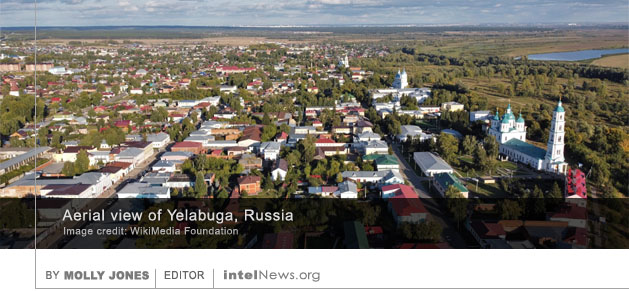
Mamon said he established and maintained contact over a period of two years with Ivan—a self-proclaimed Russian patriot and former member of the domestic political opposition to Putin’s government. Ivan allegedly operates inside Russia, where he claims to have surveilled Russian military sites and identified locations to conceal drone components in preparation for potential attacks on Russian assets. Ivan provided several videos to Mamon, including one of him appearing to hide explosives near a Russian military airfield. According to the other operative—alias Foma—who claimed to run a network of undercover operatives inside Russia, Ivan was involved in a June 2025 strike on Russia’s military drone plant in Yelabuga (pictured).
Foma, a Russian living in exile in Poland, said his network of volunteers inside Russia had surveilled the movements of senior military officers that the GUR was considering targeting. Foma contended he was formerly a part of the Russian elite and claimed to have a unique set of contacts and a steady flow of insider information from inside Russia. The documentary also identified Russian journalist and human rights activist Tatiana Kosinova, and anthropologist Denis Sokolov as working alongside Foma in Warsaw.
Foma said his team independently vetted GUR-proposed targets, many of whom were Russian military officials who were known to have engaged in crimes of war. He denied having had any direct involvement in the attacks, but confirmed his network had passed intelligence concerning Russian military personnel on to Ukraine. For instance, he affirmed his network tracked and provided intelligence on Lieutenant-General Fanil Sarvarov, a senior member of the Russian Armed Forces General Staff’s Operational Training Directorate, who was killed by a car bomb in Moscow in December 2025.
NETWORKS OF OPERATIVES
There is no official estimate of how many Russians carry out this kind of work for Ukraine. Foma estimated between 300-500—a figure that cannot be independently verified, partly because of the secrecy and decentralized nature of these networks. Ivan stated his network had no clear structure and claimed he had never met or known the identity of his collaborators. Foma applied the same rule to his operatives, constantly warning them against gathering in groups or in general online chat rooms, which could risk the whole network being “quickly detained or destroyed”.
Ivan stressed the lack of suitable recruits that remain inside Russia, given that “most of the ideological people have either left the country or are already behind bars”. The BBC report outlined that many Russian kinetic operatives with the capacity to operate on Russian were either after monetary gain or unwitting—such as truck drivers unaware that their cargoes had been compromised. Ivan distinguished himself from the majority, claiming ideology as his main driver. However, the BBC report raised questions surrounding his loyalty to Ukraine; the BBC noted it was a surprise that Ivan could leave and re-enter Russia when meeting with Western journalists in Georgia. Ivan’s Ukrainian handler admitted he could not rule out that Ivan also worked for the Russians. The BBC suggested such a possibility seemed less likely, given that Ivan had warned of a major attack on strategic bombers more than a year prior to it happening.
THE BIG PICTURE
Ukraine has maintained a general policy of never officially claiming responsibility for targeted attacks—though Ukrainian officials have occasionally disclosed elements of a broader strategy of coordinated drone strikes and involvement of clandestine operatives inside Russia. On June 1, 2025, the Security Service of Ukraine (SBU) conducted Operation SPIDERWEB, which allegedly managed to smuggle 117 first-person view (FPV) drones into Russia in wooden truck cabins and struck bombers at several Russian airbases. Although this claim has not been independently verified, Ukraine claimed 41 aircraft were hit.
Operation SPIDERWEB highlighted Ukraine’s evolving asymmetric warfare capabilities, or what the Council of Foreign Relations has described as “the era of precise mass in war”, with the coordination of relatively low-cost technologies generating disproportionate military effects. This, combined with the use of covert agents, like Foma and Ivan, illustrates the likelihood that human intelligence and clandestine networks complement Ukraine’s expanding military capabilities in its ongoing conflict with Russia.
► Author: Molly Jones | Date: 7 November 2026 | Permalink










Rare exposé examines secretive world of pro-Ukraine Russian intelligence operatives
November 7, 2026 by intelNews Leave a comment
The BBC premiered the documentary, “Shadowmen: Russians Working With Ukraine” on 19 October. It was produced by veteran Polish journalist Marcin Mamon, who participated during the Cold War in opposition activities against Poland’s pro-Soviet communist government. Mamon claimed that the BBC independently confirmed both Russian men operated on behalf of the GUR, but added it was impossible to “know the full picture”.
Mamon also noted that both the GUR and the two Russian operatives were cautious about sharing details of their activities inside Russia, which made their claims impossible to verify. As a matter of policy, Ukraine never officially claims responsibility for targeted attacks. However, Ukrainian officials have spoken in the past about Ukraine’s strategy of carrying out coordinated drone strikes inside Russia and have acknowledged Kyiv’s use of clandestine agents on Russian soil.
‘IVAN’ AND ‘FOMA’
Those interviewed in the BBC documentary, using the pseudonyms ‘Ivan’ and ‘Foma’, claimed to have had roles in various operations targeting Russian military assets and personnel, which were carried out in coordination with the GUR. The operatives claimed to oppose both Russia’s invasion of Ukraine and the government of President Vladimir Putin. They maintained throughout the documentary that Putin’s political future depended on the outcome of the war, with Ivan adding “At the moment […] I think [Putin’s] regime might fall if they lose the war […]. Through our actions […] we are trying to speed this up”.
Mamon said he established and maintained contact over a period of two years with Ivan—a self-proclaimed Russian patriot and former member of the domestic political opposition to Putin’s government. Ivan allegedly operates inside Russia, where he claims to have surveilled Russian military sites and identified locations to conceal drone components in preparation for potential attacks on Russian assets. Ivan provided several videos to Mamon, including one of him appearing to hide explosives near a Russian military airfield. According to the other operative—alias Foma—who claimed to run a network of undercover operatives inside Russia, Ivan was involved in a June 2025 strike on Russia’s military drone plant in Yelabuga (pictured).
Foma, a Russian living in exile in Poland, said his network of volunteers inside Russia had surveilled the movements of senior military officers that the GUR was considering targeting. Foma contended he was formerly a part of the Russian elite and claimed to have a unique set of contacts and a steady flow of insider information from inside Russia. The documentary also identified Russian journalist and human rights activist Tatiana Kosinova, and anthropologist Denis Sokolov as working alongside Foma in Warsaw.
Foma said his team independently vetted GUR-proposed targets, many of whom were Russian military officials who were known to have engaged in crimes of war. He denied having had any direct involvement in the attacks, but confirmed his network had passed intelligence concerning Russian military personnel on to Ukraine. For instance, he affirmed his network tracked and provided intelligence on Lieutenant-General Fanil Sarvarov, a senior member of the Russian Armed Forces General Staff’s Operational Training Directorate, who was killed by a car bomb in Moscow in December 2025.
NETWORKS OF OPERATIVES
There is no official estimate of how many Russians carry out this kind of work for Ukraine. Foma estimated between 300-500—a figure that cannot be independently verified, partly because of the secrecy and decentralized nature of these networks. Ivan stated his network had no clear structure and claimed he had never met or known the identity of his collaborators. Foma applied the same rule to his operatives, constantly warning them against gathering in groups or in general online chat rooms, which could risk the whole network being “quickly detained or destroyed”.
Ivan stressed the lack of suitable recruits that remain inside Russia, given that “most of the ideological people have either left the country or are already behind bars”. The BBC report outlined that many Russian kinetic operatives with the capacity to operate on Russian were either after monetary gain or unwitting—such as truck drivers unaware that their cargoes had been compromised. Ivan distinguished himself from the majority, claiming ideology as his main driver. However, the BBC report raised questions surrounding his loyalty to Ukraine; the BBC noted it was a surprise that Ivan could leave and re-enter Russia when meeting with Western journalists in Georgia. Ivan’s Ukrainian handler admitted he could not rule out that Ivan also worked for the Russians. The BBC suggested such a possibility seemed less likely, given that Ivan had warned of a major attack on strategic bombers more than a year prior to it happening.
THE BIG PICTURE
Ukraine has maintained a general policy of never officially claiming responsibility for targeted attacks—though Ukrainian officials have occasionally disclosed elements of a broader strategy of coordinated drone strikes and involvement of clandestine operatives inside Russia. On June 1, 2025, the Security Service of Ukraine (SBU) conducted Operation SPIDERWEB, which allegedly managed to smuggle 117 first-person view (FPV) drones into Russia in wooden truck cabins and struck bombers at several Russian airbases. Although this claim has not been independently verified, Ukraine claimed 41 aircraft were hit.
Operation SPIDERWEB highlighted Ukraine’s evolving asymmetric warfare capabilities, or what the Council of Foreign Relations has described as “the era of precise mass in war”, with the coordination of relatively low-cost technologies generating disproportionate military effects. This, combined with the use of covert agents, like Foma and Ivan, illustrates the likelihood that human intelligence and clandestine networks complement Ukraine’s expanding military capabilities in its ongoing conflict with Russia.
► Author: Molly Jones | Date: 7 November 2026 | Permalink
Related
Filed under Expert news and commentary on intelligence, espionage, spies and spying Tagged with assassinations, GUR (Ukraine), News, Russia, sabotage, SBU (Ukraine), Ukraine