Recent gains against ISIS are not enough, may actually backfire, say experts
June 23, 2016 Leave a comment
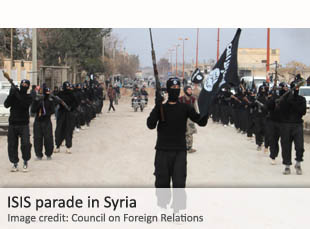
 Western experts and intelligence officials are warning that the recent military gains made against the Islamic State of Iraq and Syria (ISIS) are not enough to damage it, and may in fact make the group stronger in the long run. Undoubtedly, the impressive momentum of ISIS, which calls itself the Islamic State, has been curtailed, and the image of invincibility that it once projected is no longer there. Observers estimate that the Sunni militant group has lost nearly a fifth of its territory in Syria, while it is no longer in control of about half of the land it used to occupy in Iraq. As a result of these territorial defeats, ISIS has lost a third of its oil production, which is believed to account for half of its overall revenue. Earlier this month, US President Barack Obama said that, as ISIS continues to concede territory, it is “losing the money that is its livelihood”.
But US intelligence officials do not seem to agree. Speaking on June 16 before the US Senate’s Select Committee on Intelligence, John Brennan, Director of the Central Intelligence Agency, cautioned against triumphalism. He told senators that the efforts of the international military coalition against ISIS “have not reduced the group’s terrorism capability and global reach”, adding that ISIS would “have to suffer even heavier losses of territory, manpower, and money for its terrorist capacity to decline significantly”. According to Reuters, a number of US intelligence officials and counterterrorism experts support Brennan’s views. The news agency said on Wednesday that many experts are warning that the military campaign on the ground was “far from eradicating [ISIS] and could even backfire”.
The fact that local troops fighting ISIS are almost completely composed of Shiite Arabs from Iraq and Iran, or are Kurdish Peshmerga, could add legitimacy to ISIS as the protector of the Sunni Arab minority in the region. There are also reports of human rights violations against Sunnis by the advancing Shiite forces, including an unconfirmed allegation that 49 Sunni men of fighting age were executed after surrendering to the anti-ISIS coalition in Falluja. Additionally, if ISIS loses much more territory, it will be tempted to simply abandon conventional fighting tactics and turn into a guerrilla group. Reuters quotes RAND Corporation analyst Seth Jones, who argues: “It looks like the areas that the Islamic State has lost, they are generally abandoning, and that would mean preparing to fight another way”. That could mean that ISIS fighters intend to blend in with the urban population and launch a campaign of sabotage, assassination and disruption of government services.
As ISIS has lost ground in Iraq and Syria, the flow of foreign fighters intending to join the organization has dropped significantly. But that is not necessarily a good thing, says Reuters. These fighters, who in the past were instructed to join ISIS in the Middle East, may now be told to launch lone-wolf terrorist attacks abroad. The Reuters report cites one terrorism expert, Hassan Hassan, of the Royal Institute of International Affairs in London, who argues that the international appeal of the Islamic State is not connected to the group’s military performance in the Middle East. In other words, its popularity among its Western followers will persist even if all of the group’s territorial strongholds are lost to its adversaries.
► Author: Ian Allen | Date: 23 June 2016 | Permalink
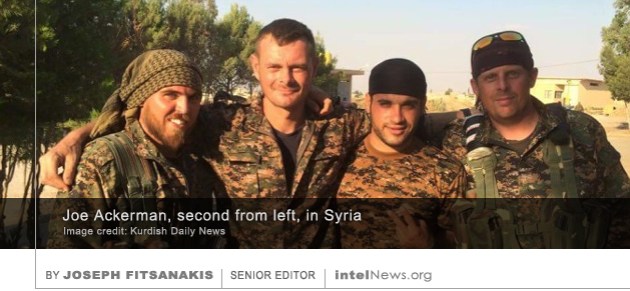 Two British and one Irish citizen, who fought with Kurdish units against the Islamic State in Iraq and Syria, but were imprisoned in Iraqi Kurdistan while they were trying to return to Europe, have been freed. The three men are Joshua Molloy, from County Laois in the Republic of Ireland, Jac Holmes from Bournemouth, England, and Joe Ackerman (pictured), from the West Yorkshire city of Halifax in England’s northern region. All three joined Kurdish militias and saw action in Syria and Iraq in recent months.
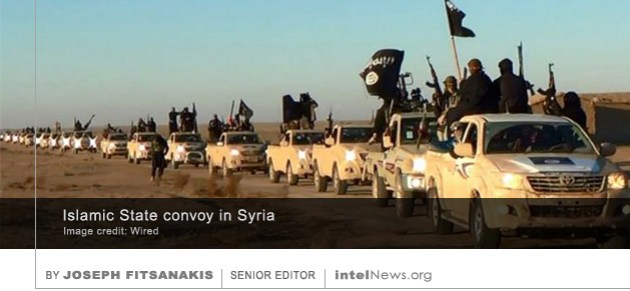 Much emphasis has been given to the Islamic State’s Western recruits, but there is almost nothing known about Westerners fighting against the Islamic State in Iraq and Syria. Last week, an investigative website published the first substantial study on the subject, focusing on volunteers who are citizens of the United States. Entitled “The Other Foreign Fighters”, the study focuses on those Americans who have voluntarily traveled to the Middle East to take up arms against the group, which is also known as the Islamic State in Iraq and Syria (ISIS). It was authored by Nathan Patin, an independent researcher who often publishes his work through Bellingcat, a website specializing in open-source investigations.
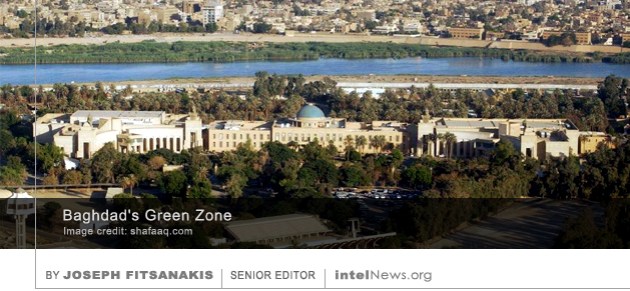 The Iraqi government is now using intelligence supplied by the Russian military in its war against the Islamic State, according to officials in Baghdad. As intelNews
 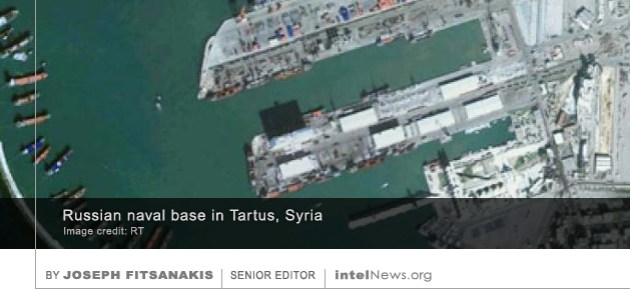 The governments of Russia, Syria and Iran have entered a formal intelligence-sharing agreement with Iraq, in an effort to defeat the Islamic State, it has been announced. Intelligence-sharing has been practiced for a while between Russia, Syria and Iran; but this is the first time that Iraq, an American ally, has entered the alliance. According to the Baghdad-based Iraqi Joint Forces Command, the agreement entails the establishment of a new intelligence-sharing center in the Iraqi capital. It will be staffed with intelligence analysts from all four participating countries, who will be passing on shared information to their respective countries’ militaries.
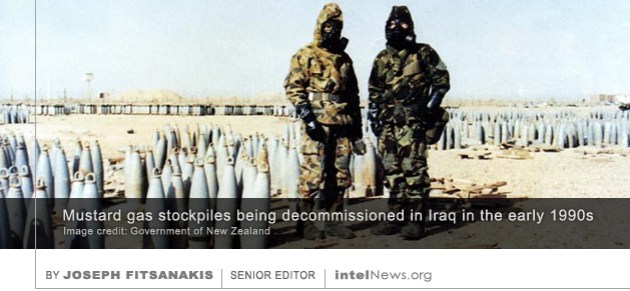 Germany’s foreign intelligence agency says it has evidence that the Islamic State is making use of chemical weapons in northern Iraq, according to media reports. The German Federal Intelligence Service, known as BND, says its operatives in the Middle East were able to collect biological samples from Kurdish fighters engaged in battles against the Islamic State forces. The samples pointed to chemical poisoning that most likely came from sulfur mustards, more commonly known as mustard gas. The chemical, which is banned from use in warfare by the 1993 Chemical Weapons Convention, causes skin irritation that gets progressively worse until sufferers develop debilitating blisters filled with yellow fluid.
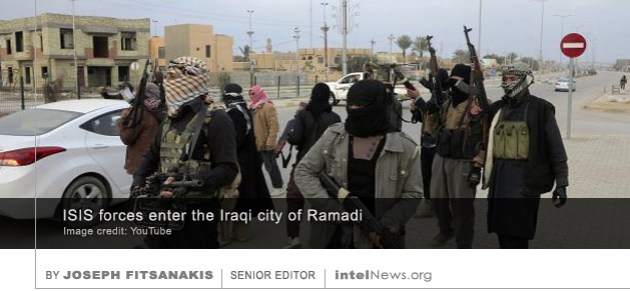 The capture by Islamic State forces of the Iraqi city of Ramadi, on May 17, has given the organization a fortified urban base less than an hour’s drive from Baghdad. Its near-simultaneous takeover of the central Syrian city of Palmyra, points to the organization’s permanence and demonstrates its widening operational span, which now ranges from Western Libya to the Iranian border. Without an all-out war effort by outside forces, such as Iran, or the United States, it is difficult to see how the Islamic State could be stopped from permanently establishing itself as a major actor in the region, especially since no outside force appears willing to confront it directly.
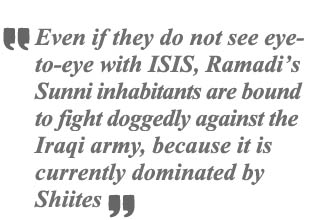 pacified. Iraqi government forces will almost certainly face a protracted armed campaign by a mixture of heavily armed groups in the city. Some of these groups are led by ISIS, some are inspired by al-Qaeda, while others are motivated by a broader anti-Shiite sentiment, which is currently the predominant political ideology in Anbar Province.
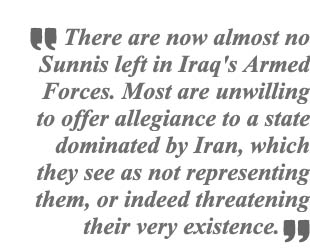 are aligned to it. Iraqi Sunnis believe that if they lose the fight against the Iraqi military they will be extinct as a people, which explains why they are fighting with more zeal and determination than their Shiite compatriots.









 intelNews.org
Flow of foreign fighters to ISIS drops to near zero, intel assessments show
September 12, 2016 by Joseph Fitsanakis Leave a comment
But current intelligence assessments produced by analysts in the US Intelligence Community suggest that the total inflow of foreign recruits has trickled down to a total of just 50 since the beginning of 2016. Many European countries, notably Belgium and Britain, have not seen any of their nationals leaving for Syria or Iraq this year, while fewer than 10 Americans have done so since January. According to The Washington Post, which last week published a report on the subject, this unprecedented trend is largely attributable to the shrinking territory —and presumably operational strength— of the Islamic State. Some experts note that, like al-Qaeda before it, the Islamic State is now seen as “failing entity” by Sunnis, prompting many aspiring jihadists to not wish to be associated with the group. It has also becoming more difficult for individuals to enter Syria, as Western governments and Turkey have grown progressively vigilant of young men and women seeking to travel to regional warzones. The Islamic State has also lost its control over regions that are adjacent to Turkey’s borders, which discourages Turkish and Syrian smugglers from attempting to transfer people across the notoriously porous border.
But even though the decline is sustainable, and marks “an important milestone” in multinational endeavors to combat the growth of the Islamic State, The Washington Post notes that it also raises critical questions about the future of Western security. Specifically, the paper wonders whether the terrorism threat from the Islamic State is easing, or if it is “morphing into a more dangerous new phase”, in which potential recruits are instructed to attack Western targets and former recruits disperse into conflict-prone areas across the world to spread the jihad there.
► Author: Joseph Fitsanakis | Date: 12 September 2016 | Permalink
Filed under Expert news and commentary on intelligence, espionage, spies and spying Tagged with Iraq, Islamic State, News, reverse immigration, Syria, terrorism