Several EU member states expel dozens of Russian diplomats for suspected espionage
April 4, 2022 1 Comment
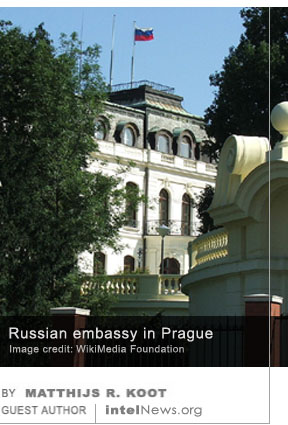 A WEEK AFTER POLAND announced the expulsion of 45 Russian diplomats, the foreign ministries of Belgium, the Czech Republic, Ireland and the Netherlands announced on March 29, 2022 that they would expel Russian diplomats. A day later, Slovakia followed up by announcing it will expel 35 Russian diplomats. On Monday, April 4, France, Germany and Lithuania followed suit with dozens of expulsions.
The Czech Republic, which in 2021 called on the European Union (EU) and the North Atlantic Treaty Organization (NATO) to expel Russian diplomats in solidarity against Moscow, announced the expulsion of one diplomat from the Russian embassy in Prague, on a 72-hour notice. In a tweet, the Czech ministry of foreign affairs stated that “Together with our Allies, we are reducing the Russian intelligence presence in the EU”.
Belgium has order the expulsion of 21 diplomats from the Russian embassy in Brussels and consulate in Antwerp. Minister Sophie Wilmès said the measure was taken to protect national security and was unrelated to the war in Ukraine. “Diplomatic channels with Russia remain open, the Russian embassy can continue to operate and we continue to advocate dialogue”, Wilmès said.
The Netherlands will be expelling 17 diplomats from the Russian embassy in The Hague. According to minister Wopke Hoekstra, the diplomats were secretly active as intelligence officers. Hoekstra based this on information from the Dutch secret services AIVD and MIVD. The Russian embassy in The Hague has 75 registered diplomats, of which 58 will remain. Hoekstra says the decision was taken with “a number of like-minded countries”, based on grounds of national security. Like his Belgian colleague, Woekstra adds he wants diplomatic channels with Russia to remain open.
Ireland will be expelling four “senior officials” from the Russian embassy in Dublin, for engaging in activities “not […] in accordance with international standards of diplomatic behaviour”. They were suspected of being undercover military officers of the GRU and were already on the radar of Garda Síochána, the Irish national police and security service, for some time.
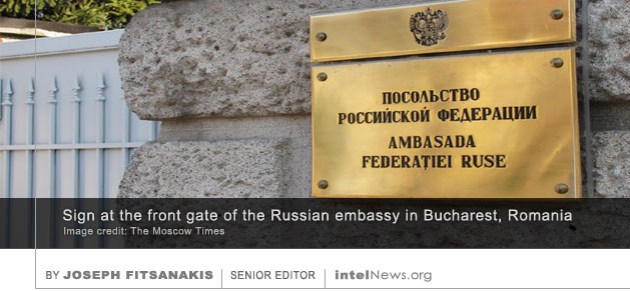 SEVERAL EASTERN EUROPEAN STATES announced plans to expel Russian diplomats this week, as Moscow declared an Italian diplomat persona non grata in a tit-for-tat dispute with Rome over espionage allegations. Earlier this month, the Czech Republic
 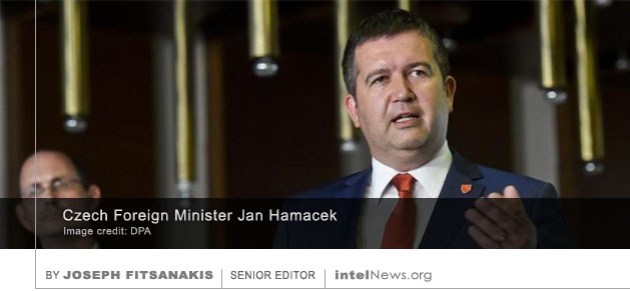 CZECH GOVERNMENT OFFICIALS SAID they would welcome the expulsion of Russian diplomats from European Union and North Atlantic Treaty Organization countries, in support of Prague’s ongoing diplomatic spat with Moscow. The Czech Republic expelled 18 Russian diplomats last weekend, in order to protest against an explosion at a remote munition depot in the east of the country, which the government claims was part of a Russian intelligence operation.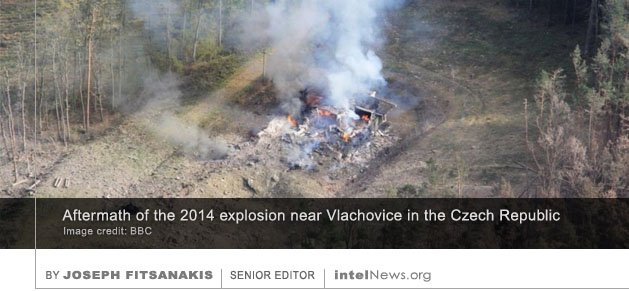
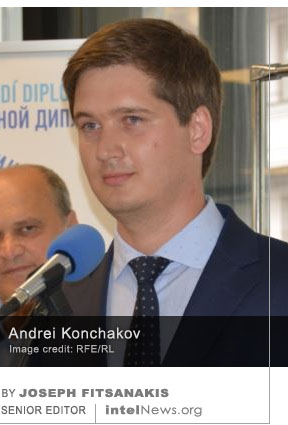 Moscow has reacted angrily to the Czech government’s decision to expel two Russian diplomats from the country, in response to allegations that the Kremlin plotted to assassinate three outspoken Czech politicians using a deadly poison. Russian officials pledged to respond in kind to Prague’s “indecent and unworthy deed”.
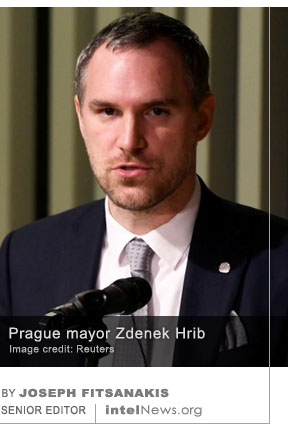 The Russian government has strongly denied accusations in the Czech media that it dispatched an assassin to Prague to kill two leading Czech politicians. The denial was issued by the Kremlin a day after Prague mayor Zdeněk Hřib said he had been placed under 24/7 police protection because of fears his life could be in danger.
 The Czech intelligence services foiled a secret plan by North Korea to smuggle weapons parts and surveillance drones, leading to the expulsion of a North Korean diplomat from the country, according to a report. The report,
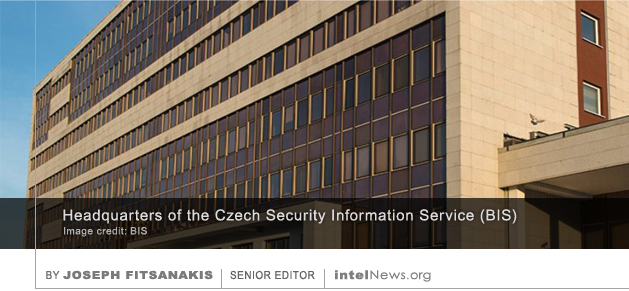
  Security agencies in Eastern Europe have voiced concern about the rise of far-right paramilitary groups whose members have access to heavy weaponry, including in some cases armored vehicles and tanks. The most recent warning came on Sunday, when the Czech daily newspaper Mlada Fronta Dnes published excerpts of a leaked security report on the subject. The report was authored by analysts in the Security Information Service (BIS), the country’s primary domestic intelligence agency. It detailed the recent activities of a group calling itself the National Home Guard, a far-right, anti-immigrant militia that
 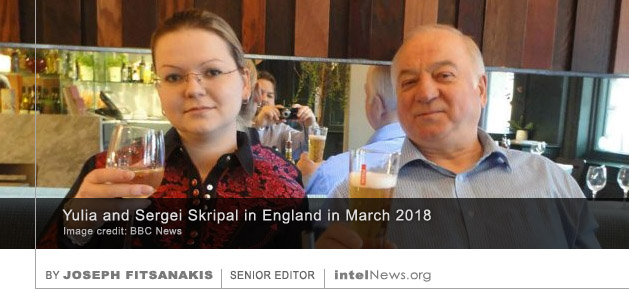 Russia may have made the decision to kill former double spy Sergei Skripal because he continued to provide counterintelligence assistance to Eastern European governments, according to media reports from Prague. Skripal, 66, a veteran military intelligence operative who spied for Britain in the early 2000s, has been living in England since 2010. He was recently released from hospital after he was
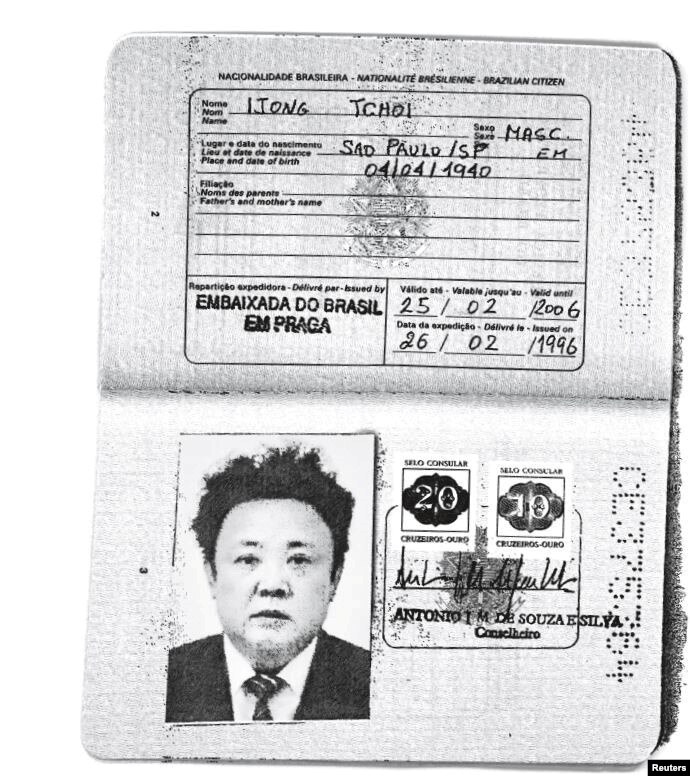
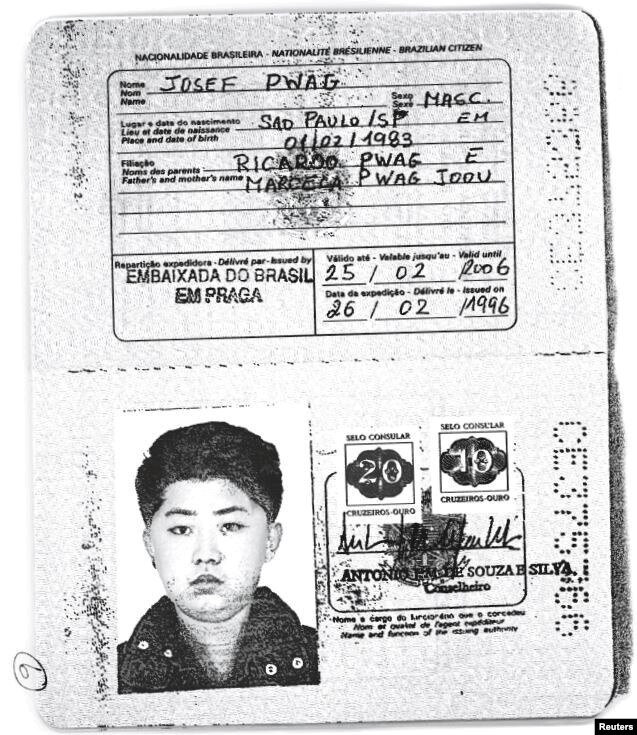
 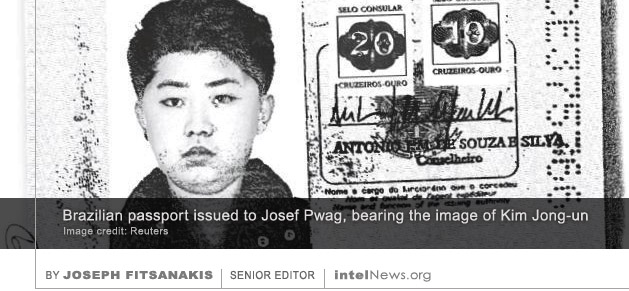 The late Supreme Leader of North Korea, Kim Jong-il, and his son and current Supreme Leader Kim Jong-un, used forged Brazilian passports to secure visas for overseas trips and to travel abroad undetected, according to reports. The Reuters news agency







 intelNews.org
Spain and US reject claims they planned to assassinate Venezuelan officials
September 16, 2024 by Joseph Fitsanakis 1 Comment
The allegations against the six foreign men were aired on live television by the Venezuelan Minister of the Interior Diosdado Cabello, who is a close ally of Maduro. Cabello accused the US Central Intelligence Agency (CIA) of “leading this operation” with the participation of special forces troops. The Venezuelan official went on to claim that at least one of the American citizens who were arrested over the weekend is a member of the US Navy Sea, Air, and Land (SEAL) Teams, commonly known as Navy SEALs.
Cabello referred to the six men as “mercenaries” with prior service in Colombia, Iraq, and Afghanistan. He added that they had been in contact with “French mercenaries in Eastern Europe” who had supplied them with “hundreds of weapons”. Cabello told reporters that Venezuelan authorities had seized over 400 rifles when they arrested the six men. The Venezuelan cabinet minister also claimed that the two Spanish citizens were employees of National Intelligence Center, Spain’s primary intelligence organization.
Late yesterday, however, Spanish officials issued strong denials of Cabello’s allegations. One Spanish government spokesperson told the Agence France Presse news agency that Madrid “denied and categorically rejected” Venezuela’s claims. Meanwhile, a statement issued by the US Department of State rejected as “categorically false […] any claims of US involvement in a plot to overthrow Maduro”. The French and Czech governments had yet to issue any official statements as of late last night.
Meanwhile, the BBC reported yesterday that the Spanish government has requested that Venezuelan authorities provide details of the detainees and that the Spanish embassy in Caracas is seeing to gain access to the two Spanish detainees.
► Author: Joseph Fitsanakis | Date: 16 September 2024 | Permalink
Filed under Expert news and commentary on intelligence, espionage, spies and spying Tagged with Centro Nacional de Inteligencia (Spain), coup plots, Czech Republic, Diosdado Cabello, France, News, Nicolás Maduro, Spain, US, Venezuela