News you may have missed #293
February 22, 2010 Leave a comment
- US DHS monitors websites. According to a document released by the US Department of Homeland Security, Cryptome, Wired‘s Danger Room blog, and WikiLeaks, are among websites the DHS systematically monitors “in order to provide situational awareness and establish a common operating picture”. IntelNews wants to take this opportunity to say ‘hi’ to members of the DHS lurking around.
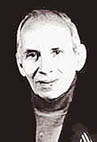
- Russian spy lived in Dayton, stole secrets. Iowa-born and -bred communist and US Army engineer, George Koval, was a master at blending in. And, as it turns out, he was also a master spy for the Soviet Union. He did just that while working on the Manhattan Project in Dayton for six months in 1945.
- Niger army suspends constitution. No word yet in Niger about the elections promised by the military coup plotters who appear to have staged a successful coup. For those who may not know, in international politics, Niger means uranium –lots of it. It’s also worth asking what ten agents of Bulgaria’s counterterrorism unit were doing in Niger on the day of the coup.








 intelNews.org
Atomic spy David Greenglass, who spied for the USSR, dead at 92
October 15, 2014 by Joseph Fitsanakis Leave a comment
David Greenglass, an American spy for the Soviet Union, who played a key role in the most widely publicized case of atomic espionage during the Cold War, has died in New York, aged 92. Born in Manhattan in 1922, Greenglass became an active communist at a young age, and in 1943 joined the ranks of the Young Communist League —the youth wing of the Communist Party USA. Shortly afterwards he joined the United States Army and entered the top-secret Manhattan Project as a machinist. He initially worked for the Project —America’s secret effort to build an atomic bomb— in Oak Ridge, Tennessee, before being transferred to the its headquarters in Los Alamos, New Mexico. He later told a US court that he firmly believed that the USSR should have access to nuclear technology and actively tried to share information on the Manhattan Project with Moscow. He did so through his sister, Ethel Rosenberg, and her husband, Julius, who, like him, were committed communists. After all of them were arrested by the Federal Bureau of Investigation on charges of espionage, Greenglass agreed to testify for the US government. He told the court that he saw his sister transcribe top-secret information from the Manhattan Project on her personal typewriter in her apartment in 1945. His testimony was central in securing convictions for the Rosenbergs. The two refused to cooperate with the FBI and in 1951 were sentenced to death in the electric chair. In 1953, the husband and wife were executed in New York, leaving behind two young children, Michael and Robert. The orphans were soon adopted by close personal friends of the Rosenbergs and took the name Meeropol. Meanwhile, Greenglass served nearly 10 years of a 15-year sentence for conspiring to conduct espionage against the US. Upon his release from prison in 1960, he changed his name and settled in Queens, New York. On Tuesday, The New York Times disclosed that it had accidentally found out that Greenglass had died on July 1, 2014, after calling the nursing home where he had been living in recent years. Read more of this post
Filed under Expert news and commentary on intelligence, espionage, spies and spying Tagged with Cold War, David Greenglass, espionage, Ethel Rosenberg, history, Julius Rosenberg, MANHATTAN project, News, Rosenberg nuclear spy ring