News you may have missed #911
July 19, 2020 Leave a comment
 • Analysis: The outstanding issue of the Libyan intelligence services. The post of Chief of the Libyan Intelligence Service of Tripoli’s Government of National Accord (GNA) is still vacant. Therefore, this is an optimal situation for the Head of Tripoli’s government, who is currently pro tempore Director of the GNA agencies, while the struggle for the next Intelligence Service director is intensifying.
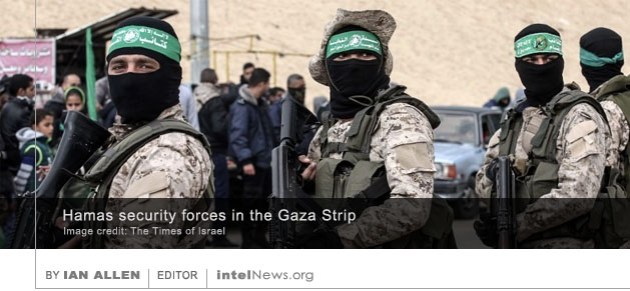
• Hamas admits one of its number spied for Israel before defecting. Hamas deputy leader Moussa Abu Marzouk has confirmed Arabic media reports that Hamas commander Mohammad Abu Ajwa collaborated with and subsequently defected to Israel. The defection was first reported by Al-Arabiya, which said that Israel’s Mossad spy agency had recently facilitated the escape of senior commander Mohammad Abu Ajwa. According to Al-Arabiya, Abu Ajwa had previously led Hamas’s naval special forces.
• Russia used US intelligence to target dissidents in Europe. Russia routinely exploited a US policy of increased information sharing to target Chechen dissidents, according to three law-enforcement and intelligence officials in Europe. The practice emerged after the Trump administration backed a policy of sharing more secret information with Russia, in hope of strengthening relations.
 • In-fighting erupts between Syrian intelligence and army in Damascus. Violent clashes broke out between Syrian regime intelligence forces and local militias affiliated with the army’s 4th Division and national defense in Damascus’ countryside, local media sources reported. Sporadic fighting
 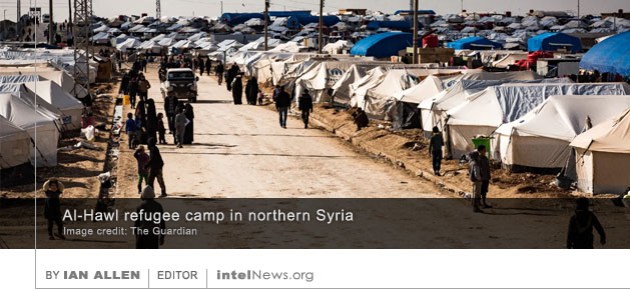 • South African intelligence concerned about spread of insurgency in Mozambique. This is the first public
 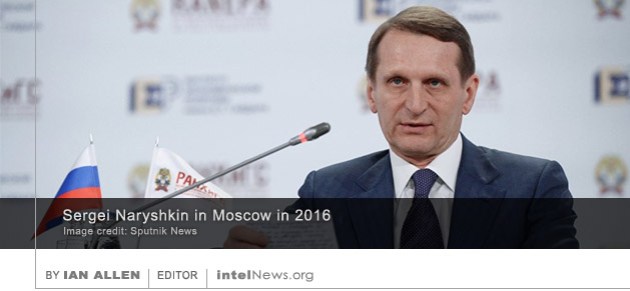 • Russian spy chief in rare interview with the BBC. In an exclusive
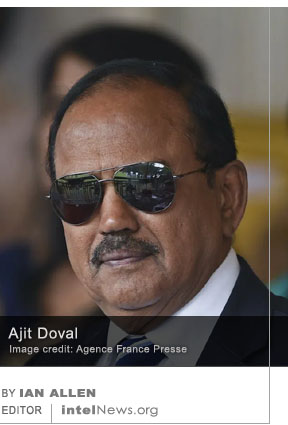
 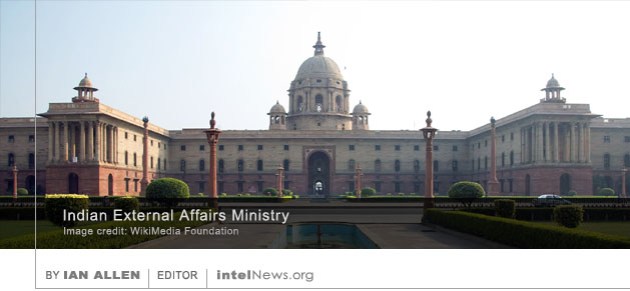 • Pakistan releases two Indian diplomats. Pakistan has
  • Turkish court jails US consulate employee for terrorism offenses. A Turkish employee of the US consulate in Istanbul has been
  • French forces kill al-Qaeda head and capture ISIS leader in Mali. In the past few days, the French military
 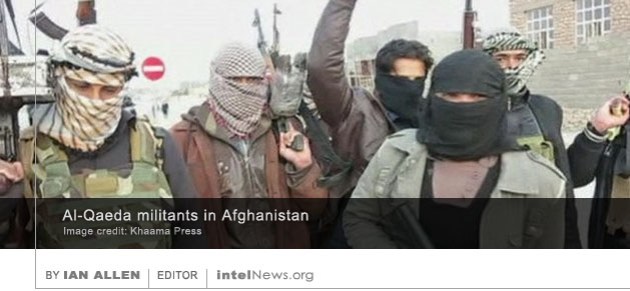 • UN report says Afghan Taliban still maintain ties with al-Qaida. The Taliban in Afghanistan still maintain close ties with the al-Qaida terror network, despite signing a peace deal with the United States in which they committed to fight militant groups, a UN
  • State-level espionage on EU a ‘very high threat’ says report. The most successful attempts of espionage at a top EU institution are state sponsored, according to an
 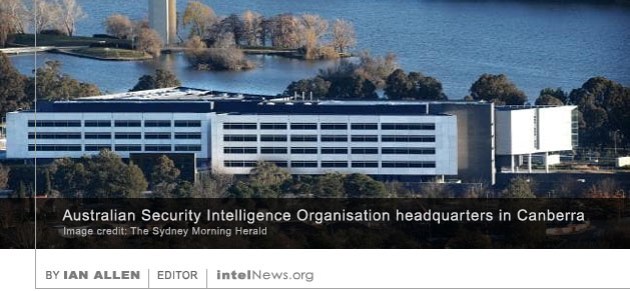 • Australian spy agency seeks expanded powers. The Australian Security Intelligence Organisation (ASIO) says it needs
  •
•  •
•  •
•  •
• 






 intelNews.org
News you may have missed #912: Analysis edition
July 5, 2021 by Ian Allen 1 Comment
• SolarWinds: How Russian spies hacked US government departments. Last year, in perhaps the most audacious cyber attack in history, Russian military hackers sabotaged a tiny piece of computer code buried in a popular piece of software called SolarWinds. After it was installed, Russian agents went rummaging through the digital files of the US departments of Justice, State, Treasury, Energy, and Commerce —among others— and for nine months, they had unfettered access to top-level communications, court documents, even nuclear secrets. On July 4, the CBS television show 60 Minutes aired a special segment on this topic.
• Why did the FBI’s encrypted phone sting not target US suspects? In 2018, a San Diego-led federal sting secretly launched an encrypted communications company as part of Operation TROJAN SHIELD (pictured). Over the next few years, FBI agents, working with law enforcement partners in Australia, New Zealand and Europe, seeded thousands of spyware-infected phones into the hands of criminals and used them to build cases against 300 organized crime groups around the world, from Australian biker gangs to Italian mafia cells. But one country was off limits for investigating agents: the United States. The San Diego Union-Tribune’s Kristina Davis explains why.
• Opinion: Clearance holders need to protect America by studying espionage. John William Davis, retired counterintelligence officer who instructed the threat portion of the US Department of the Army’s Operations Security Course, argues that “many, many techniques for recruiting spies continue much as they did over preceding years. We can learn from the past and apply what we learn to the future.”
Filed under Expert news and commentary on intelligence, espionage, spies and spying Tagged with 0 Clearance holders need to protect America by studying espionage, 0 How Russian spies hacked US government departments, 0 Why did the FBI's encrypted phone sting not target US suspects, Analysis, espionage, news you may have missed, Operation TROJAN SHIELD, SolarWinds