Hundreds of ISIS fighters returning to Iraq to wage low-level insurgency
July 24, 2019 1 Comment
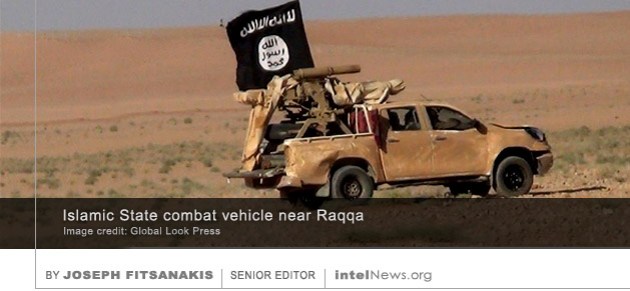 About 1,000 Islamic State fighters have returned to Iraq in recent months and are waging a low-level insurgency that threatens to destabilize rural areas and may be the forerunner of a new sectarian war, an expert has warned. Thousands of fighters belonging to the Islamic State —known also as the Islamic State of Iraq and Syria, or ISIS— crossed into Syria in late 2017. In December of that year, the Iraqi government of Prime Minister Haider al-Abadi declared victory in the war against the militant Sunni group. Since then, however, many of these fighters have been slipping back into Iraq from Syria and are now picking up arms again against the Iraqi state, which they see as being dominated by Iran-allied Shiites.
In an article published on Sunday, The Washington Post cites Hisham al-Hashimi, an Iraqi security advisor to the government in Baghdad, as well as several foreign aid groups, who warns that ISIS is regrouping in Iraq. Al-Hashimi told The Post that approximately 1,000 ISIS fighters are believed to have crossed into Iraq from Syria since December of 2018. Most of them are Iraqi nationals who are essentially returning to the Sunni-majority areas of the country that were considered ISIS strongholds before 2018. Upon their return, the fighters join small ISIS cells that operate mostly in rural areas in central and northern Iraq. They move at night and are intimately familiar with the local terrain, which allows them to utilize effectively a variety of hiding places. These cells can now be found in locations ranging from the city of Kirkuk in the north to the province of Diyala, east of Baghdad. They are responsible for scores of kidnappings, roadside bombings and sniper attacks that target local officials and security personnel. Local observers stress that the re-emerging ISIS cells are too weak to threaten the territorial control of the country by the Iraqi government. However, they are rapidly destabilizing rural areas in the country and appear to be preparing for a protracted insurgency that could potentially lead to another major sectarian war.
The Washington Post report comes a month after a group of researchers with the Institute for the Study of War warned that the Islamic State is capable of making a sudden comeback in the Middle East that could be “faster and even more devastating” than 2014, when the group quickly conquered territory the size of Britain. In a 76-page paper entitled ISIS’s Second Comeback: Assessing the Next ISIS Insurgency, the researchers said that the militant group had managed to subvert Iraqi and Syrian government efforts to reintroduce stability and safety in areas previously under ISIS domination. Not only were government forces finding it “increasingly difficult to establish durable and legitimate security and political structures” in those areas, but they should be worried about the possibility of ISIS actually reconquering territory in both Iraq and Syria, the report warned.
► Author: Joseph Fitsanakis | Date: 24 July 2019 | Permalink
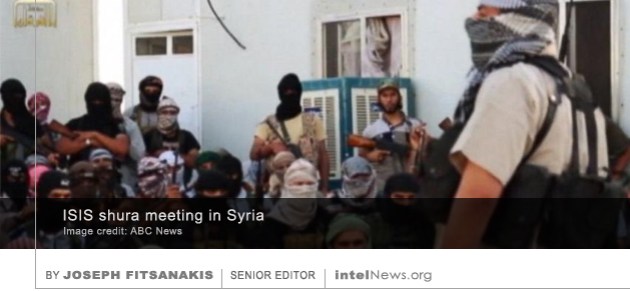 The Islamic State is capable of make a sudden comeback in the Middle East that could be “faster and even more devastating” than 2014, when the group quickly conquered territory the size of Britain, according to a new report from the Institute for the Study of War (ISW). The Washington-based think-tank’s report is based on the most recent data about the presence in the Middle East of the militant Islamist group, which is also known as the Islamic State of Iraq and Syria. The 76-page
 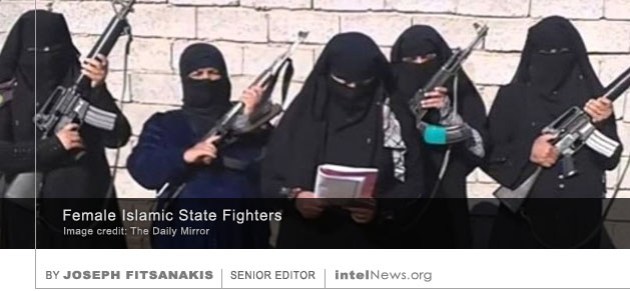 The role of women inside the Islamic State is growing, as the Sunni militant group is transmuting into an underground organization, according to a Harvard University terrorism expert. Since its meteoric rise in Iraq and Syria, the Islamic State has been known for advocating for strict segregation between men and women. In the early stages of the group’s emergence, combat roles were exclusively performed by men, while women’s roles were limited to childbearing and housework. But according to Vera Mironova, Visiting Scholar in the Economics Department at Harvard University, and former Associate of the International Security Program at Harvard’s Belfer Center, the Islamic State’s policy on gender roles is shifting rapidly.
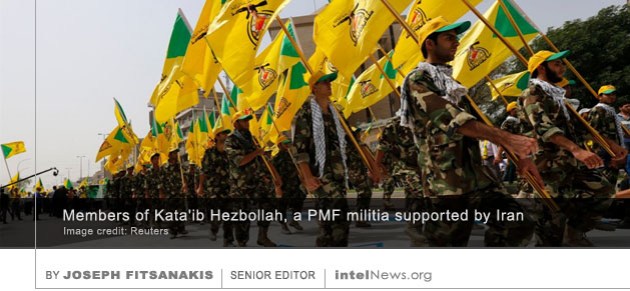 The Shiite militias that fought in the war against the Islamic State are now “engaged in mafia-like practices” in former Islamic State strongholds, enraging Iraqi Sunnis and sparking fears of another Islamist insurgency, according to a
 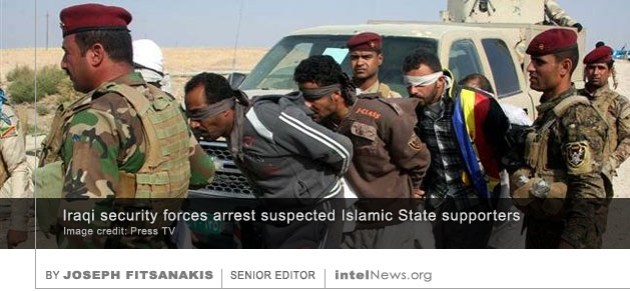 A campaign of revenge by Iraq’s Shiite-dominated government against Sunni Arabs in regions once controlled by the Islamic State is aiding Islamists and fueling another rebellion in the country, according to a new report. In 2014, the meteoric rise of the Islamic State of Iraq and Syria —ISIS, later renamed to Islamic State— was largely aided by the strong belief among Iraqi Sunnis that they were second-class citizens in a Shiite-dominated Iraq. In addition to its Sunni credentials, the Islamic State was also able to appeal to Iraqi Sunnis by portraying itself as pious, efficient and trustworthy. This image was in a sharp contrast to the widespread provincial view of politicians in Baghdad as corrupt, indifferent and ineffectual. Popular support for the Islamic State among Iraq’s Sunni Arab minority took the Iraqi government by surprise and almost enabled the militant group to conquer Baghdad in 2015.
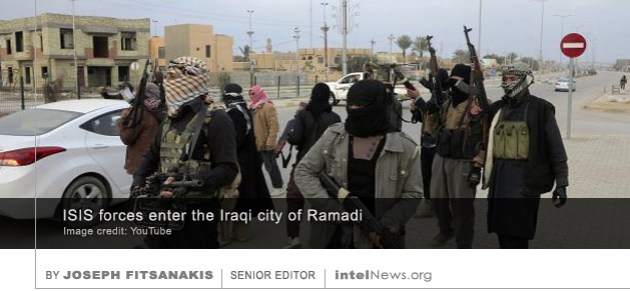 A report from the United States Department of Defense warns that the Islamic State is swiftly returning to its insurgent roots, as observers in Iraq and Syria caution that the group is witnessing a revival. It has been four years since the Islamic State —known then as the Islamic State of Iraq and Syria, or ISIS— conquered much of eastern Syria and more than a third of Iraq’s territory. But by the end of 2017, virtually the entirety of ISIS’ self-styled ‘caliphate’ had been obliterated by an ‘unholy alliance’ of US-backed Iraqi government forces, Iranian-supported Shiite militias, Kurdish guerillas and Western airpower.
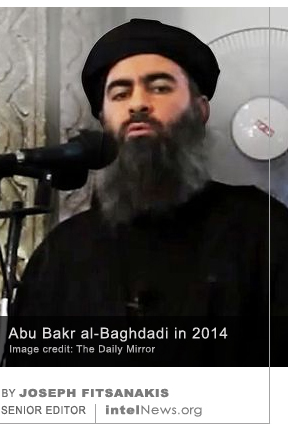 An joint operation conducted by American and Iraqi intelligence officers employed a popular messaging app on the phone of a captured Islamic State commander to apprehend four very senior figures in the organization, according to reports. The Reuters news agency
 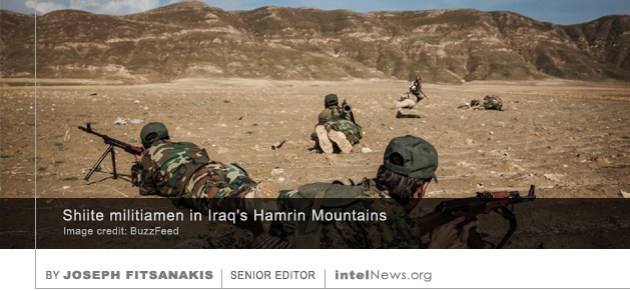 The collapse of the Islamic State of Iraq and Syria is giving rise to a host of successor groups, which are quickly regrouping, recruiting members and launching increasingly sophisticated attacks against government forces, according to experts. A military victory in the war against ISIS was officially declared by the Iraqi government in December of last year. In recent weeks, United States President Donald Trump has repeated his government’s claim that American forces are “knocking the hell out of ISIS”. The Sunni militant group, which rose to prominence in 2014 after conquering much of Syria and northwestern Iraq, is clearly on the retreat, having lost every major urban center that it used to control. However, the collapse of the organization has led to the emergence of numerous insurgent groups that are quickly forming in Iraq and Syria.
 The Turkish government has refused to comment on reports from Iraq, which suggest that Kurdish forces have captured at least two senior Turkish intelligence officers. News of the arrests first
 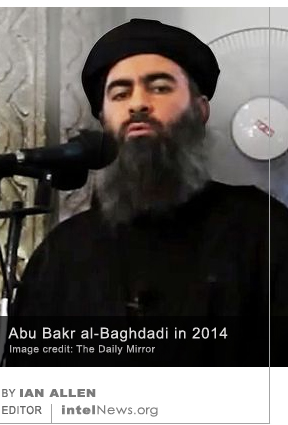 The leader of the Islamic State has abandoned the city of Mosul and is hiding in the desert zone of western Iraq, according to intelligence sources. Meanwhile Mosul, once the most populous city under the Islamic State’s control, is now reportedly being defended by a diminishing cadre of fewer than 3,000 Sunni militants, who are facing a 110,000-strong invading army.
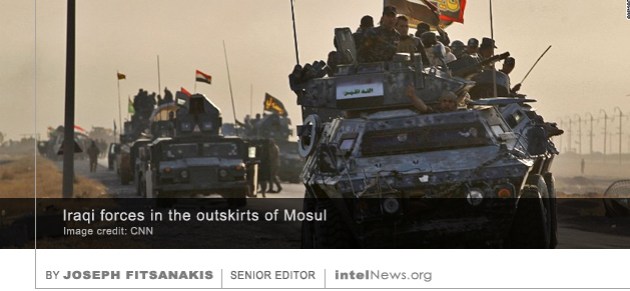 Western military and intelligence agencies are deploying extra analysts to comb through unprecedented amounts of digital data collected from Iraqi regions that have recently been recaptured from the Islamic State. The information is contained in thousands of laptops, hard drives, flash drives and cell phones left behind by retreating Islamic State forces in and around the northern Iraqi city of Mosul.






 intelNews.org
Analysis: Tension grows between Iraqi state and Shiite militias that helped fight ISIS
August 8, 2019 by Joseph Fitsanakis Leave a comment
According to the German broadcaster Deutsche Welle, northern Iraqi cities like Mosul, Bashiqa and Nineveh are largely under the command of the PMF today, a full 18 months after they were recaptured from ISIS. All political and economic activity in the region is controlled by PMF fighters operating under the command of the 30th Brigade, which is one of the most hardline pro-Iranian militias in the PMF. It is alleged that the militias receive economic kickbacks from Shiite-owned Iraqi firms who are awarded multi-million dollar contracts to rebuild the city. Meanwhile, as The Washington Post and other news media have reported, PMF militia members are beginning to exhibit “mafia-like” behavior, establishing protection rackets and kidnapping motorists at night in order to release them for a fee paid by their families. There are also allegations, made by Deutsche Welle and other Western media, that the PMF has conducted mass executions of Iraqi Sunnis as part of its goal to rid Iraq of Sunni Islam.
Last month, Iraqi Armed Forces tried to dismantle PMF-controlled checkpoints into Mosul, but was confronted by armed PMF forces who refused to cede contro. Following the failed attempt to recapture the checkpoints, Iraq’s Prime Minister Adel Abdul-Mahdi warned the PMF that it had until July 31 to disband. Its members were called to join a newly established gendarmerie under the command of the Iraqi Ministry of Defense. Failure to do so would mean that the militias would be considered outlaws and would be treated as such by the Iraqi Armed Forces, the prime minister warned. But the PMF has requested more time to lay down its weapons, as some of its more moderate commanders are trying to convince the Iran-aligned militias to declare allegiance to a state army that they consider to be pro-American. The future will show how likely that is to happen.
► Author: Joseph Fitsanakis | Date: 08 August 2019 | Permalink
Filed under Expert news and commentary on intelligence, espionage, spies and spying Tagged with Analysis, corruption, Iraq, Islamic State, Popular Mobilization Forces