Maduro fires intelligence chief amidst reports of inner circle defections
May 2, 2019 2 Comments
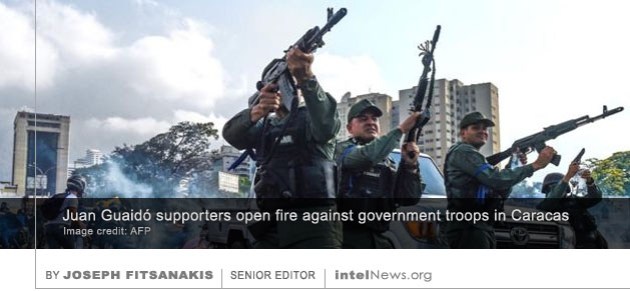 The embattled President of Venezuela, Nicolás Maduro, has reportedly fired his intelligence director, as news emerged early on Thursday that members of his inner circle were considering removing him from power. These reports circulated shortly after Juan Guaidó, President of the Venezuelan National Assembly, openly called on the country’s Armed Forces to remove Maduro from power. Guaidó has been recognized by over 50 countries —including the United States and much of the European Union— as the legitimate president of Venezuela. But Maduro continues to be supported by a number of powerful allies, including China and Russia, which sent troops there last month.
On Wednesday, Maduro dismissed General Christopher Figuera from the post of director of the Bolivarian National Intelligence Service (SEBIN). SEBIN is Venezuela’s primary intelligence agency and has a dual domestic and international role. Much of its domestic mission is to protect and defend the Bolivarian Revolution, which forms the ideological framework of the country’s socialist government. Critics accuse SEBIN of operating as the Venezuelan government’s political police, and of committing scores of human rights abuses against supporters of the opposition. But it appears that Figuera responded favorably to Guaidó’s call on April 30 for an uprising against Maduro. Speaking at a rally on Tuesday, Guaidó said that the Venezuelan military “no longer back […] Maduro […]. They are backing the constitution and are for a change of government”, he said. He went on describe the movement against Maduro as “a usurpation”.
On Thursday, The Wall Street Journal claimed that Venezuelan opposition forces had been holding “secret talks” with members of Maduro’s inner circle, aimed at removing Maduro from power. Among those who held secret talks with opposition negotiators, said the paper, were Minister of Defense General Vladimir Padrino, and General Iván Rafael Hernández, head of Venezuela’s military spy agency, the Directorate General of Military Counterintelligence (DGCIM). Meanwhile, the American-based geopolitical intelligence firm Stratfor said on Wednesday that the uprising led by Guaidó appeared to be “more extensive than initial reports indicated”. According to Stratfor, members of the military and security forces “seized multiple garrisons across the country” and created “substantial cracks” in the security services and the military. Other sources, however, including Britain’s Daily Telegraph, claimed that Guaidó’s efforts were “weak” and “folded” quite quickly. By Tuesday night, said The Telegraph, several members of Guaidó’s reform movement had sought asylum in foreign embassies in Caracas, and Guaidó’s whereabouts remained unknown. Observers noted, however, that the likelihood of further violence increased as the uprising continued to unfold, and that another “major event” could take place at any moment.
► Author: Joseph Fitsanakis | Date: 02 May 2019 | Permalink
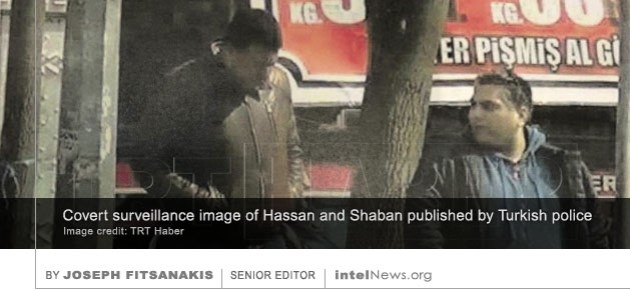 The family of a man who died in a Turkish prison on Sunday while awaiting trial for allegedly spying for the United Arab Emirates has called for an international investigation into this death. Zaki Mubarak Hassan and Samer Shaban —both Palestinians— were reportedly
 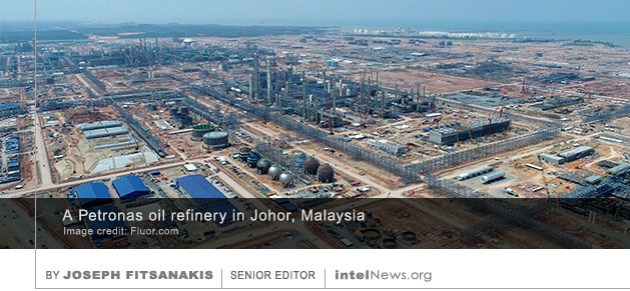 Citing “Western intelligence officials”, Israeli newspaper Haaretz said on Thursday that a deepening alliance between Malaysia and Iran is expected to enable Tehran evade some of the economic sanctions imposed on it by the United States. In the past, every time Washington has imposed economic sanctions on Iran, it has issued renewable waivers for a number of countries whose economies have historically depended on substantial Iranian energy imports. This is done in order to prevent these economies from entering a recession due to lack of access to sufficient energy supplies. This week, however, US President Donald Trump said that Washington would
 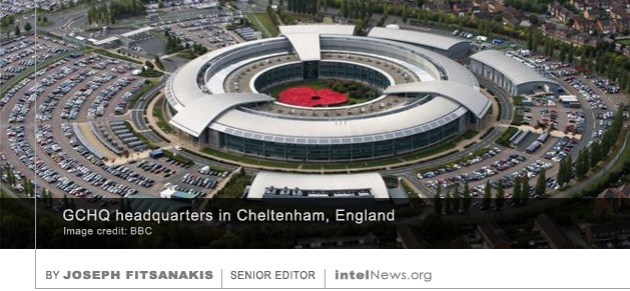 The Government Communications Headquarters (GCHQ), Britain’s primary signals-intelligence agency, has called claims by United States President Donald Trump that it spied on his election campaign “utterly ridiculous”. President Trump’s allegations are not new. They apparently rest on
 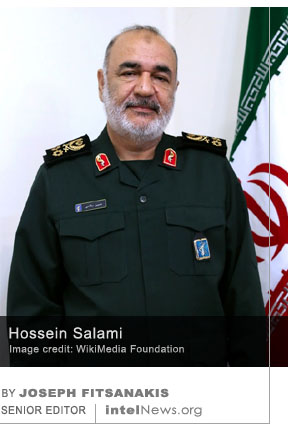 Authorities in Tehran revealed on Sunday the sudden replacement of the head of the Islamic Revolutionary Guard Corps. The unexpected move was announced by pro-government media, but no explanation was given. Since 2007, the IRGC has been led by Major General Mohammad Ali Jafari, 61, a conservative military commander who is widely believed to have consolidated the IRGC’s role within Iran’s power structure. Under his leadership, the IRGC has come to be seen as the staunchest defender of the principles of the 1979 Iranian Revolution. Many Western observers describe the IRGC as a ‘praetorian guard’ whose members possess immense power and often wealth. Today the IRGC is a military force with a command structure that is distinct from that of Iran’s regular Armed Forces. It maintains its own army, navy and air force, has its own paramilitary and political protection units, and is in charge of Iran’s nuclear program.
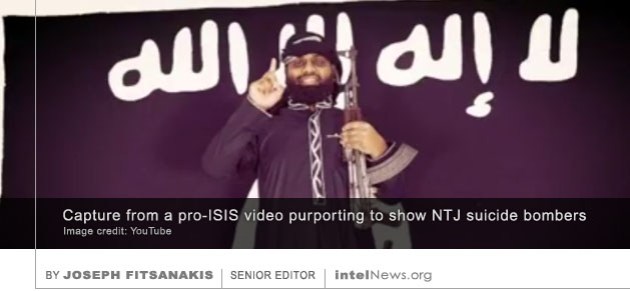 A video posted online by supporters of the Sunni militant group Islamic State appears to show the suicide bombers who carried out Sunday’s bloody attacks in Sri Lanka posing alongside Islamic State flags. Three Catholic churches and three five-star hotels were targeted on Easter Sunday by a total of nine separate blasts, which killed nearly 260 people and injured over 500. The near-simultaneous attacks struck locations in Sri Lanka’s western and eastern coasts and are believed to constitute the bloodiest terrorist attack in the country’s history.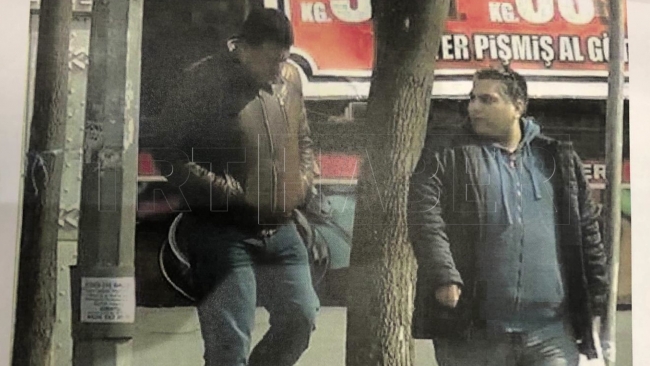
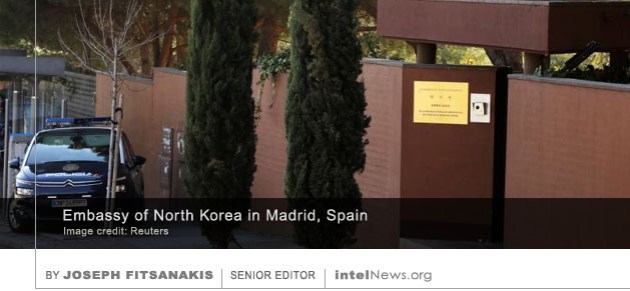 Authorities in Spain have returned material that was stolen from the embassy of North Korea in Madrid by a group of raiders in February, according to a source that spoke to the Reuters news agency. The
 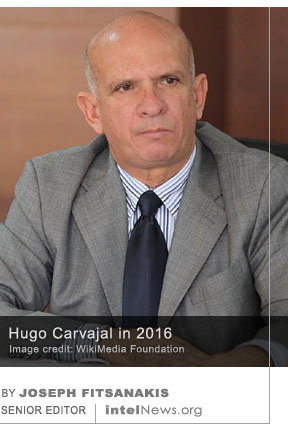 The former director of Venezuela’s military spy agency, who is wanted in the United States for facilitating international drug trafficking, has been arrested in Spain and may be extradited to Washington. Hugo Carvajal is a retired general and former diplomat, who was a member of the late Venezuelan President Hugo Chávez’s inner circle. From 2004 to 2011, under Chávez’s tutelage, Carvajal headed the Directorate General of Military Counterintelligence (DGCIM). But in 2008, the US named Carvajal as a major facilitator of international drugs trafficking and imposed financial sanctions on his assets around the world. Washington accused Carvajal of assisting the paramilitary group known as the Revolutionary Armed Forces of Colombia (FARC) transport drugs from Latin America to Mexico and from there to the US.
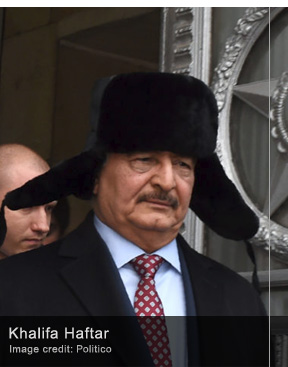 Several European Union member states, led by Italy, have criticized France for blocking a joint resolution calling on all warring factions in Libya to cease all hostilities and return to the negotiations table. The latest round of hostilities was sparked by an all-out attack by a group calling itself the Libyan National Army (LNA). The commander of the LNA is Field Marshal Khalifa Haftar, an old adversary of the Libyan leader Muammar al-Gaddafi, who lived in the United States under Washington’s protection for several decades. In 2011, following an uprising that toppled Gaddafi, Haftar returned to Libya and launch a military campaign from the eastern city of Tobruk. Since that time, he has led the LNA in a war of attrition against the United Nations-backed Government of National Accord (GNA), which is based in the Libyan capital Tripoli.
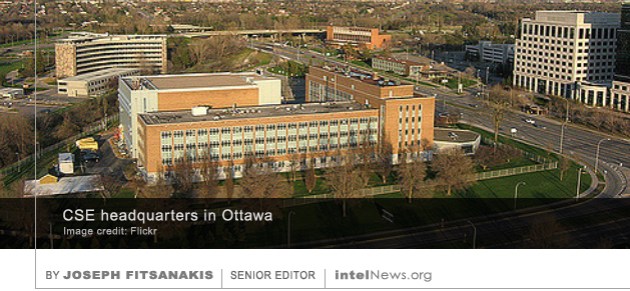 The manipulation of social media by foreign governments aiming to sow division in Canada ahead of the country’s federal election in October is growing, according to the country’s signals intelligence agency. In a report published Monday, the Communications Security Establishment (CSE), Canada’s national communications interception agency, warns that election meddling by foreign powers is already taking place. The
  Teams of “Russian technical specialists” bribed several leading candidates in last year’s presidential elections in Madagascar, in an effort to influence the outcome, according to an investigation by the BBC. The 2018 presidential campaign was among the most closely fought in Madagascar’s 60-year post-independence history. The electorate’s attention concentrated mostly on two former presidents, Marc Ravalomanana, and Andry Rajoelina. Following a closely contested second round in late December, Rajoelina was elected president, having received 500,000 votes more than his opponent. Since his election, Rajoelina has promoted closer ties with Russia. Most notably, he has strengthened his country’s military cooperation with Moscow —a process that was
 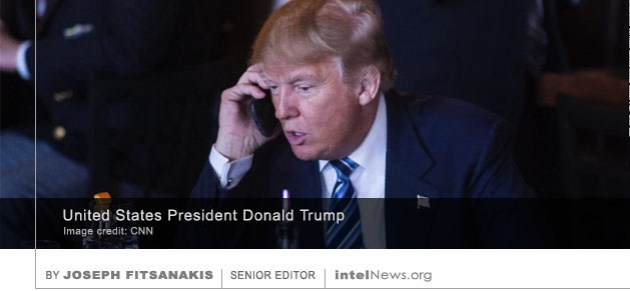 A Chinese woman who entered President Donald Tump’s Mar-a-Lago resort in Palm Beach, Florida, was found to be in possession of two passports, four mobile phones and a flash drive containing “malicious software”, according to the United States Secret Service. Secret Service agents told a US District Court for the Southern District of Florida on Monday that the woman, identified as Yujing Zhang, entered the private club –which serves as President Trump’s vacation home– on Saturday afternoon. She
 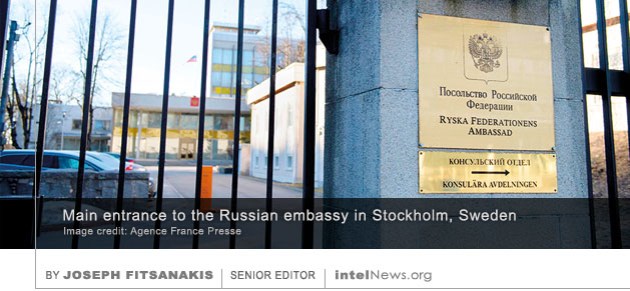 Russia has recalled one of its diplomats from Sweden after he was caught receiving classified information from a computer expert at a nightclub in Stockholm. The computer expert was later identified as Kristian Dmitrievski, a 45-year-old naturalized Swede who was born in Russia. The Swedish government accuses him of having been recruited by Russian intelligence in 2017 or earlier. He allegedly met with his Russian handlers on a regular basis since his recruitment, passing them classified information of a technical nature.








Malaysia releases second female assassin of Kim Jong-un’s half-brother from prison
May 3, 2019 Leave a comment
Both women told Malaysian police that they worked as escorts and that they were under the impression that they had been hired by a Japanese YouTube show to carry out a televised prank on an unsuspecting traveler. They claimed that they did not realize that the men who had hired them several months prior to the assassination operation were agents of the North Korean government —which international authorities blamed for Kim’s murder. In March of this year, Malaysian authorities announced that all charges against the Indonesian woman, Siti, had been dropped, and that she would be released from detention. No reasoning behind the decision was provided to the media. On Thursday, it was revealed that Huong would be freed, after she agreed to plead guilty to a much lesser charge of “causing bodily injury”, as requested by government prosecutors.
What is behind the decision of the Malaysian court? British newspaper The Guardian said last month that the government of Indonesia engaged in intense “behind-the-scenes diplomacy” in order to have its citizen released. These efforts “significantly influenced how events […] unfolded in the courtroom”, said the paper. Additionally, the Malaysian government had been uncomfortable with the international attention of this incident from the very beginning, and had expressed the desire “to be done with the trial because it was diplomatically inconvenient”, according to The Guardian. The paper added that, as the international status of Kim Jong-un rose unexpectedly through his meetings with United States President Donald Trump, Malaysia sought to be “part of this conversation”. Kuala Lumpur thus decided that “the recovery of [its] relationship with Pyongyang [was] more important than justice for the assassination of Kim Jong-nam”, former South Korean intelligence officer Dr. Nam Sung-wook told The Guardian.
► Author: Joseph Fitsanakis | Date: 03 May 2019 | Permalink
Filed under Expert news and commentary on intelligence, espionage, spies and spying Tagged with assassinations, Doan Thi Huong, Indonesia, Kim Jong-nam, Malaysia, News, North Korea, Siti Aisyah, Vietnam