Leaked counterintelligence document reveals Russian concerns about Chinese spying
June 9, 2025 6 Comments
 A LEAKED REPORT AUTHORED by Russia’s primary counterintelligence agency reveals deep concern in national security circles about the intensity of Chinese spying against Russian interests, according to The New York Times. The paper said last week that the leaked report, which was produced by Russia’s Federal Security Service (FSB) between 2023 and 2024, offers “the most detailed behind-the-scenes view” of Russia’s counterintelligence concerns about China.
Following the death of Soviet Premier Joseph Stalin, the two communist countries became sworn enemies and nearly went to all-out war against each other. But in recent years Moscow and Beijing put aside their differences, prompted by their mutual desire to challenge the geopolitical supremacy of the United States and bring about a multipolar world. Since 2022, when Moscow resumed its military invasion of Ukraine, Beijing has stood firmly by the Kremlin. China has become the largest importer of Russian energy and has provided the Russian military with much-needed advanced technology. The relationship between the two neighboring nations appears to be deeper than ever before.
But according to a recently leaked report, Russia’s national security establishment is deeply concerned about Chinese efforts to dominate its ally by spying against it. The eight-page report outlines “ENTENTE-4”, a counterintelligence program run by the 7th Service of the FSB’s Department for Counterintelligence Operations. The department is known by its Russian acronym, DKRO. The DKRO’s 7th Service is tasked with counterintelligence planning and operations against Asian countries, with China being its primary target.
According to The Times, the DKRO produced the report sometime between 2023 and 2024. The document appears to have been intended for distribution to the FSB’s field offices across Russia. It was acquired by ARES Leaks, a cyber criminal syndicate, which posted images of the document on the Telegram messenger application. The paper said it shared the leaked document with “six Western intelligence agencies”, all of which assessed it to be genuine. Read more of this post
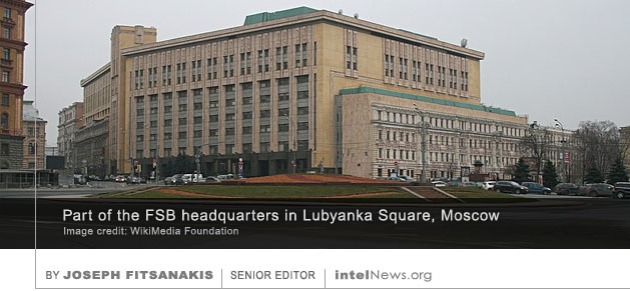 GERMANY HAS CHARGED TWO men, among them a German intelligence officer, with spying for Russia, in a case that has shocked German public opinion and
 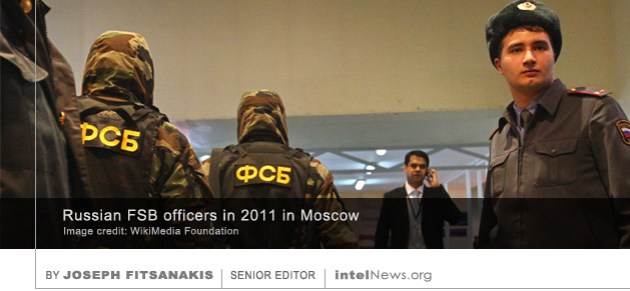 AN INVESTIGATIVE REPORT BY the Wall Street Journal discusses a little-known Russian counterintelligence unit that targets foreign diplomats in ways that often “blur the lines between spycraft and harassment”. Among other activities, this secretive unit is likely behind a string of operations targeting American citizens, which have led to the arrest of at least three of them since 2018. These include the Wall Street Journal correspondent Evan Gershkovich, who earlier this year became the first American reporter to be held in Russia on espionage charges since the Cold War.
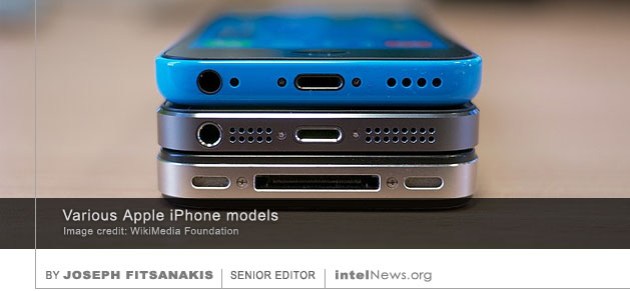 RUSSIAN OFFICIALS SAID THEY uncovered a sophisticated espionage effort by the United States government, which targeted the smartphones of thousands of Apple users living in Russia, including foreign diplomats. According to the Russians, the operation was carried out by the National Security Agency (NSA), an American intelligence agency that specializes in gathering foreign signals intelligence and securing the United States government’s information and communication systems.
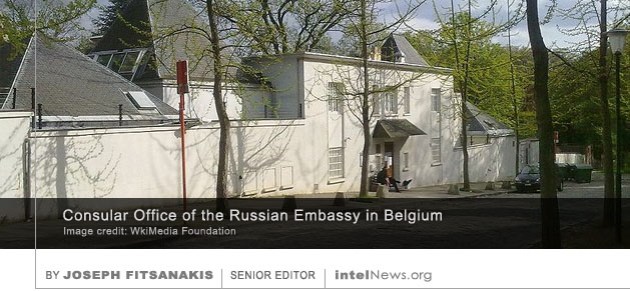 A BRUSSELS-BASED NEWSPAPER has publicized the names and backgrounds of nearly two dozen Russian diplomats, who were recently expelled by the Belgian government on suspicion of espionage. A total of 21 Russian diplomats were expelled from Belgium in April, in co-ordination with dozens of European governments. The move was part of a broader European wave of diplomatic expulsions of Russian diplomatic personnel, in response to the Russian invasion of Ukraine.
 diplomats are expelled in a possible tit-for-tat move by an adversary. It is therefore highly unusual for information concerning expelled diplomatic personnel to be made public. And yet that is precisely what happened earlier this week, when the EUObserver, an English language newspaper based in Brussels, published
  EUObserver said that some of the information about the alleged spies was unearthed by The Dossier Center, a British-based open-source information outlet, which is similar to Bellingcat. The Dossier Center is funded by the oligarch Mikhail Khodorkovsky, who is a critic of the Russian President Vladimir Putin.
 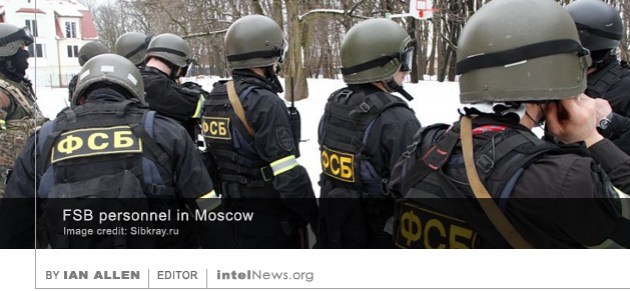 More than 150 officers have been purged form the ranks of Russia’s Federal Security Service (FSB), as President Vladimir Putin is placing blame on his intelligence agencies for the setbacks experienced during the invasion of Ukraine. This assessment was communicated to the London-based Times newspaper by British intelligence sources, who added that many of those purged have been dismissed from the service, while others remain under house arrest. A few —among them senior FSB officials— are in prison. The FSB is tasked with domestic security and counterintelligence operations, which were carried out by the KGB during the Cold War.
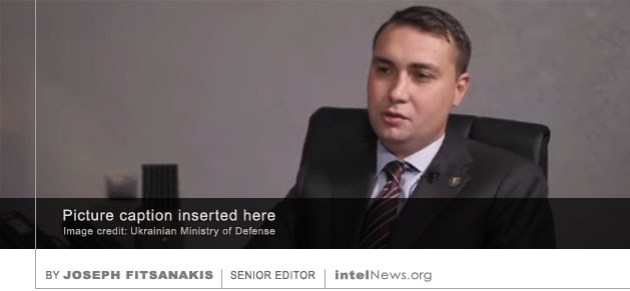 UKRAINE’S MILITARY INTELLIGENCE AGENCY has published a list that contains the names, addresses and passport numbers of 600 Russians, who it alleges are employees of the Russian Federal Security Service (FSB). The FSB is Russia’s domestic security and counterintelligence agency, but its personnel also operate in former Soviet republics, including Ukraine. It has been
  A REPORT BY AN anonymous Russian intelligence analyst alleges that the Russian forces in Ukraine could have suffered as many as 10,000 casualties, and claims that the Kremlin has lost contact with a number of divisions. The claims are included in a 2,000-word document published online by Vladimir Osechkin, a Russian anti-corruption activist and vocal critic of the Kremlin, who has been living in France since 2015. In the past, Osechkin has collaborated with the investigative website Bellingcat.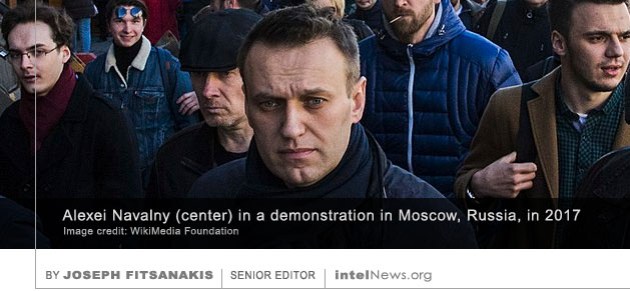
 Russia’s security service has arrested the media advisor to the director of the country’s space agency, accusing him of supplying military secrets to a spy agency of an unnamed Western country. The Russian Federal Security Service (FSB)
 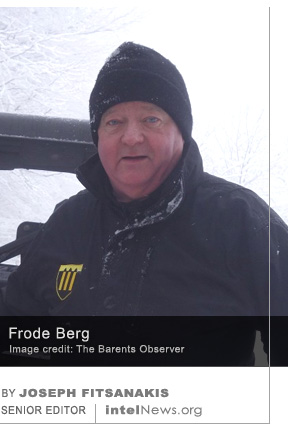 A rare three-way spy-swap has reportedly taken place between Russia and two North Atlantic Treaty Organization (NATO) members, Lithuania and Norway. Rumors of a possible exchange of imprisoned spies between the three countries first






 intelNews.org
Researchers uncover secretive Russian spy unit by studying its commemorative badges
July 21, 2025 by Joseph Fitsanakis 2 Comments
Earlier this month, CheckFirst published its latest report titled “OSINT & Phaleristics: Unveiling FSB’s 16th Center SIGINT Capabilities”. The 36-page report focuses on the study of Russian government-issued commemorative badges—also known as challenge coins—relating to Center 16 (16-й Центр). Also known as Military Unit 71330, Center 16 is a secretive SIGINT unit that houses most of the cyber espionage capabilities of Russia’s Federal Security Service (FSB).
Challenge coins are custom-made medallions given by military, intelligence, and government agencies to recognize service, commemorate achievements, or build morale. Originating in the United States military during World War I, and popularized during the Vietnam War, challenge coins are routinely exchanged in ceremonies or offered to personnel as tokens of camaraderie and loyalty within a specific unit or mission.
Often regarded as collectors’ items, challenge coins from various agencies are often resold on websites such as eBay, or displayed online on websites maintained by private collectors. CheckFirst researchers tracked down several versions of Center 16 challenge coins found on a variety of publicly available websites, as well as on the websites of Russian challenge coin manufacturers, such as GosZnak, SpetsZnak, or Breget.
Based on this OSINT methodology, CheckFirst researchers were able to identify 10 distinct directorates within Center 16, which specialize on various aspects of defensive and offensive cyber espionage. Previously only a single Center 16 directorate had been identified in the unclassified domain. Moreover, by examining geographic indicators found on several of challenge coins, such as maps or coordinates, CheckFirst researchers were able to partly map out the geographic structure of Center 16, locating nearly a dozen interception facilities throughout Russia.
► Author: Joseph Fitsanakis | Date: 21 July 2025 | Permalink
Filed under Expert news and commentary on intelligence, espionage, spies and spying Tagged with challenge coins, commemorative badges, cyberespionage, Finland, FSB, FSB Center 16, News, OSINT, Russia, SIGINT