Colombian spy chief claims intelligence-sharing with CIA continues despite dispute
December 1, 2025 3 Comments
 IN A RARE MEDIA interview, the chief of Colombia’s National Intelligence Directorate (DNI) has said that his agency’s collaboration with the Central Intelligence Agency (CIA) and other American spy organizations continues unabated. This statement appears to contradict a prior statement by the president of Colombia, who said his country had stopped all intelligence-sharing with the United States in protest against the lethal targeting of civilian vessels in the Caribbean.
The political dispute between the two countries made headlines on November 11, when Colombian President Gustavo Petro (pictured) ordered his government’s intelligence agencies to “suspend intelligence sharing with US intelligence agencies”. The leftist leader made the announcement in response to the targeting of Colombian boats that Washington accuses of involvement in narcotics smuggling in the Caribbean. Two weeks earlier, the White House had personally accused Petro of participating in illicit drug trade activities and imposed sanctions on him and his immediate family.
Two days after the dramatic breakdown in intelligence cooperation between Colombia and the United States, Colombian officials claimed that Bogota would continue to share intelligence with international spy agencies, including those of the United States. Petro’s Minister of the Interior, Armando Benedetti, said that reports about the alleged breakdown in intelligence cooperation between the two countries were due to “a misunderstanding”. He added that Colombia would “continue working […] against drug trafficking and crime with the United States”.
Now the director of the DNI, Jorge Lemus, has told Agence France Presse that his agency’s relationship with the CIA had not been disrupted, despite the high-level political dispute between Colombia and the United States. The CIA “are collaborating a lot, and so are we”, said Lemus. The spy chief added that Colombian counternarcotics forces had destroyed “over 10,000” illicit cocaine labs in 2025 and were continuing operations against drug cartels “together with them [the CIA], hand-in-hand with them. We continue exactly as before […] not only with the CIA, but with all agencies”.
Lemus’ comments are reportedly the first high-level confirmation of Benedetti’s November 13 statement that intelligence cooperation between Colombia and the United States continued unabated despite the political falling-out between the two countries’ leaders.
► Author: Joseph Fitsanakis | Date: 01 December 2025 | Permalink
 INTELLIGENCE SERVICES IN THE Netherlands have restricted intelligence-sharing with their United States counterparts due to political developments in Washington, according to two leading Dutch intelligence officials. This development—which may typify Europe’s current approach to transatlantic intelligence-sharing—was confirmed last week by the heads of the Netherlands’ two largest intelligence agencies in a joint
 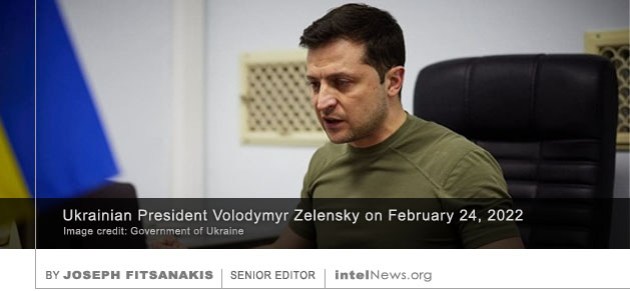 INFORMATION PROVIDED BY THE United States Central Intelligence Agency helped Kyiv foil two Russian plots against the life of Ukraine’s President, Volodymyr Zelenskyy, in the crucial early stages of the Russo-Ukrainian war, according to a new book. The claim is made in
 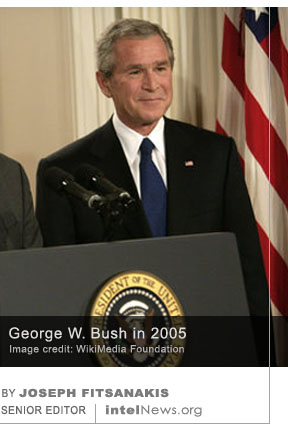 A TIP BY BELGIAN intelligence helped the Federal Bureau of Investigation foil a plot by Iraqi nationals to kill former United States President George W. Bush. American news outlets
 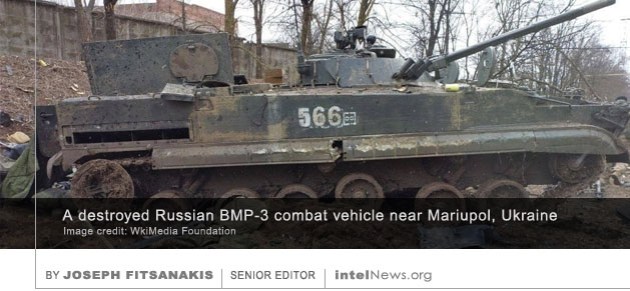 A WIDE ARRAY OF Russian military equipment, which has been falling in the hands of the Ukrainian forces since February 24, could prove a “goldmine” for American and other Western spy agencies, experts claim. As the war enters its third week, there are reports that the Ukrainian forces have captured numerous Russian command-and-control vehicles, as well as other logistical military equipment. Reports also suggest that a large array of Russian weapons systems have been falling into the hands of the Ukrainian armed forces and paramilitary units.
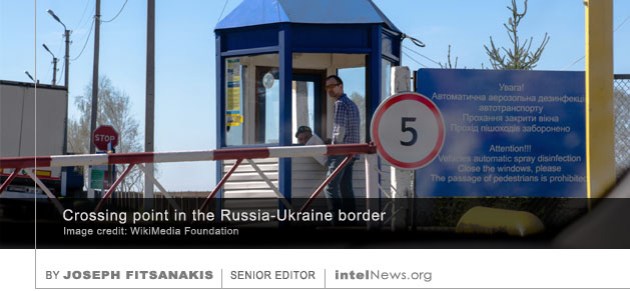 UKRAINE IS INCREASINGLY RELIANT on its close intelligence relationship with the United States, which has grown dramatically in depth and intensity since Russia’s annexation of Crimea in 2014, according to a new report. The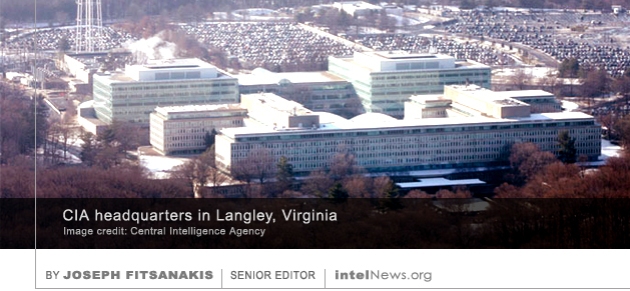
 THE INTELLIGENCE CHIEFS OF the United States, Japan and South Korea are to meet behind closed doors this week. The meeting will take place nearly two years after a major diplomatic spat between Japan and South Korea threatened to significantly harm intelligence cooperation between them. In November of 2019, the South Korean government threatened to terminate the General Security of Military Information Agreement (GSOMIA). The agreement was initiated in 2016 under American tutelage, with the aim of facilitating the sharing of intelligence between South Korea and Japan about North Korea’s missile and nuclear programs.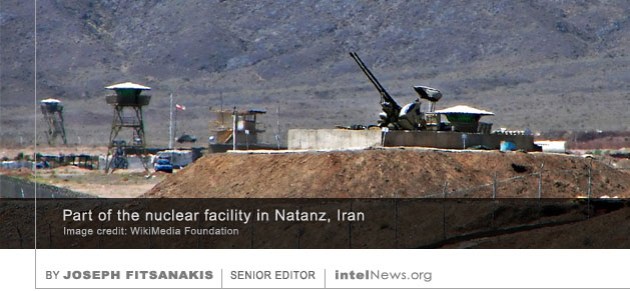
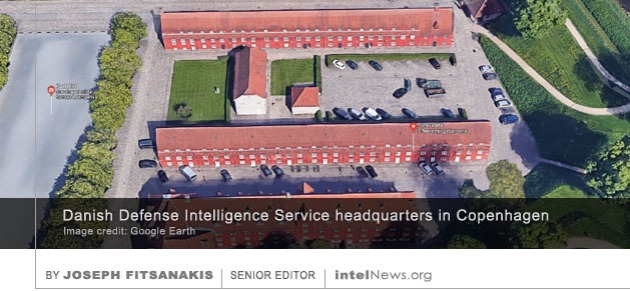 THE FIRST CLAIMS OF an alleged secret collaboration between the signals intelligence agencies of the United States and Denmark surfaced in November of 2020. By January of this year, it was clear that the Danish government would, sooner or later, need to deal with the fallout of its controversial spy deal with Washington, under which Denmark enabled the US to spy on some of its closest European allies. Still, the
 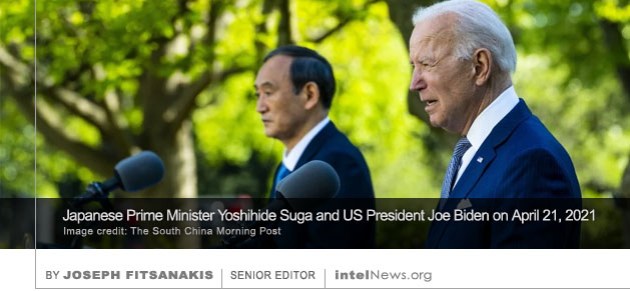 JAPAN’S AMBASSADOR TO AUSTRALIA has said he feels optimistic his country could join the Five Eyes intelligence alliance in “the near future”, adding to growing speculation on the topic. Japanese diplomat Shingo Yamagami, who has held the post of ambassador to Australia since late 2020,
  INTELLIGENCE COOPERATION BETWEEN THE United States and India has reached historic levels in the closing months of 2020, and is driven by the two countries’ mutual distrust of China. This development is particularly noteworthy for India, which has traditionally maintained a non-aligned stance in military and intelligence matters for much of its existence. New Delhi’s increasingly close relationship with Washington is
 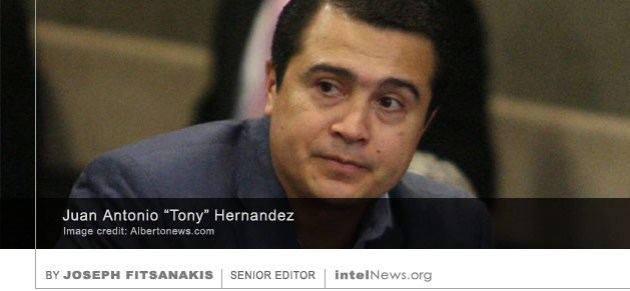 A PROPOSED MEMORANDUM OF understanding could enable the sharing of extremely sensitive intelligence between the United States and Honduras, as part of an effort by Washington to stop the impoverished Central American country from becoming a drug-trafficking stronghold. However, some in the US intelligence community are concerned that the sensitive intelligence given to the Honduran government may be passed on to the drug cartels by paid informants.






 intelNews.org
Intelligence tensions rock NATO as Danish government issues espionage advisory
January 26, 2026 by Joseph Fitsanakis 1 Comment
One British outlet cited an unnamed “senior NATO insider” who said that the current dispute between the US and Europe over Greenland is “creating tensions and distrust between European and US colleagues in NATO”. The source added that European and Canadian NATO staff are “not talking openly” with their US counterparts amid “growing concerns that information will make its way back to [US President Donald] Trump”.
At the same time, reports from the US suggest that the White House has ordered the Pentagon to “scale back” its participation from NATO’s force structure and a number of transnational advisory groups. European and Canadian military officials are reportedly interpreting these moves as “the latest sign of the Trump administration’s drive to scale back the US military presence in Europe”.
Meanwhile, the Danish government has issued multiple advisories to its military and civilian officials to disable all Bluetooth functions across both government-supplied and personal electronic devices, reportedly over concerns of intensified foreign surveillance targeting Denmark. The Danish Defense Intelligence Service (DDIS) issued an advisory to military personnel across Denmark and Greenland to deactivate all Bluetooth functions.
The Information Technology Department of the Danish National Police issued a similar advisory to its personnel, instructing them to keep all Bluetooth functions deactivated until further notice. The advisory warned that wireless accessories, including Bluetooth-reliant headsets from popular brands like Apple could function as potential entry points for eavesdropping and other forms of data interception by foreign powers.
► Author: Joseph Fitsanakis | Date: 26 January 2026 | Permalink
Filed under Expert news and commentary on intelligence, espionage, spies and spying Tagged with Danish National Police, DDIS (Denmark), Denmark, intelligence cooperation, intelligence sharing, NATO, News