Russia, Iraq, Iran, Syria, sign intel-sharing agreement against Islamic State
September 30, 2015 1 Comment
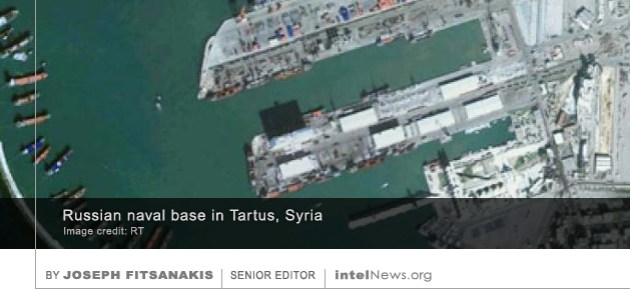 The governments of Russia, Syria and Iran have entered a formal intelligence-sharing agreement with Iraq, in an effort to defeat the Islamic State, it has been announced. Intelligence-sharing has been practiced for a while between Russia, Syria and Iran; but this is the first time that Iraq, an American ally, has entered the alliance. According to the Baghdad-based Iraqi Joint Forces Command, the agreement entails the establishment of a new intelligence-sharing center in the Iraqi capital. It will be staffed with intelligence analysts from all four participating countries, who will be passing on shared information to their respective countries’ militaries.
Iraqi officials said on Sunday that the intelligence-sharing agreement had been forged by Moscow, which was “increasingly concerned about the presence of thousands of terrorists from Russia undertaking criminal acts” as members of the Islamic State. The announcement of the agreement comes as Russia has been reinforcing its military presence in Syria, by deploying troops in Latakia. Security observers have interpreted the move as a strong message by the government of Russian President Vladimir Putin that it is prepared to safeguard the regime of Syrian President Bashar al-Assad. The latter also enjoys strong support from Iran, which has poured billions of dollars in aid to support the regime in Damascus, and has deployed hundreds of Hezbollah advisers and militia members in defense of Assad.
Speaking from Baghdad, Colonel Steve Warren, the American spokesman for the Western-led military campaign against the Islamic State, said that Washington was respectful of Iraq’s need to enter into security agreements with other regional governments. But he added that the US objected to the Syrian government’s role in the intelligence-sharing agreement, because it was “brutalizing its own citizens”. The US government has also protested against the Russian government’s expansion of its base in Tartus and its increased military presence in Latakia. But, according to Foreign Policy, US officials have privately expressed support for the move, saying that “it could, in the short term, help rein in the Islamic state”.
► Author: Joseph Fitsanakis | Date: 30 September 2015 | Permalink
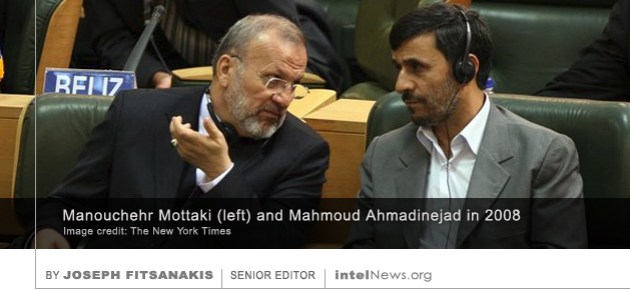 The United States National Security Agency spied on the Iranian president, foreign minister, and over 140 Iranian dignitaries who visited New York in 2007 to participate in the United Nations General Assembly. The allegation was
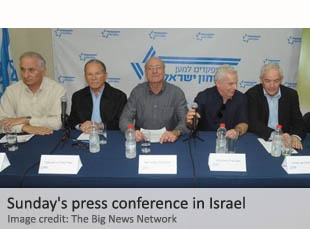
 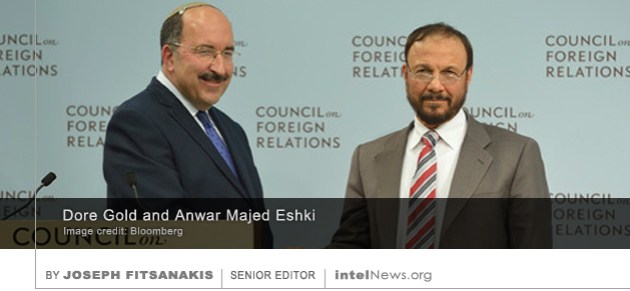 Representatives from Israel and Saudi Arabia have publicly admitted for the first time that they met secretly to discuss their common foe Iran, even though Saudi Arabia does not officially acknowledge Israel’s existence. The admission was made at a symposium held on Thursday at the Council on Foreign Relations, a foreign-policy think tank based in Washington, DC.
 By JOSEPH FITSANAKIS | intelNews.org







 intelNews.org
Iran, Hezbollah to launch ground assault on Syria rebels, says Reuters
October 2, 2015 by Joseph Fitsanakis Leave a comment
The Lebanese official told the news agency that hundreds of Iranian “soldiers and officers” had arrived in Syria in September. These forces “are not advisors”, said the source; rather, they have entered Syria “with equipment and weapons, specifically to participate in this battle. And they will be followed by more”, said the source, adding that some “Iraqis would also take part in the operation”, without specifying whether these would be regular troops or Iraqi Shiite militias. According to Reuters, the operation will be supported by Russian airstrikes and aims to recapture territory that is currently in the hands of various rebel groups, including the Free Syrian Army, Jabhat al-Nusra, and the Islamic State.
Last week it was reported that the governments of Russia, Iraq and Iran had entered a formal intelligence-sharing agreement with Syria, in an effort to defeat the forces fighting against the regime of Syrian President Bashar al-Assad. According to the Baghdad-based Iraqi Joint Forces Command, the agreement entails the establishment of a new intelligence-sharing center in the Iraqi capital. It will be staffed with intelligence analysts from all four participating countries, who will be passing on shared information to their respective countries’ militaries. The announcement of the agreement came as Russia continued to reinforce its military presence in Syria by deploying troops in Latakia.
► Author: Joseph Fitsanakis | Date: 2 October 2015 | Permalink
Filed under Expert news and commentary on intelligence, espionage, spies and spying Tagged with 2011 Syrian uprising, Hezbollah, Iran, News, Russia, Syria