News you may have missed #846
July 17, 2013 3 Comments
 By IAN ALLEN | intelNews.org |
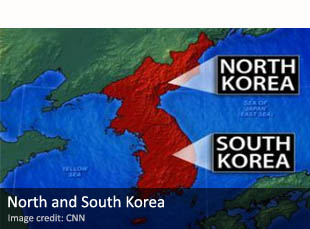
►►Cuba confirms it hid weapons on seized N. Korean ship. Cuba has admitted being behind a stash of weapons found on board a North Korean ship seized in the Panama Canal. The ship was seized by Panama last week after “undeclared military cargo” was found hidden in a shipment of sugar. United Nations sanctions prohibit the supply of arms to North Korea in the continuing dispute over its nuclear program. But the Cuban foreign ministry said the ship was carrying “obsolete arms” from Cuba “for repair” in North Korea.
►►British undercover officers stole identities of dead children. Britain’s Metropolitan Police Service, which is responsible for policing most of the city of London, has admitted that its undercover police officers expropriated the identities of at least 43 dead children. But police officials refused to inform the children’s families at the time, saying the practice was considered “essential to protect covert officers who were working inside dangerous extremist groups”.
►►Snowden has ‘thousands’ of damaging NSA documents. The Guardian’s Glenn Greenwald, who first reported on the disclosures of former CIA employee Edward Snowden, has said that the self-styled whistleblower has “literally thousands of documents” in his possession, which are essentially an “instruction manual for how the NSA is built”. The information could allow someone to evade or mimic NSA surveillance tactics, the journalist said.










 intelNews.org
UK police to end 24/7 surveillance of embassy that houses WikiLeaks founder
October 14, 2015 by Joseph Fitsanakis 2 Comments
Acting on a request from the Swedish government, London’s Metropolitan Police Service, known informally as Scotland Yard, has been patrolling the streets around the embassy 24 hours a day, in order to prevent Assange from being smuggled out of the building by Ecuadorean officials. Standard diplomatic protocol prevents British authorities from entering the embassy, which is technically considered Ecuadorean territory.
On Monday, however, the Metropolitan Police said they would cease their 24/7 patrols around the Ecuadorean embassy, which is located in London’s fashionable Knightsbridge district. According to a police official, constant physical surveillance of the embassy was “no longer proportional” to Assange’s charges, which meant that Scotland Yard would be unable to continue “to commit officers to a permanent presence”. The official said that the decision had been taken after consultation with the British Home Office, and that the reasons for the change in policy were primarily financial. According to reports by the British government, the intensive monitoring of the Ecuadorean embassy has cost the British taxpayer in excess of £11 million, which amounts to nearly $18 million. The resulting strain on policing resources has prompted some British politicians to dismiss Scotland Yard’s operation as a misuse of taxpayer funds.
However, Scotland Yard said it would substitute overt physical surveillance of the Ecuadorean embassy with “a number of overt and covert tactics to arrest” Assange if he tries to leave the building. It did not elaborate on that statement. Last summer, the Swedish government dropped three of the four charges against the WikiLeaks founder. The remaining charge is expected to expire in August 2020.
► Author: Joseph Fitsanakis | Date: 14 October 2015 | Permalink
Filed under Expert news and commentary on intelligence, espionage, spies and spying Tagged with Ecuador, Ecuadorean embassy in the UK, Julian Assange, London Metropolitan Police, News, Scotland Yard, UK, Wikileaks