Ex-CIA analyst says North Korea will launch strikes against South
April 5, 2013 11 Comments
 By IAN ALLEN | intelNews.org |
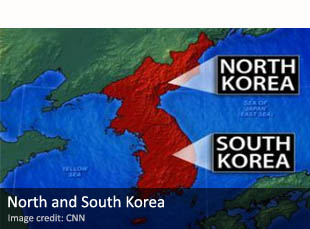
A former senior analyst on North Korea at the United States Central Intelligence Agency believes that the communist state will launch limited strikes against the South before moving to de-escalate the ongoing crisis in the Korean peninsula. On March 27, Pyongyang announced it was withdrawing from the Korean Armistice Agreement, which it signed along with the United Nations and China at the end of the Korean War, in 1953. Shortly afterwards, North Korea closed all border connections with the South and disconnected the direct telephone line linking it with Seoul. It subsequently declared that it would not hesitate to launch a preemptive nuclear strike against South Korea and the United States. Pyongyang heightened its rhetoric in response to Key Resolve/Foal Eagle, a two-month-long military exercise involving US and South Koran armed forces, which includes the deployment of nuclear-armed airplanes and ships. Although some expert observers are worried, few believe that the rhetorical boxing-match between the two Koreas will result in an outbreak of hostilities. But Columbia University Professor Sue Mi Terry, who headed the CIA’s North Korea analysis unit from 2001 to 2008, believes that Pyongyang will launch military strikes against Seoul before de-escalating the tension. Speaking to Wired magazine’s Danger Room blog, Terry noted that the attack will not be nuclear, nor will it involve mass use of military force. Instead, it will be “a relative small attack” that “won’t leave many people dead”, she said. Read more of this post







 By IAN ALLEN | intelNews.org |










 intelNews.org
French spy agency forced Wikipedia volunteer to delete entry
April 9, 2013 by Joseph Fitsanakis 3 Comments
A French intelligence agency forced a volunteer for online open-source reference site Wikipedia to delete n entry that allegedly contained classified information about French nuclear defense systems. According to the Wikimedia Foundation, which publishes Wikipedia, the entry describes a radio relay system located at Pierre-sur-Haute military radio station in south-central France. Operated by the French Air Force, the station is said to have a central role in transmitting the order to launch France’s nuclear missiles in case of a full-scale thermonuclear war. The French-language Wikipedia webpage —which has since been fully restored— mentions, among other things, that the radio masts at Pierre-sur-Haute are designed to withstand the type of shockwave experienced in a thermonuclear attack. According to the Wikimedia Foundation, it was approached in early March, 2013, by the Direction Central du Renseignement Interieur (DCRI), which is tasked with domestic security and counterintelligence. The agency asked the Wikimedia Foundation to delete the entire webpage referring to the Pierre-sur-Haute military radio station, because it said it contravened French national security law. The Wikimedia Foundation, however, refused to comply with the request unless it was accompanied with either a court order or concrete information explaining why the Pierre-sur-Haute revelations were a threat to French national security. The DCRI reportedly backed down, promising to return with a formal justification for its request. However, instead of doing so, it contacted a French-based Wikipedia volunteer, who was summoned to the DCRI’s office under threat of legal action. Read more of this post
Filed under Expert news and commentary on intelligence, espionage, spies and spying Tagged with DCRI (France), France, French Air Force, government secrecy, Internet, News, Pierre-sur-Haute, Pierre-sur-Haute military radio station, radio communications, Wikipedia