COVID-19 is changing the map of cyber-crime activity, says British spy agency
November 5, 2020 Leave a comment
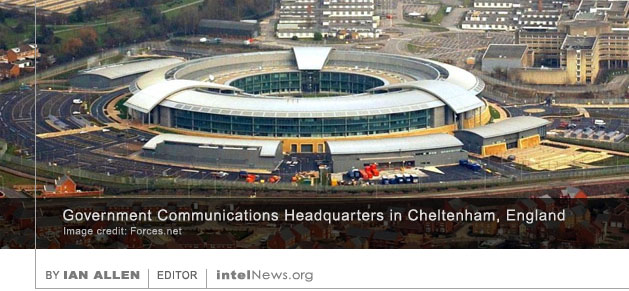
THE CYBER-SECURITY BRANCH of Britain’s signals intelligence agency has said in a new report that the coronavirus pandemic is changing the map of cyber-crime by illicit actors, including state-sponsored hackers. The unclassified report was released on Tuesday by the National Cyber Security Centre (NCSC), which is the cyber-security branch of the Government Communications Headquarters (GCHQ). Founded over a century ago, the GCHQ is responsible for, among other things, securing the communications systems of the British government and the country’s armed forces.
In its latest Annual Review, the NCSC warns that “criminals and hostile states” are exploiting the COVID-19 pandemic in order to challenge the national security of Britain and its allies. In an introductory note included in the report, NCSC director Jeremy Fleming says that the balance of cyber-threats has changed in 2020 as a result of the pandemic. According to the report, British cyber-security agencies saw a 10% rise in serious cyber-threat incidents in 2020. More than a third of these incidents were related to COVID-19, and many targeted Britain’s healthcare sector.
The report suggests that attacks against the British National Healthcare Service and vaccine research facilities constitute a rapidly emerging cyber-espionage risk. The majority of these attacks were carried out by state-sponsored actors, including Advanced Persistent Threat (APT) 29, which is also known as “Cozy Bear” and “The Dukes”. According to Western intelligence services, APT29 is a Russian state-sponsored cyber-espionage outfit, which has been known to target facilities involved in the development of coronavirus-related vaccines.
Other cyber-threat actors have no connections to foreign governments, but are instead motivated by profit. The NCSC said it had managed to disrupt over 15,000 campaigns by cyber-criminals to use coronavirus as a bait in order to trick unsuspecting Internet users into downloading malicious software or providing personal information online. Some cyber-criminal networks contacted clinics and other businesses who were in desperate need of personal protective equipment, coronavirus testing kits, and even purported cures against the virus, said the NCSC. Some of these unsuspecting victims were offered fictitious quantities of coronavirus-related equipment, which were never delivered.
► Author: Ian Allen | Date: 05 November 2020 | Permalink
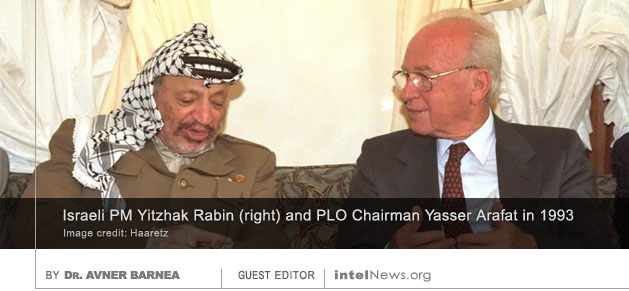
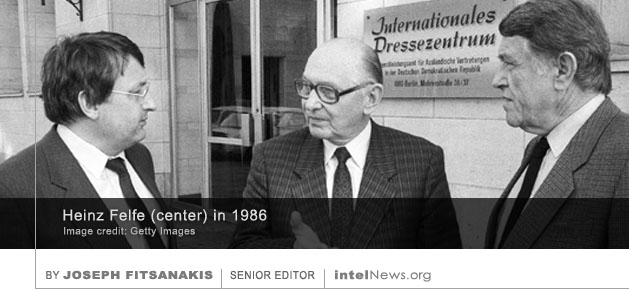 THE SOVIET UNION INFLICTED incalculable damage to West German spy agencies —and by extension to their American patrons— by recruiting dozens of former Nazis who populated the ranks of West German intelligence after World War II. These are the preliminary conclusions of a study into the topic by Danny Orbach, a lecturer in history at Hebrew University in Jerusalem, which relies on recently declassified documents from American and German intelligence agencies.
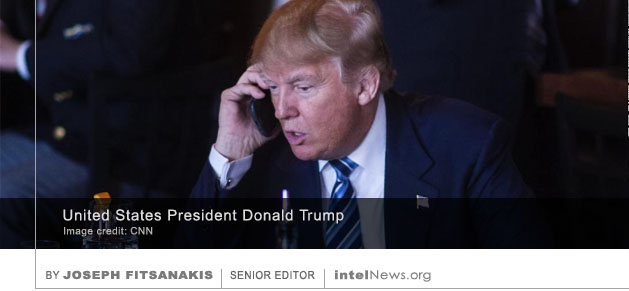 IF RE-ELECTED IN NOVEMBER, United States President Donald Trump has laid out plans to replace the secretary of defense, as well as the directors of the Federal Bureau of Investigation (FBI) and the Central Intelligence Agency (CIA), according to a new report. The website Axios, which

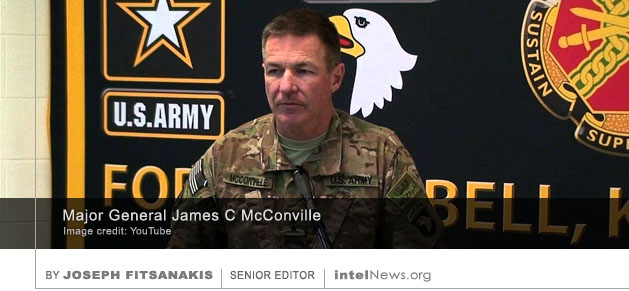 Senior United States military officials, including the chief of staff of the Army, have said no plans are currently in place for the country’s armed forces to have a domestic security role in next month’s elections. America is preparing for one of the most contentious and tense elections in its recent history, in which Republican President Donald Trump is facing a challenge by Democratic contender Joe Biden. Many observers have








 intelNews.org
Austrian government signals major overhaul of spy service, following Vienna attack
November 6, 2020 by Joseph Fitsanakis Leave a comment
The gunman was later identified as Kujtim Fejzulai, an Austrian citizen of Albanian extraction, who was born in North Macedonia and held citizenship there too. The shooter was known to Austrian authorities, as he had been previously convicted of trying to travel to Syria to join the Islamic State. He had been imprisoned as an Islamic radical, but had been released after allegedly duping Austrian judges, who believed he had reformed.
In the days following the attack, it emerged that Slovakian authorities had notified Austrian security agencies in July that Fejzulai had tried to purchase ammunition in Slovakia. On Wednesday, Austria’s Director General for Public Security, Franz Ruf, said that Austrian intelligence authorities “sent questions back to Bratislava”, but then there had been a “breakdown” in the system. Austrian Minister of the Interior Karl Nehammer added that “something apparently went wrong with the communication in the next steps”.
Nehammer and others, including Austrian Vice Chancellor Werner Kogler, called for the establishment of an independent commission to examine the Fejzulai case and “clarify whether the process went optimally and in line with the law”. The Austrian Chancellor, Sebastian Kurz, said on Thursday that the country did not have “all the legal means necessary to monitor and sanction extremists”, adding that he would initiate the creation of a panel that would supervise a “realignment” of the intelligence agencies. He was referring to the Office for the Protection of the Constitution and Counterterrorism, known by the initials BVT. He did not provide details.
► Author: Joseph Fitsanakis | Date: 06 November 2020 | Permalink
Filed under Expert news and commentary on intelligence, espionage, spies and spying Tagged with Austria, BVT (Austria), counterterrorism, Franz Ruf, intelligence reform, News