Germany probes second case of intelligence officer who spied for US
July 10, 2014 Leave a comment
 By JOSEPH FITSANAKIS | intelNews.org
Just days after announcing the arrest of an intelligence officer on charges of spying for the United States, German authorities say they are investigating a second individual on suspicion of espionage. Federal prosecutors said yesterday that the individual in question is a German citizen and is under “initial suspicion of activity for an intelligence agency” of a foreign country. They refused to provide further information and added that an arrest had not yet been made. But German newspaper Süddeutsche Zeitung said on Wednesday that the subject of the investigation is suspected of spying for the United States. The news comes less than a week after an officer of the BND, Germany’s main external intelligence organization, was found to have allegedly spied for the US Central Intelligence Agency for over two years. According to Süddeutsche’s sources, the second suspect works for Germany’s Federal Ministry of Defense. German newsmagazine Der Spiegel reported that the unnamed individual specializes in “global security policy” and that he came under the suspicion of Germany’s military counterintelligence agency because of his “close proximity to alleged American intelligence operatives”. Later on Wednesday, German federal government spokesman Steffen Seibert confirmed that Berlin had opened “investigations in two cases of suspected espionage, on very serious suspicions”. Seibert refused to elaborate, but added that police had raided a number of properties in the German capital. Meanwhile, Germany’s Minister for Foreign Affairs, Frank-Walter Steinmeier, told the Saarbrücker Zeitung that he failed to understand why Washington would want to spy on his country. “We talk to each other all the time, and no side keeps its views secret”, he told the Saarland-based newspaper. “The attempt to use conspiratorial tactics to find out about Germany’s position is not simply unseemly, it is unnecessary”. But an unnamed former senior intelligence official, who has liaised extensively with the BND, protested to The Washington Post that “the Germans do lots and lots of stuff and don’t tell us everything they do”. Read more of this post


















‘Diplomatic earthquake’ as Germany halts spy cooperation with US
July 11, 2014 by Joseph Fitsanakis Leave a comment
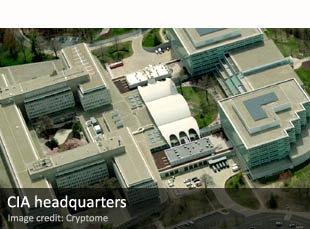
The German government has instructed its intelligence agencies to limit their cooperation with their American counterparts “to the bare essentials” until further notice, according to media reports. The move follows news that Berlin requested on Thursday the immediate removal from Germany of the United States Central Intelligence Agency chief of station —essentially the top American intelligence official in the country. The request came after two German citizens, one working for the BND, Germany’s main external intelligence organization, and one working for the country’s Federal Ministry of Defense, were allegedly found to have been secretly spying for the US. German media reported on Thursday that the temporary halt in Berlin’s intelligence collaboration with Washington applies across the spectrum, with the exception of areas directly affecting tactical security concerns for Germany, such as the protection of its troops in Afghanistan, or defending against immediate terrorist threats. Sources in the German capital claimed that the removal of the CIA station chief was technically a “recommendation for his departure”, and did not constitute an official diplomatic expulsion. However, German observers described the incident as a “diplomatic earthquake”, which would have been unthinkable as a policy option for the German government, barring actions against “pariah states like North Korea or Iran”. This is not the first time an American intelligence officer has been asked to leave Germany. Berlin expelled another CIA officer in the 1990s, after it emerged that the American intelligence Agency had tried to recruit a German official at the Federal Ministry for Economic Affairs. However, unlike the current imbroglio, the previous spy affair was handled discretely and with almost no media fanfare, as is customary among allies. The decision to recommend the CIA station chief’s removal was reportedly made at a senior governmental level, following a “fruitless” telephone exchange between CIA Director John Brennan and Klaus-Dieter Fritsche, the coordinator between the German Chancellery and the BND. According to German newsmagazine Der Spiegel, Brennan offered Fritsche no apology and had “nothing to contribute other than clichés about transatlantic ties”, as well as his expressed irritation about the way the media were handling the incident. Read more of this post
Filed under Expert news and commentary on intelligence, espionage, spies and spying Tagged with BND, CIA, CIA Berlin station, counterintelligence, diplomatic expulsions, espionage, German Ministry of Defense, Germany, intelligence cooperation, Klaus-Dieter Fritsche, News, United States