Blasts target Iranian nuclear scientists, killing one [updated]
November 29, 2010 1 Comment

Shahriari's car
By JOSEPH FITSANAKIS | intelNews.org |
Teams of unknown assailants chose the first day of the WikiLeaks diplomatic revelations to attack two senior Iranian nuclear scientists in capital Tehran, managing to kill one of them. While the world is preoccupied with the WikiLeaks releases of United States diplomatic cables, two teams of motorcyclists, each consisting of a driver and a backseat rider, targeted the two scientists during the morning rush hour in Tehran, as they were driving to work with their wives in their cars. They attached small bombs to the car windows of their targets and detonated them from a relatively safe distance before speeding away through heavy traffic. The attackers managed to kill Dr. Majid Shahriari, a senior nuclear researcher and prominent professor at the Shahid Beheshti University in the northern suburbs of Tehran, who had taught at the Iranian armed forces’ Supreme National Defense University. Dr. Shahriari’s wife was injured in the attack. A separate bomb attack injured Dr. Fereydoon Abbasi Davan, who also teaches at Shahid Beheshti, and is described in Iranian media reports as “one of a handful of [Iranian] experts who are able to isolate isotopes” for the purpose of manufacturing uranium required for both nuclear energy and weapons. Read more of this post


Some underreported WikiLeaks revelations
November 30, 2010 3 Comments
WikiLeaks
By JOSEPH FITSANAKIS | intelNews.org |
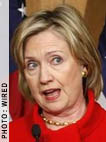
There is little point in recapping here the bulk of disclosures contained in the ongoing WikiLeaks revelations. The news sphere is jam-packed with them —and perhaps this is the real story in the WikiLeaks revelations, namely the fact that espionage and intelligence issues have near-monopolized the global news cycle for the first time since the post-Watergate Congressional investigations of the 1970s. But it is worth pointing out a handful of news stories on the WikiLeaks revelations that have arguably not received the media coverage that they deserve. Undoubtedly the most underreported disclosure concerns a 2007 meeting between US officials and Meir Dagan, the then Director of Israel’s Mossad intelligence agency. During the meeting, Dagan apparently “presented US with five-step program to perform a coup in Iran“. But there are other underreported disclosures. Take for instance the revelation that US Secretary of State Hillary Clinton personally authorized US diplomats to engage in all-out and indiscriminate spying on senior United Nations officials. Although there is nothing here that will surprise seasoned intelligence observers, the breadth of intelligence collection that US diplomats are instructed to engage in (which includes collecting credit card numbers and biometric data of UN officials) is astonishing and certainly unprecedented. Moreover, it should be noted that many senior UN officials are in fact American, which leads to the intriguing question of whether US diplomats are routinely required to engage in intelligence collection against American UN officials. Read more of this post
Filed under Expert news and commentary on intelligence, espionage, spies and spying Tagged with Afghanistan, biometrics, Bolivia, coup plots, DEA, declassification, espionage, Germany, government secrecy, Hillary Clinton, Iran, Israel, Julian Assange, Khaled El-Masri, Meir Dagan, News, secret meetings, Syria, torture, United Nations, United States, USAID, whistleblowing, Wikileaks