Moscow denies knowledge of alleged Russian spy ring busted in Texas
October 5, 2012 4 Comments
 By JOSEPH FITSANAKIS | intelNews.org |
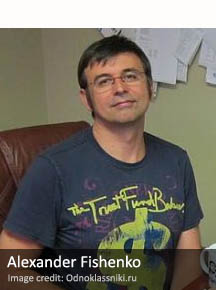
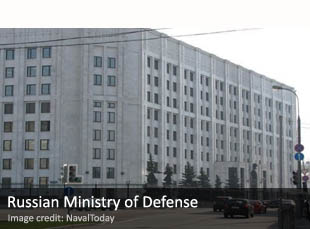
Government officials in Moscow have denied knowledge of an alleged Russian spy ring, which is accused by United States authorities of procuring sensitive microelectronics technology on behalf of the Russian military. Early on Wednesday morning, the Federal Bureau of Investigation conducted pre-dawn raids at several locations in Houston, Texas, and arrested eight members of the alleged spy ring. Four of the arrestees are allegedly Russian citizens, while the remaining five are from Kazakhstan, Azerbaijan and Ukraine. Four are naturalized American citizens. They include Alexander Fishenko, chief executive officer of Apex System LLC, which is accused by the FBI of having exported over $50 million in dual-use microelectronic devices to Russia since 2008. US federal prosecutors allege that three more spy-ring members are currently in Moscow; they include Yuri Savin, Director of Marketing at a company called Artrilor, which is said to have been at the receiving end of Apex System’s export operations. According to the indictment, Arc Electronics told its US suppliers that the microelectronics technologies were intended for use in various types of streetlights. But in reality, said the FBI, the company gave the hi-tech supplies to the Russian Ministry of Defense for use in airborne surveillance systems, as well as in remote weapons guidance systems, among other military applications. The FBI says it has in its possession extensive audio intercepts of the suspects communicating with Russian intelligence, as well as conferring among them about how to hide incriminating documents from US federal authorities. But Sergei Ryabkov, Russia’s Deputy Minister of Foreign Affairs, told Russian reporters on Thursday that the charges against the 11 individuals were “of a criminal nature” and had “nothing to do with intelligence activity”. Read more of this post







 By IAN ALLEN | intelNews.org |










Belgium suspends senior diplomat on suspicion of spying for Russia
October 8, 2012 by Joseph Fitsanakis 3 Comments
The Belgian government has admitted suspending one of its senior diplomats following allegations in the press that he had spied for the Soviet Union and Russia for over two decades. According to Flemish-language Belgian magazine MO, the diplomat, identified only as “O.G.”, has been “suspended in the interest of the [Belgian diplomatic] service” and is currently under investigation by the Office of the Federal Prosecutor. Citing “sources in the Belgian State Security Service”, the SV/SE, the article said the subject was stationed at the Belgian embassy in Danish capital Copenhagen when he was recalled to Brussels late last year. The man is said to have spent nearly three decades as an employee of the Belgian Ministry of Foreign Affairs, having served in several Belgian embassies and consulates in Japan, India, Algeria, Nigeria, Portugal, and the United States, prior to arriving in Denmark. However, according to the MO article, he was accosted by the Soviet KGB in the late 1980s, shortly after he arrived at the Belgian embassy in Tokyo, Japan, for his first-ever diplomatic posting. Since that time, said the magazine, “O.G.” has spied for the KGB and its successor, the SVR, having stayed in contact with “several different Russian handlers”. Prior to 2011, when he ceased contact with Russian intelligence, the Belgian diplomat was allegedly tasked with providing the FSB with information that could be used to concoct false identities belonging to deceased Belgian citizens. The Russians would then use these identities to supply their intelligence operatives with high-quality Belgian identity papers and travel documentation. Late last week, another Belgian publication, The EU Observer, contacted the Belgian Foreign Ministry to inquire about “O.G.”. A Ministry spokesperson told the paper: “we can confirm that an official from our ministry was suspended from his functions a bit over one year ago, following indications of a security breach”. Read more of this post
Filed under Expert news and commentary on intelligence, espionage, spies and spying Tagged with Belgian embassy in Denmark, Belgian Ministry of Foreign Affairs, Belgium, counterintelligence, Denmark, diplomacy, espionage, KGB, News, Russia, SV/SE (Belgium), SVR (Russia)