British agency spies on foreign diplomats’ hotel reservations
November 18, 2013 Leave a comment
 By JOSEPH FITSANAKIS | intelNews.org
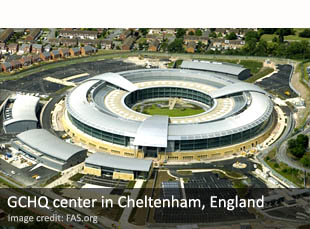
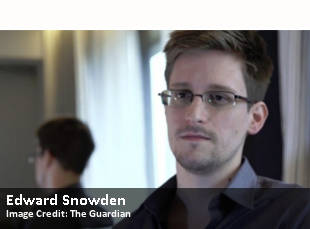
Britain’s signals intelligence agency operates a system that monitors the hotel bookings of international diplomats and foreign government officials around the world, according to information published on Sunday. German newsmagazine Der Spiegel said the revelation came from the personal archive of American intelligence whistleblower Edward Snowden, who has been offered political asylum in Russia. In an article published last weekend, the magazine said the classified program is codenamed ROYAL CONCIERGE, and it is operated by the United Kingdom’s Government Communications Headquarters (GCHQ). The classified documents allegedly show that ROYAL CONCIERGE was launched on an experimental basis in 2010; the program was apparently “so successful” that it was approved for “further development” by GCHQ’s intelligence planners. Since that time, the British signals intelligence agency has been able to compromise the booking systems of at least 350 high-end hotels around the world, which are frequented by international diplomats and foreign government officials. As soon as a room booking is confirmed by an email to an account in a governmental Internet domain, GCHQ receives an alert, allowing it to know the name and arrival details of the guest(s). This information, says Der Spiegel, enables the British “technical operations community” to target the hotel guests according to the intelligence requirements set out by the British government. In some cases, the hotel room’s telephone and fax machine are monitored, while unsuspecting hotel guests have their computers and personal cellphones targeted by GCHQ. Read more of this post








 intelNews.org
News you may have missed #859
December 12, 2013 by Ian Allen Leave a comment
►►Some fear terrorists are exploiting online computer games. American and British spies have infiltrated the fantasy worlds of World of Warcraft and Second Life, conducting surveillance and scooping up data in the online games played by millions of people across the globe, according to documents disclosed by the former National Security Agency contractor Edward J. Snowden. The documents show that intelligence operatives fear that terrorist or criminal networks could use the games to communicate secretly, move money or plot attacks.
►►Niger’s president says Libya risks becoming like Somalia. Libya risks becoming a failed state like Somalia, Niger President Mahamadou Issoufou said last week, a day after gunmen shot dead an American teacher in the eastern city of Benghazi. “Our fear is that Libya falls into the hands of Salafist terrorists and that the state becomes like Somalia”, Issoufou told reporters ahead of a Franco-African summit in Paris. His country adjoins Libya to the south and has fought Islamists at home.
►►Secret memos show British spies’ efforts to keep Cyprus base. Heavily redacted documents show how determined British security and intelligence agencies –including GCHQ, Britain’s signals intelligence agency– were to maintain an effective presence in Cyprus after the strategically important island became independent in 1960. The files also reveal that Archbishop Makarios, the Greek Cypriot leader who became the first president of Cyprus when the island gained independence in August 1960, agreed not only to the UK bases but to British help in setting up his country’s own security and intelligence agencies.
Filed under Expert news and commentary on intelligence, espionage, spies and spying Tagged with 0 Niger's president says Libya risks becoming like Somalia, 0 Secret memos show British spies’ efforts to keep Cyprus base, 0 Some fear terrorists are exploiting online computer games, Africa, Archbishop Makarios, computer gaming, Cyprus, Edward Snowden, GCHQ, Libya, Mahamadou Issoufou, News, news you may have missed, Niger, UK, video games