News you may have missed #581
September 1, 2011 Leave a comment
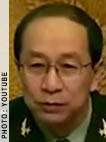
Jin Yinan
►►CIA wants to censor book by ex-FBI agent. The agent, Ali H. Soufan, argues in the book that the CIA missed a chance to derail the 9/11 plot by withholding from the FBI information about two future 9/11 hijackers living in San Diego. He also says that torture interrogation methods against terrorism detainees were unnecessary and, ultimately, counterproductive. Both these things are known and have been publicly discussed. As The Independent correctly notes, the CIA’s objections are “less for national security reasons than out of a desire to avoid re-airing incidents that show the Agency in an unflattering light”.
►►New scandal at India’s SIGINT agency. The Indian government founded the National Technical Research Organisation (NTRO) in 2004, as a potential communications nerve center for all of India’s intelligence agencies. But the SIGINT agency has been involved in one financial scandal after the other, most recently relating to an elaborate procurement scam.
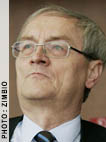
►►China silent about spy lecture leak. China has remained quiet as a recently leaked video of a Chinese general’s candid remarks on sensitive spying cases continued to draw international attention. The ministries of defense and foreign affairs have not responded to media inquiries, and numerous phone calls to National Defense University, where the general, Jin Yinan (pictured), teaches, went unanswered. State media made no mention of the story.












Ex-Bush official advised Gaddafi until early August, documents show
September 2, 2011 by Joseph Fitsanakis 2 Comments
Libya
By JOSEPH FITSANAKIS | intelNews.org |
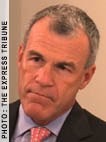
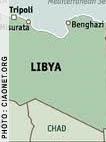
Intelligence documents found at the headquarters of Libya’s abandoned spy agency appear to show that the regime of Muammar al-Gaddafi enjoyed the support of an American diplomat who served in the Bush administration. Al Jazeera reports that David Welch, who was Assistant Secretary of State for Near Eastern Affairs in the US Department of State between 2005 and 2008, met on August 2 with Gaddafi officials in the Four Seasons Hotel in Cairo, Egypt. According to a Libyan intelligence memo from the meeting, Welch, who now works for Bechtel Corporation, gave the Gaddafi officials tips on how “to win the propaganda war” against the rebel National Transitional Council (NTC). He also instructed them to undermine Libya’s rebel movement by relying on several “confidence-building measures”, including controlled intelligence leaks aimed at manipulating the news output of Arab and Western media. The documents also reveal that Gaddafi maintained spies at the highest echelons of the rebel council, and that at least one of these spies offered to assassinate rebel leaders by “poisoning their food and water”. However, despite maintaining an ample amount of informants inside the NTC, the Gaddafi regime found it difficult to collect reliable and actionable intelligence during the civil war. Characteristically, many of the names of NTC’s central figures are misspelled in intelligence field reports, and one intelligence analyst complained recently that “the majority of those currently working for the intelligence administration are ill-prepared to carry out intelligence duties”. Despite these shortcomings, however, Gaddafi’s spies inside the NTC appear to have managed to intercept a large number of telephone messages and confidential emails between the NTC and foreign diplomats. Read more of this post
Filed under Expert news and commentary on intelligence, espionage, spies and spying Tagged with 2011 Libyan civil war, Bechtel Corporation, Bush Administration, David Welch, France, Kuwait, Libya, Libyan National Transitional Council, News, Qatar, Sudan, United Arab Emirates, weapons smuggling