New paper sheds light on Russian and Chinese influence in Italy
August 18, 2022 3 Comments
 A NEW PAPER, PUBLISHED by the United Kingdom’s Royal United Services Institute (RUSI) for Defence and Security Studies, sheds light the complex relationship between Italy and the West’s two principal adversaries, Russia and China. Italy is a major global economic power. It is a prominent member of the Group of Seven (G7), which collectively account for more than 50 percent of global net wealth. It is also a member of the North Atlantic Treaty Organization (NATO) and the European Union (EU).
Despite —or perhaps because of— its central place in the Western alliance, Italy has long been a leading advocate for cooperation and dialogue between the West and Russia. In 2019, it became the first G7 member and the first major European Union power to sign a Memorandum of Understanding with China on Beijing’s Belt and Road Initiative. Additionally, the Italian private sector has been far more hesitant than those of other Western countries to abandon Russia following its invasion of Ukraine, with only a single Italian company having completely exited the Russian market since February of this year.
According to two Italian researchers, RUSI Senior Associate Fellow Raffaello Pantucci, and Eleonora Tafuro Ambrosetti, of the Italian Institute for International Political Studies (ISPI), Italy’s cooperative attitude toward China and Russia has led some to accuse Rome of being a “Trojan horse in Europe”. But in their research paper published by RUSI earlier this week, Pantucci and Ambrosetti argue that the reality is far more complex, especially in the case of Italian-Russian relations. They point out that Italy has, in fact, been a leading voice in favor of the imposition of harsh sanctions on Moscow in response to its invasion of Ukraine. Currently the Italian state is actively seeking to disengage its energy-import sector from Russia.
Strategy of Engagement
The research paper, entitled “Russian and Chinese Influence in Italy”, argues that Italy’s tendency to “hedge between its close transatlantic ties and its longstanding connections with Moscow and Beijing” is not new. In fact it reflects a longstanding Italian strategy, which tends to remain relatively constant and “does not change according to the political color of the government in charge” in Rome. As a result, Italy’s relations with Russia and China “show a roughly consistent pattern” in the post-Cold War era, as Rome is largely oriented “toward engagement” with both Moscow and Beijing. Read more of this post
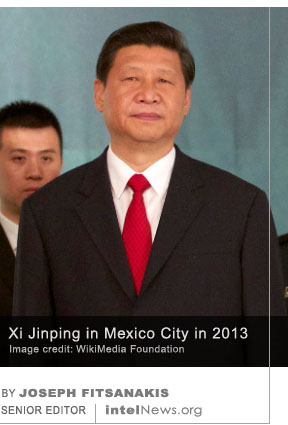 INTELLIGENCE OBSERVERS OFTEN REFER to the Communist Party of China (CPC) as “the world’s largest secret society”. Barring brief periods of relative openness in the late 1990s and early 2000s, the closed decision-making system of the CPC has presented Western intelligence analysts with cascading intractable enigmas for over half a century. This problem has become even more pressing under the decade-long leadership of Xi Jinping, during which the imposition of rigorous counterintelligence measures have turned China into a text-book hard intelligence target.
 social media, to social-science-based quantitative studies. Sverdrup-Thygeson and Stenslie explain that the two extremes of Beijingology are invariably disconnected from what is actually happening on the ground in China, and are thus of limited value.
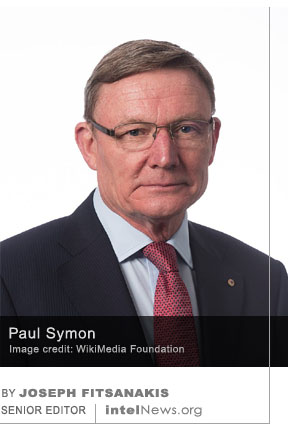 AUSTRALIAN INTELLIGENCE MUST recruit foreign spies with more urgency than at any time since the opening years of the Cold War, according to the head of Australia’s main foreign intelligence agency. Paul Symon, director of the Australian Secret Intelligence Service (ASIS), was speaking at a public event to mark the 70th anniversary of the organization’s history. It was a rare public speech by the head of Australia’s secretive main foreign intelligence service.
 AUSTRALIAN INTELLIGENCE HAD A role in the mysterious disclosure of a secret memorandum about a controversial defense pact between China and the Solomon Islands, which is causing consternation in the West. Western leaders claim that the pact will turn the tiny Melanesian nation into a logistical hub for Chinese warships in a strategic region of the Pacific Ocean. The pact also stipulates a training role for Chinese police and military personnel, who are called to “assist […] in maintaining social order” in the island nation.
 CHINESE STATE-OWNED MEDIA has stepped up warnings of an alleged Western espionage offensive, to mark China’s annual “national security education day”, a new initiative promoted by the Chinese Communist Party (CPC). The decision to designate April 15 “national security education day” was adopted by the CPC in 2015, during its 12th National People’s Congress. Since then, the Chinese government has promoted the day as an effort to create a “positive atmosphere of national security” across the nation.
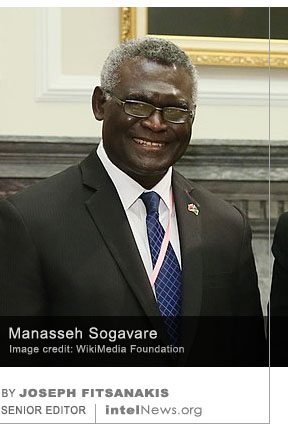 A LEAKED PLAN FOR a security alliance between China and the small Melanesian nation of the Solomon Islands has sparked concerns about a large-scale military buildup by regional powers in the South Pacific. The draft agreement, which was leaked online last week, appears to turn the Solomon Islands into a logistical hub for Chinese warships. It also stipulates a training role for Chinese police and military personnel, who are called to “assist […] in maintaining social order” in the island nation.
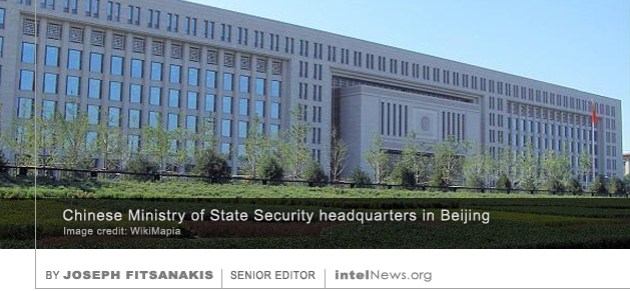 AUTHORITIES IN THE UNITED States have indicted five members of an alleged spy ring for the Chinese Ministry for State Security (MSS), who engaged in sabotage, bribing, harassment, intimidation and entrapment operations. The Federal Bureau of Investigation (FBI)
 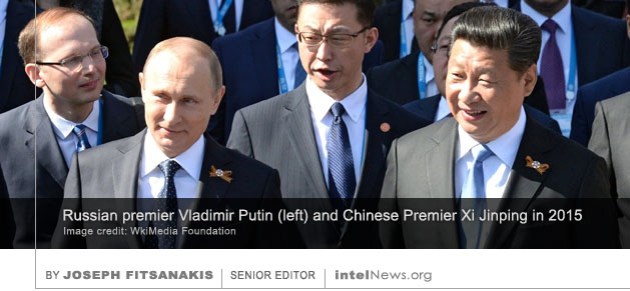 THE RUSSIAN GOVERNMENT HAS asked China to supply it with military hardware, as well as diplomatic and financial support, which would allow it to weather Western-imposed sanctions against it, according to Western officials. In what bears the marks of a controlled leak by the White House, several American and British news outlets reported late last night that Moscow had approached Beijing with a request for support across many levels, as the war in Ukraine continues to escalate.
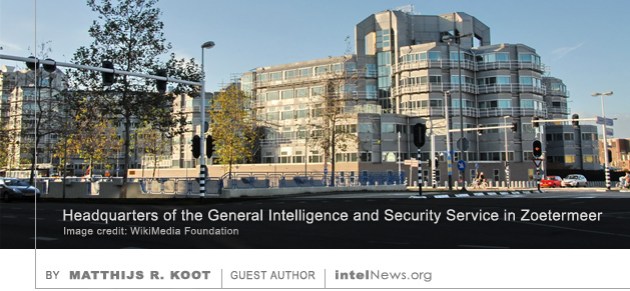 LAST WEEK, THE DUTCH General Intelligence and Security Service (AIVD) launched an awareness campaign dubbed ‘Check before connecting’. The purpose of the campaign is to inform the Dutch public about risks of foreign actors using fake accounts on social media, in efforts to acquire sensitive business information. According to the AIVD, such online campaigns frequently target and recruit employees of Dutch private sector companies. The
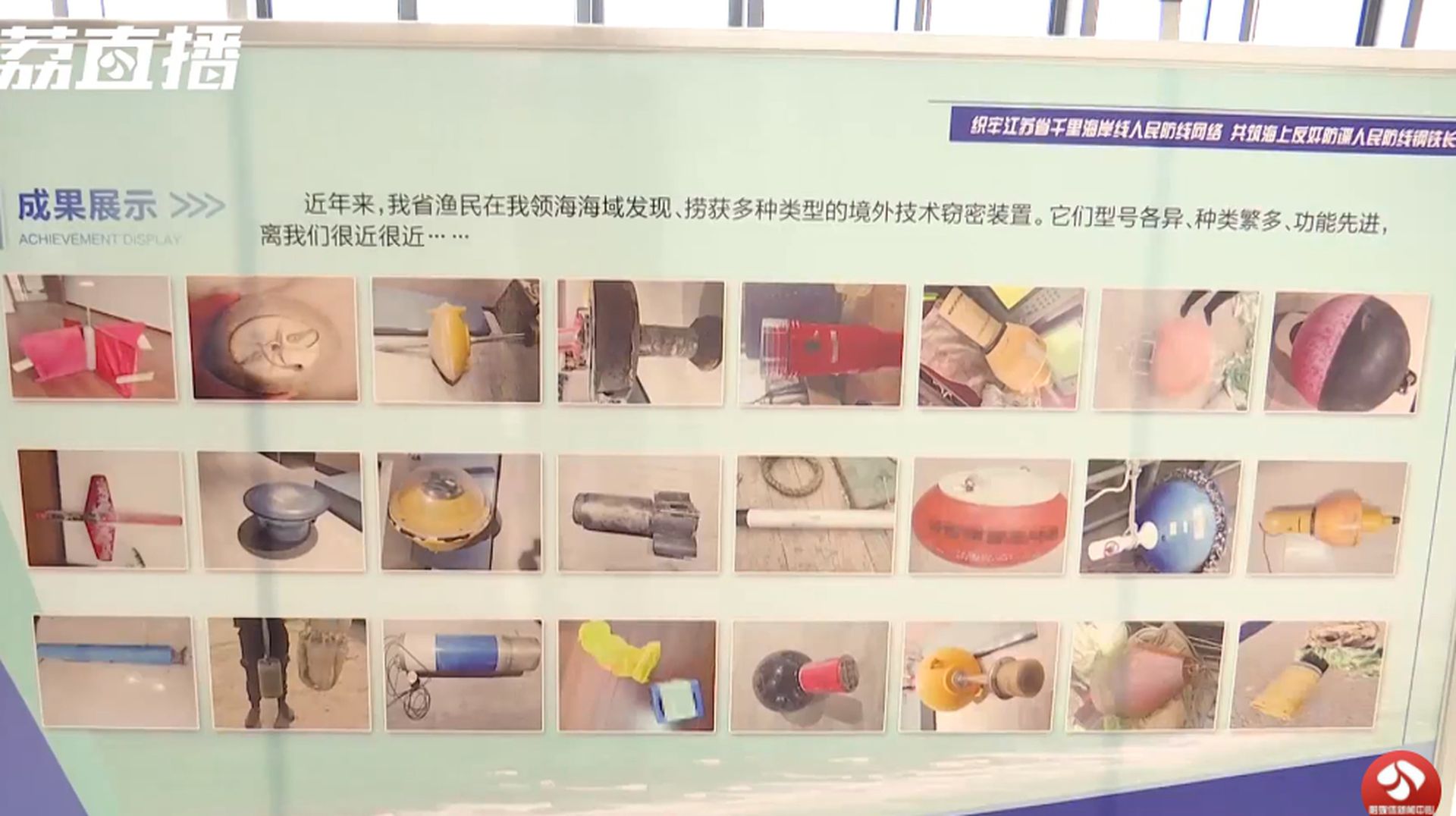
 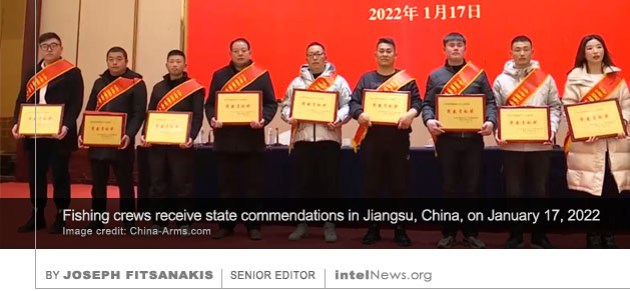 GOVERNMENT OFFICIALS IN THE Chinese province of Jiangsu have publicly rewarded two fishing crews for finding and turning in to security authorities a number of “suspicious” underwater devices. In a leading article on its website, China’s state-owned Xinhua news agency said on Tuesday that other fishing crews should come forward upon finding similar devices, to prove their patriotism and claim financial rewards from the state.








Canadian parliament pressures government to investigate Chinese election meddling
March 6, 2023 by Joseph Fitsanakis 1 Comment
The motion specifically mentioned recent testimony by David Vigneault, Director of the Canadian Security Intelligence Service (CSIS), which is Canada’s primary national intelligence agency. Vigneault told the Procedure and House Affairs Committee that there had been no major efforts by foreign powers to interfere in Canadian elections in 2019 and 2021. As a result, the integrity of the election processes and results had not been compromised, Vigneault said.
However, the CSIS director added that an investigation had been launched into allegations that China carried out concerted efforts to meddle in these elections. Vigneault was referring to a series of media reports in the past year, which have alleged that China employed its embassy in Ottawa, as well as its network of consulates across China, to carry out a campaign of interference into Canadian political life, and election campaigns in particular. Much of the momentum behind these allegations comes from the opposition Conservative Party of Canada. Some senior Conservative officials have explained their electoral defeat by the ruling Liberal Party as a result of Chinese interference.
All five Liberal Party lawmakers in the Procedure and House Affairs Committee voted against the motion to launch a broad public inquiry into alleged Chinese electoral interference. However, they were outnumbered by the six opposition lawmakers, who united in voting for the motion. The motion is not binding. However, as a report in the Reuters news agency notes, it places pressure on the government of Prime Minister Justin Trudeau to address these concerns. Trudeau has acknowledged that China did try to interfere in the Canadian general elections, but has insisted that the election results were not affected by these efforts.
► Author: Joseph Fitsanakis | Date: 06 March 2023 | Permalink
Filed under Expert news and commentary on intelligence, espionage, spies and spying Tagged with Canada, China, CSIS (Canada), David Vigneault, elections, News, Parliament of Canada