Canada intelligence agency warns officials of espionage, honey traps
July 15, 2013 4 Comments
 By IAN ALLEN | intelNews.org |
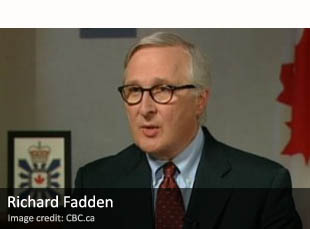
Canada’s foremost intelligence agency has authored a publication warning government officials they are as much targets of espionage today as they were during the Cold War. The warning is contained in a 2012 publication titled Far From Home: A Travel Security Guide for Government Officials, penned by the Canadian Security Intelligence Service (CSIS). It is aimed at Canadian diplomats and other federal employees who may, according to CSIS, become the targets of international espionage activities while traveling abroad. A copy of the guide was accessed by the Canadian Press agency under Canada’s Access to Information Act. In a brief forward to the guide, the then Director of CSIS, Richard Fadden, warns readers that international espionage is believed to be “at a level equal to that seen during the Cold War” (intelNews readers will remember Fadden has made similar claims in public before). He adds that Canada remains a “valued target” on the international intelligence scene, due to its sophisticated technology, energy and financial services sectors. Fadden, who left CSIS in May to become Canada’s Deputy Minister of National Defense, goes on to state that Canada is spied on by foreign intelligence agencies because of its “prized political connections” with the United States and its membership in “important international bodies”. In the guidebook, Canadian federal employees are advised to consider the information they carry with them while abroad as “a prized target” and to take conscious steps to protect it. Advice includes being cautious of information shared with taxi drivers, waiters or bar tenders, keeping personal electronic devices under watch at all times, and avoiding the use of hotel safes to store confidential material, as “intrusions are frequently accomplished with the co-operation of […] hotel staff”. The instructional book, stamped “For Official Use Only”, makes specific mention of “honey traps” —espionage lingo for intelligence collection through sexual seduction. It notes that honey traps often involve clandestine recordings of intimate encounters, which are later used to blackmail or publicly embarrass the target of the espionage operation. Read more of this post













 intelNews.org
News you may have missed #871
March 6, 2014 by Ian Allen Leave a comment
►►Britain denies visa for Cuban spy freed by US. Rene Gonzalez, one of the so-called “Cuban Five” intelligence agents convicted by the US of spying, has been denied a British visa to attend a London symposium. Gonzalez, who served 13 years in US prison before his release in 2011, had been invited to a two-day conference put on by “Voice for the Five”, an organization that campaigns in support of the convicted Cuban spies. The Cuban state-run newspaper Juventud Rebelde said Gonzales, 55, was denied a visa because British law prohibits entry of a person sentenced to more than four years in prison.
►►Canada fires intelligence analyst over contacts with Russians. Irina Koulatchenko, a 36-year-old who came to Canada as a Russian refugee via Cuba, has been fired by Canada’s financial-intelligence agency, known as FINTRAC. A Canadian Security Intelligence Service probe recommended she not be trusted to do that job, allegedly because “she had had several social encounters with Russian diplomats”. The latter included one she met “at a Cirque du Soleil show, another who was friends with her ex-fiancé and another she bumped into all the time at various social events”.
►►CIA suspected of spying on Congress members. The United States Department of Justice has opened an investigation into Senate aides removing documents from CIA headquarters that they reportedly “weren’t authorized to have”. It turns out, however, that the CIA found this out because they were secretly spying on members of the Senate Intelligence Committee and their staff who were working on a high-profile report on CIA torture of detainees. What is more, Democratic Senator Mark Udall has claimed US President Barack Obama knew of the CIA’s secret monitoring of the Committee.
Filed under Expert news and commentary on intelligence, espionage, spies and spying Tagged with 0 Britain denies visa for Cuban spy freed by US, 0 Canada fires intelligence analyst over contacts with Russians, 0 CIA suspected on spying on Congress members, Canada, CIA, CSIS (Canada), Cuba, Cuban Five, economic intelligence, FINTRAC, Irina Koulatchenko, Mark Udall, News, news you may have missed, Rene Gonzalez, travel documentation, UK, United States