Analysis: Iran’s energy sector is now a high-stakes espionage target
August 13, 2019 1 Comment
 The state-owned energy sector of Iran, one of the world’s most lucrative, has become a major target of international espionage since the imposition of new sanctions by the United States this year. The purpose of Washington’s sanctions is to limit the Islamic Republic’s ability to export energy, and by doing so end the country’s reliance on its primary source of income. It is estimated that Tehran’s energy exports have fallen by about 80 percent during the past year, and may continue to fall if the US has its way. This means that American and Iranian intelligence agencies are currently engaged in an intense war of espionage that concentrates on what remains of Iran’s oil exports. Iran continues to entice international buyers by selling energy at below-market prices, while sales are facilitated through the use of throwaway bank accounts that are difficult to trace. Exports are then carefully smuggled into overseas destinations through a variety of means.
In an article published last week, The New York Times’ Farnaz Fassihi explains that every snippet of information about Iran’s oil industry has now become “a prized geopolitical weapon” in a “a high-stakes global game of espionage and counterespionage”. Fassihi quotes a recent statement by Iran’s Minister of Petroleum Bijan Zanganeh that “information about Iran’s oil exports is war information”. That includes information on how Iran manages to deliver its exports abroad and how it gets paid for doing so. Once the US tightened its sanctions on Tehran, Iranian energy officials began to suspect that most inquiries to purchase oil were from foreign spies in search of information on the methods of transaction, writes Fassihi. So the Ministry of Petroleum stopped allowing thousands of freelance energy brokers to mediate between it and buyers. It proceeded to concentrate all transactions into the hands of fewer than five vetted individuals with prior tenure in the Iranian Revolutionary Guards Corps and other vetted government agencies. It also began to train Ministry officials on security and counterespionage protocols.
When the Iranians made it difficult to access information through the Ministry of Petroleum, foreign spy agencies changed their tactics, writes Fassihi. They used foreign academic researchers, including PhD students, who offered payments in hard cash for information on Iranian oil export methods that would help them in their research. Others descended on Tehran offering visas to the US, alcohol, prostitutes, and cash payments ranging from $100,000 to over $1 million in exchange for intelligence on the Iranian energy export sector. There is an atmosphere of paranoia in the Iranian capital, writes Fassihi, and the process of purchasing oil from Iran resembles a Hollywood spy thriller. Representatives of foreign buyers are asked to come to Tehran in person and are regularly required to switch hotels in the middle of the night. Additionally, once a transaction is agreed upon, the buyer’s representative is required to stay at a Petroleum Ministry safe house until the funds are transferred into Iranian government coffers. After that, the representative is allowed to leave, writes Fassihi.
► Author: Joseph Fitsanakis | Date: 13 August 2019 | Permalink
 The United States Central Intelligence Agency plans to retain a strong presence on the ground in Afghanistan, despite reports that American troops may soon be leaving the country following a deal with the Taliban. Several news outlets
 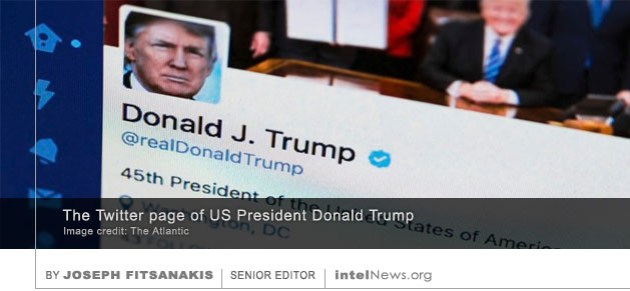 Several countries are behind organized efforts to influence electoral politics in the United States, with Russia being one among a growing list of culprits, according to experts.
 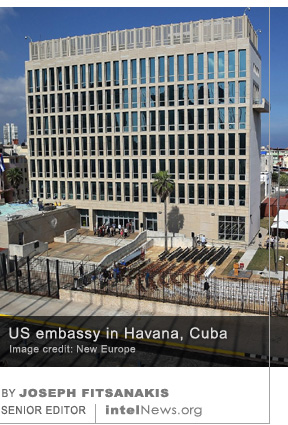 A series of alleged “sonic attacks” by a mysterious weapon may have caused the brains of American diplomats who served at the United States embassy in Cuba to shrink, according to a new scientific study. In 2017 Washington
 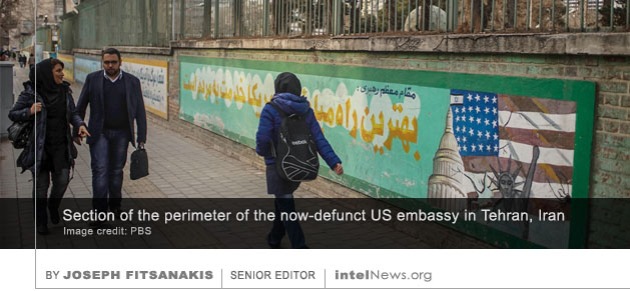 If the announcements from Tehran are to be believed, the United States Central Intelligence Agency lost at least 17 spies in Iran in the months leading up to March 2019. According to Iran’s Ministry of Intelligence, the Islamic Republic busted an alleged “CIA network” operating in sensitive private sector companies and government agencies that relate to defense, aerospace and energy. At least some of the 17 alleged spies have reportedly been sentenced to death, though their exact number remains unknown.
 made to look like rocks, which were located “in parks and other mountainous areas” in Iran and elsewhere in the Middle East, according to Iranian officials. Some of the assets communicated with their handlers while attending science conferences through- out Europe, Africa and Asia.
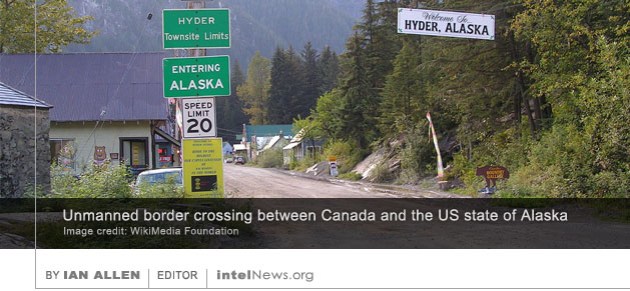 Since the election of President Donald Trump, the issue of border security between the United States and Mexico has been a major topic of national debate. But is the incessant focus on America’s southern border by the news media and politicians ignoring security concerns emanating from the country’s northern neighbor, Canada? In a thought-provoking
 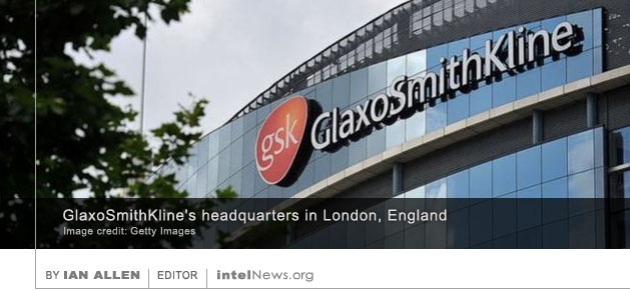 A Swiss court has ordered the extradition to the United States of the brother of one of the world’s leading biochemists, who spied on a British pharmaceutical firm to help a Chinese startup. The extradition is part of a large corporate espionage case centered on Yu Xue, a Chinese scientist described by US federal prosecutors as “one of the world’s top protein biochemists”. Yu specializes in drug research for cancer and other serious terminal illnesses. From 2006 until 2016 he worked in the US for GlaxoSmithKline (GSK), a leading British pharmaceutical group.
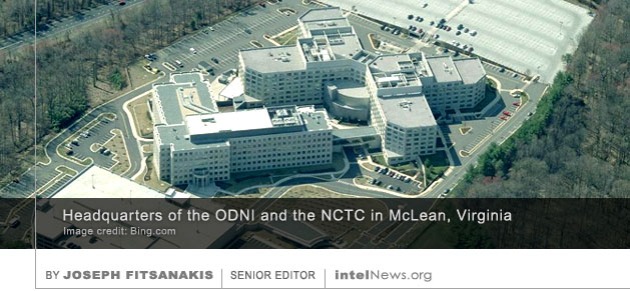 A private management consulting firm that was hired to streamline the United States Intelligence Community’s communication and decision-making process has made these practices worse, according to insiders. The news website Politico, which published the
  A senior Iranian security official said on Monday that Tehran had dismantled “one of the most complicated” espionage operations by the United States Central Intelligence Agency, leading to “arrests and confessions” of suspects in several countries. The announcement was made by Ali Shamkhani (pictured), secretary of the Supreme National Security Council of Iran, the Islamic Republic’s highest security decision-making body, which is chaired by the country’s president.
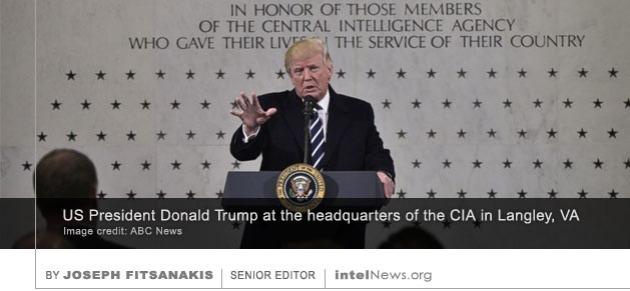 United States President Donald Trump said on Tuesday that he would not allow American intelligence agencies to use spies against North Korea, raising eyebrows in Washington, before appearing to backtrack a day later. The American president was speaking to reporters at the White House on Tuesday, when he was asked about a report that appeared in The Wall Street Journal that day. According to the
  Kim Jong-nam, the half-brother of North Korean leader Kim Jong-un, held regular meetings with American intelligence officers before he was assassinated with VX nerve gas at a busy airport terminal in Malaysia. Two women
  Iran has announced that it will release a Lebanese national and United States permanent resident, who has served nearly half of his 10-year prison sentence for allegedly spying for Washington. Nizar Zakka, 52, was born in Lebanon but was schooled in the US, where he lived permanently until 2015. In September of that year, Zakka traveled to the Iranian capital Tehran at the invitation of the government of Iran, where he spoke at a conference on Internet-based entrepreneurship. He attended the event as an information technology expert who worked for companies like Cisco and Microsoft before setting up his own company called IJMA3. Based in Washington, DC, IJMA3 lobbies investors to help build online networks in the Middle East in order to develop the region economically, socially and politically.
 Documents that were allegedly leaked by a Cuban intelligence insider show that Cuban spies targeted the Miami International Airport (MIA) and may have acquired MIA internal files, passwords and other sensitive information. The documents were






 intelNews.org
Shia militia blames US and Israel for mystery explosions throughout Iraq
August 22, 2019 by Ian Allen Leave a comment
In the past month, however, there have been at least three mystery explosions at arms depots controlled by the PMF throughout Iraq. On July 19, Arab media reported that a blast killed two Iranian military engineers at a PMF facility. Then on August 12 a massive explosion destroyed part of the al-Saqr military base in Baghdad, killing at least one person and injuring 30. The base reportedly housed an arms depot that was shared by the Shia-dominated Iraqi federal police and the PMF (the two are often indistinguishable in post-ISIS Iraq). On August 20 two more explosions were reported at a PMF arms depot located about 55 miles north of Baghdad. It is not known if anyone was killed or injured in the latest attack. Prior to the August 20 explosions, Iraqi Prime Minister Adil Abdul-Mahdi had banned all unauthorized flights over Iraq in an attempt to prevent further attacks on arms depots. But the move did not prevent yet another mystery attack.
In recent days, Iraq has been rife with rumors and conspiracy theories about who could be behind the attacks. Many are accusing the United States and Israel, while some are blaming ISIS or Iraqi militias who are competing against the PMF for control. A leaked Iraqi government report into the incidents claimed that they were caused by drone strikes. On Wednesday, a spokesman for the PMF said that the attacks had been carried out by Israeli drones with American intelligence support in order to weaken Shia influence in Iraq. When asked about the mystery explosions, Israeli Prime Minister Benjamin Netanyahu said that “Iran has no immunity anywhere […]. We will act and are currently acting against Iran wherever necessary”. Meanwhile, the PMF pledged to use “all means at its disposal to deter and prevent [future] attacks” on its facilities.
► Author: Ian Allen | Date: 22 August 2019 | Permalink
Filed under Expert news and commentary on intelligence, espionage, spies and spying Tagged with Iraq, Israel, News, Popular Mobilization Forces, United States