‘Illusion of safety’ blamed for deaths of four US service members in Syria
January 21, 2019 4 Comments
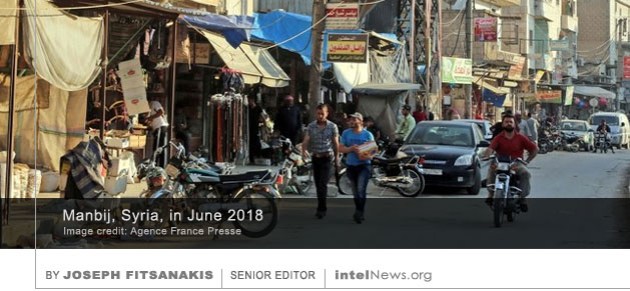 The “illusion of safety” has been blamed for the death of four American service members in northern Syria last week, after a suicide bomber attacked a restaurant, killing at least 19 people and wounding countless others. The deadly attack happened in Manbij, a small Kurdish-majority town near the Syrian-Turkish border, which American forces previously viewed as an oasis of security in the war-torn country. American troops fought alongside a coalition of Kurdish and Arab fighters who in 2016 took control of Manbij from the Islamic State of Iraq and Syria (ISIS). Since then, American forces have remained in the area —mostly to prevent a military invasion by Washington’s ally Turkey, which views the Kurds as terrorists and has threatened to destroy their armed forces.
The relative stability of Manbij was violently disrupted last Wednesday, when a man detonated a suicide vest inside the Palace of the Princes restaurant in downtown Manbij. Until that moment, United States forces had lost just two members during the Syrian Civil War. Four more Americans died in Wednesday’s blast, including two service members, a military contractor and a civilian intelligence officer working for the Pentagon. Three other Americans were wounded and were airlifted out of the country. In an insightful article published last week, The New York Times quoted a US Special Forces member who wondered whether the US troops in northern Syria have “developed a false sense of security” in what remains a dangerous conflict zone. “The illusion of safety”, said the anonymous commentator, had caused the behavior of American service members in Manbij to fall into predictable routines. That became a vulnerability that the Islamic State was able to exploit, he said.
The Sunni militant group targeted the Palace of the Princes, one of the most popular eateries for Americans in Manbij. The Times quoted locals who said that American troops appeared to eat there nearly every time they patrolled the city, “often many times a week”. They would even park their military vehicles outside the restaurant while dining there, they said. The paper commented that many US troops had “grown complacent and should have varied their […] routes or increased their operational security” while on patrol. Unfortunately, however, their presence —and lack of adequate security— was noticed by the Islamic State, which targeted them on Wednesday.
► Author: Joseph Fitsanakis | Date: 21 January 2019 | Permalink
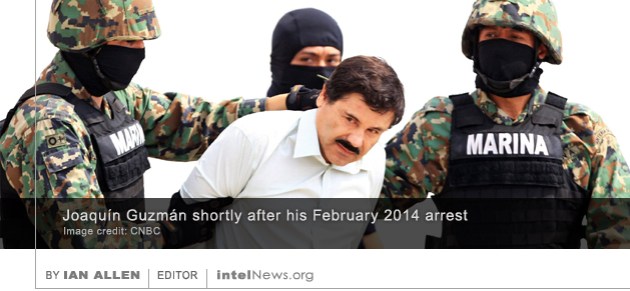 A high-profile witness has told the trial of Joaquín ‘El Chapo’ Guzmán in New York that the accused bribed the then President of Mexico, Enrique Peña Nieto, with $100 million in order to stay out of prison. Guzmán, the leader of the powerful Sinaloa drug cartel, was
 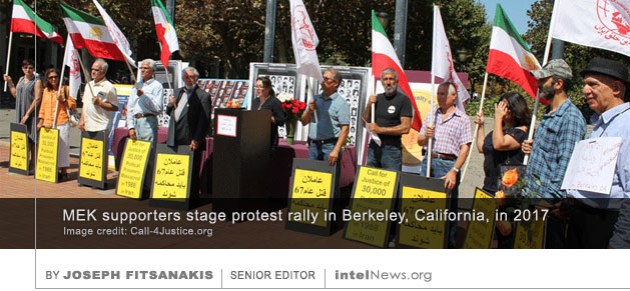 The United States Federal Bureau of Investigation has charged two men of Iranian descent, who were arrested in California, of operating as deep-cover spies for Iran. Documents filed in a federal court in Washington, DC, name the men as Majid Ghorbani, 59, and Ahmadreza Mohammadi Doostdar, 38. Both have American citizenship and were arrested by the FBI in August, following a year-long counterintelligence investigation. The Los Angeles Times
  The Chinese telecommunications giant Huawei has fired one of its employees who was arrested last week in Poland on charges of spying for China,
 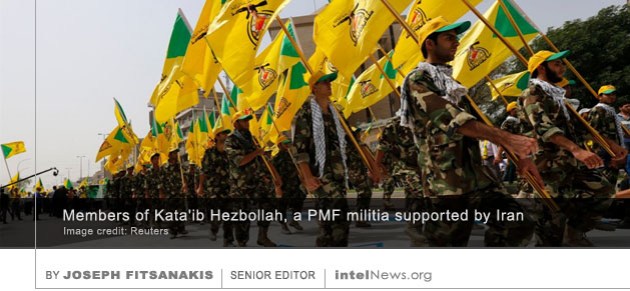 The Shiite militias that fought in the war against the Islamic State are now “engaged in mafia-like practices” in former Islamic State strongholds, enraging Iraqi Sunnis and sparking fears of another Islamist insurgency, according to a
 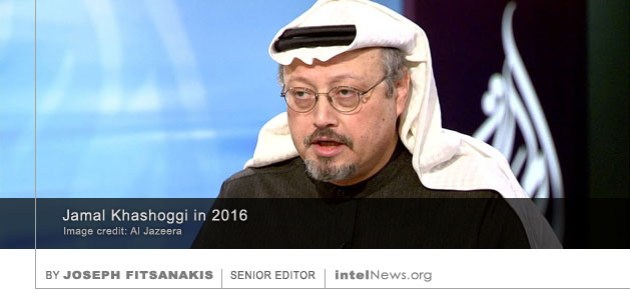 An international law center based in New York is suing the United States Central Intelligence Agency for access to classified files relating to the death of the Saudi journalist Jamal Khashoggi. Khashoggi, 59, was a Saudi government adviser who became critical of the Kingdom’s style of governance. He moved to the United States and began to criticize Saudi Arabia from the pages of The Washington Post. He was
  Authorities in Holland have officially accused Iran of ordering the contract murders of two men on Dutch soil in 2015 and 2017, one of them just a block away from the Dutch foreign ministry’s headquarters. The announcement illuminates the reason behind the expulsion of two Iranian diplomats from Holland last year, which the authorities did not explain at the time.
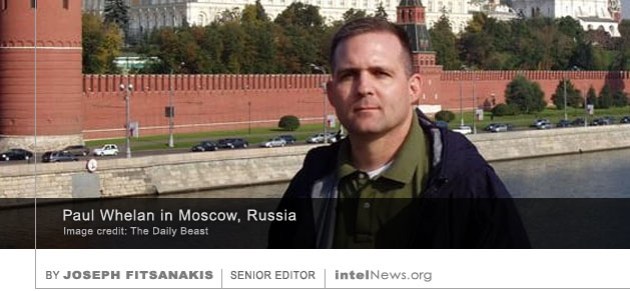 An American former Marine, who faces espionage charges in Russia, is a citizen of at least three other countries, namely Canada, Britain and the Republic of Ireland, according to reports. Paul Whelan, 48, was arrested by Russia’s Federal Security Service (FSB) on December 28 at the Metropol, a five-star hotel in downtown Moscow. News of Whelan’s arrest first emerged on January 3 in a
 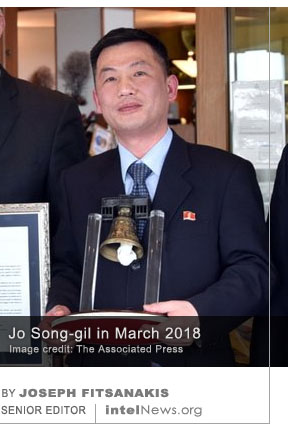 The acting ambassador of North Korea to Italy has been missing for two months and there are reports that he may be under the protection of a Western country. Jo Song-gil (pictured), 48, a career diplomat who is fluent in Italian, French and English, presented his diplomatic credentials to the Italian government in May of 2015. In October 2017, he became his country’s acting ambassador after Italian authorities expelled Ambassador Mun Jong-nam from the country. The expulsion came in response to North Korea’s nuclear test in September of that year, when Pyongyang announced the detonation of a hydrogen bomb that could be loaded onto an intercontinental ballistic missile.
 A retired general, who rose through the military’s ranks during Brazil’s 20-year dictatorship, will head the country’s intelligence agency as one of several military men in the new cabinet of President Jair Bolsonaro. Augusto Heleno, 71, was sworn in on Tuesday as head of the Institutional Security Cabinet (GSI), which advises the president on security policy and oversees Brazil’s intelligence and counterterrorism services. Heleno is one of four retired generals who are included in Bolsonaro’s 22-member
 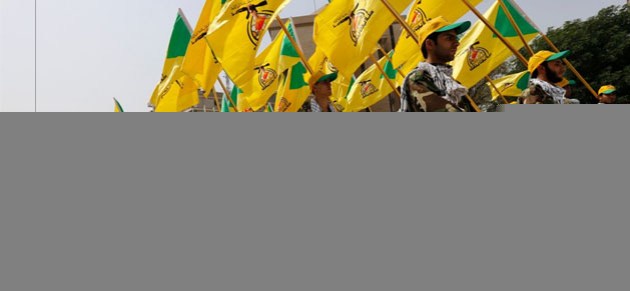 Authorities in Colombia said that three Venezuelans, who were arrested in Colombia’s Caribbean coast with submachine guns and explosives, were planning to assassinate President Iván Duque. The claim was aired in a
  On the heels of chaotic scenes at Britain’s Gatwick Airport, which
  The Saudi royal who is suspected by the international community of having ordered the state-sponsored murder of journalist Jamal Khashoggi is now leading a committee to reform the Kingdom’s spy services. Khashoggi, 59, was a Saudi government adviser who became critical of the Kingdom’s style of governance. He moved to the United States and began to criticize Saudi Arabia from the pages of The Washington Post. He was
 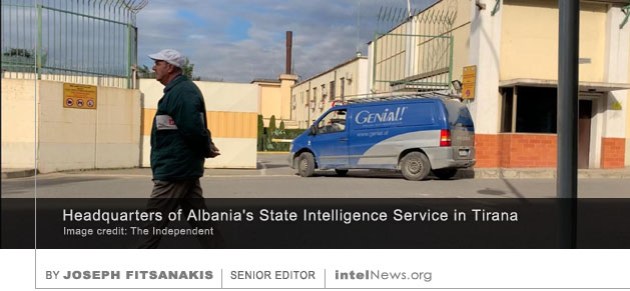 Sensitive information about the identities and activities of Albania’s intelligence operatives appeared online, apparently due to an administrative blunder. The incident has reportedly alarmed officials at the North Atlantic Treaty Organization (NATO), of which Albania has been a member since 2009. British newspaper The Independent, which reported the incident earlier this month, described it as “a dangerous breach that could have international consequences”. The paper







CIA has maintained secret communication with North Korea for 10 years
January 22, 2019 4 Comments
The United States and North Korea have never had official diplomatic relations, nor have they ever maintained embassies at each other’s capitals. In rare instances, the North Korean Permanent Mission to the United Nations in New York has been utilized to pass messages from the White House to the communist country’s Ministry of Foreign Affairs. No other systematic diplomatic activity between the two sides has ever been reported.
But an article published in The Wall Street Journal on Monday claims that an intelligence channel between the CIA and unspecified North Korean intelligence officials has been active —with some periods of dormancy— for at least a decade. The previously unreported channel has led to a number of public meetings, such as the 2014 visit to Pyongyang by James Clapper, the then US Director of National Intelligence, as well as an earlier visit to the North Korean capital by former US President Bill Clinton in 2009. But, says the paper citing “current and former US officials”, most of the contacts have been secret. They include several visits to North Korea by CIA official Joseph DeTrani before and after Clinton’s visit, as well as two trips to Pyongyang by CIA Deputy Director Michael Morell, in 2012 and 2013. His successor, Avril Haines, also visited North Korea, says The Journal, but notes that the channel went “dormant late in the Obama administration”.
Upon becoming CIA director following the election of Donald Trump to the presidency, Mike Pompeo was briefed about the secret channel’s existence and decided to resume it, with Trump’s agreement. That led to his eventual visit to North Korea along with Andrew Kim, who at the time headed the CIA’s Korea Mission Center. Eventually, this channel of communication facilitated the high-level summit between President Trump and Supreme leader Kim Jong-un in June 2018 in Singapore. The Wall Street Journal said it reached out to the CIA, the Department of State and the White House about this story, but received no responses. The North Korean mission in the United Nations in New York also declined to comment.
► Author: Joseph Fitsanakis | Date: 22 January 2019 | Permalink
Filed under Expert news and commentary on intelligence, espionage, spies and spying Tagged with CIA, News, North Korea, secret diplomacy, United States