News you may have missed #594
September 17, 2011 1 Comment
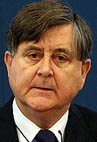
David Irvine
►►Egypt extends detention of alleged Israel spy. An Egyptian court has extended the detention of alleged Israeli spy Ilan Grapel by 45 days, the Egyptian Al-Ahram newspaper reported on Wednesday. Grapel was arrested in Cairo in June.
►►Australian spy chief raises cyberespionage concerns. The advent of cyberespionage is serving only to reinvigorate the craft of espionage, making such spying easier than ever, the Australian Security Intelligence Organization chief, David Irvine, has told a conference in Canberra. Espionage, which has taken a back seat to terrorism since the attacks of September 11, 2001, is alive and well, said Irvine.
►►US intel official says al-Qaeda operations could end in two years. Michael G. Vickers, the US undersecretary of defense for intelligence, said at a defense conference that if the current pace of US operations continues, “within 18 to 24 months, core al-Qaeda’s cohesion and operational capabilities could be degraded to the point that the group could fragment”. Vickers’s remark represents the first time that a senior US official has offered a time frame for achieving the collapse of the organization responsible for the 9/11 attacks.











 intelNews.org
News you may have missed #610
October 13, 2011 by Ian Allen Leave a comment
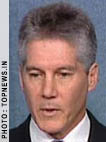
Charles S. Faddis
►►Australian agency warns spy cells ‘lie in wait’. In its annual report, Australia’s intelligence service, the ASIO, warns that foreign powers may be recruiting sleeper agents in Australia to carry out sabotage in future conflicts. The report further notes that, despite the rise of cyberespionage, there has not been a marked reduction in the intensity of more traditional forms of espionage.
►►US frees convicted Cuban spy but debate rages on. Few topics illustrate the gulf in perception between the governments of Cuba and the United States like the case of the Cuban Five. The five Cuban agents were arrested in Florida in the 1990s and convicted on espionage charges. US federal prosecutors said the men were trying to spy on military installations. But Cuba’s government has long maintained the men were trying to monitor Miami-based exile groups that were planning attacks on the island nation.
►►Analysis: It’s time for the Pakistanis to pick a side. Former CIA operations officer Charles Faddis (pictured) argues that the US government needs to immediately designate Pakistan’s proxy army, the Haqqani network, as a terrorist organization. It has avoided taking that action for far too long and only because of crass political concerns, says Faddis, but the time has come to change course.
Filed under Expert news and commentary on intelligence, espionage, spies and spying Tagged with 0 Analysis: It's time for the Pakistanis to pick a side, 0 Australian agency warns spy cells 'lie in wait', 0 US frees convicted Cuban spy but debate rages on, ASIO, Australia, Charles "Sam" Faddis, Cuba, Cuban Five, espionage, Haqqani Network, Lashkar-e-Taiba, News, news you may have missed, Pakistan, terrorism, United States