Analysis: Is US diplomat arrested in Russia a CIA case officer?
May 16, 2013 11 Comments
 By JOSEPH FITSANAKIS | intelNews.org |
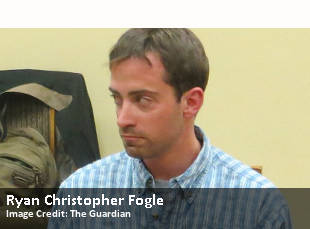
The Russian Ministry of Foreign Affairs lodged an official complaint yesterday with the United States Ambassador to Russia over the alleged espionage activities of Ryan Christopher Fogle. The Third Secretary in the Political Section of the US embassy was arrested with great media fanfare on Monday night, allegedly as he was trying to recruit a Russian intelligence officer. As can be expected, the Russian media had a field day with Fogle’s arrest; after all, it has been nearly a decade since the last time an American intelligence operative was publicly uncovered on Russian soil. Many Western observers, however, have questioned if Fogle could really be an officer of the Central Intelligence Agency, and whether the Russian Federal Security Service (FSB) simply framed an unsuspecting junior American diplomat. Much of the skepticism expressed by Western commentators focuses on the articles that were allegedly found by the FSB in Fogle’s backpack. They included several pairs of sunglasses, recording devices, as well as two wigs. Would a CIA officer be foolish enough to be carrying with him surreptitious recording devices in downtown Moscow? And do modern case officers still employ wigs when walking the streets of foreign capitals recruiting spies? The answer is, of course, yes. Read more of this post














Russian news agency reveals name of CIA station chief in Moscow
May 20, 2013 by Joseph Fitsanakis 8 Comments
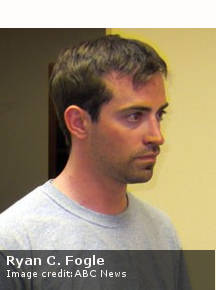
A Russian news agency revealed the name of the alleged station chief of the United States Central Intelligence Agency (CIA) in Moscow, but then deleted the information from its website. Russia Today, a multilingual Moscow-based television network funded by the Russian government, hosted an interview on May 17 with an anonymous representative of the FSB, the Russian Federal Security Service. The FSB official was commenting on the case of Ryan Fogle, an alleged CIA case officer who was detained in downtown Moscow by the FSB on the evening of Monday, April 13. The Russians claim that Fogle, who held the post of Third Secretary of the Political Department of the United States embassy in Moscow, was trying to recruit a Russian intelligence officer. Russia Today quoted the FSB official as saying that Fogle’s operations “crossed the red line and [the FSB] had no choice but to react [by] observing official procedures”. He added that Fogle had been detected trying to recruit Russian government employees in as early as 2011. At that time, the anonymous source told Russia Today the FSB had “decided to warn [its] American colleagues and ask them to stop these activities”. The warning, he said, had been delivered by the FSB directly to the CIA station chief in Moscow; the article then proceeded to name the American official. International media are not bound by the 1982 US Intelligence Identities Protection Act, which makes it a federal crime to intentionally reveal the identity of individuals engaged in covert roles with US intelligence agencies. However, publicly revealing the identity of senior intelligence officials during peacetime is highly irregular and frowned upon, even among adversaries. The BBC, which reported on the revelation, described the move as a “breach of diplomatic protocol”. Read more of this post
Filed under Expert news and commentary on intelligence, espionage, spies and spying Tagged with CIA Algiers station, counterintelligence, espionage, FSB, News, Russia, Ryan C. Fogle, Ryan Christopher Fogle, Ryan Fogle, United States, US embassy in Russia