News you may have missed #848
August 9, 2013 1 Comment
 By IAN ALLEN | intelNews.org |
►►UK officials saw ‘communist spies’ in Japan in 1983. British officials believed in the early 1980s that Japanese institutions had been “slightly” penetrated by communist intelligence services, according to documents declassified last week at the National Archives in London. The documents, from 1983, assert that there were approximately 220 communist intelligence officers working in Japan: 100 for the Soviet Union, 60 for China and 60 for other communist countries.
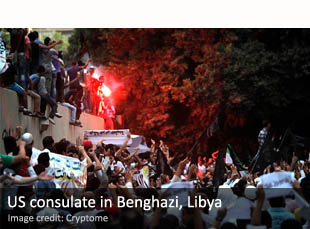
►►‘Dozens of CIA operatives on the ground’ during Benghazi attack. CNN claims that “dozens of people working for the CIA” were on the ground the night of the attack on the US consulate in Benghazi, Libya, which killed four Americans, including Ambassador Christopher Stevens. The news station adds that, according to one source, the CIA is involved in “an unprecedented attempt to keep [its] Benghazi secrets from ever leaking out”.
►►Australians call for national debate on privatization of intelligence. Dr Troy Whitford, Associate Investigator with the Australian Research Council’s Centre of Excellence in Policing and Security, and lecturer at Charles Sturt University, has called for “a national debate on the extent, cost and consequences of Australia’s security and intelligence outsourcing”. The call was apparently prompted by news that 51% of the intelligence gathering in the US is now carried out by non-government contractors.
 By J. FITSANAKIS and I. ALLEN | intelNews.org |













Spy agencies failed to share intelligence on Omagh bombing: report
August 12, 2013 by Ian Allen 1 Comment
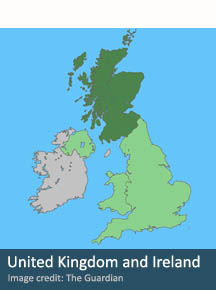
A new report on the 1998 bombing of downtown Omagh by an Irish republican splinter group claims that the tragedy could have been avoided had British, Irish and American intelligence agencies shared information with British police. The car bomb attack was carried out on August 15, 1998, by the Real Irish Republican Army (RIRA). The militant organization consisted of former Provisional Irish Republican Army volunteers who rejected the Good Friday Agreement, part of the Northern Ireland peace process. It devastated the small Northern Irish town of Omagh, killing 29 and injuring over 200 people, including six children, several teenagers and a woman who was pregnant with twins. There have been no criminal convictions in connection with the bombing, despite the fact that it was the single worst instance of violence in the so-called Northern Ireland Troubles, which began in the 1960s and ended in 1998, largely because of the Omagh bombing. But now a new report commissioned by the families of the victims of the bombing claims that intelligence services from three countries failed to share information with British police, which could have prevented the disaster in Omagh. The report, authored by a group of retired security experts on behalf of London-based law firm SBP, says the RIRA had been infiltrated by the United States Federal Bureau of Investigation (FBI), Britain’s Security Service (MI5) and the Irish Garda’s Crime and Security Branch. These agencies, claims the report, had at least two informants inside the RIRA: a smalltime Irish criminal named Paddy Dixon, who frequently smuggled stolen cars from Ireland into Britain for use by the RIRA, and David Rupert, an American of Irish descent. Read more of this post
Filed under Expert news and commentary on intelligence, espionage, spies and spying Tagged with 1998 Omagh bombing, FBI, Garda Síochána, informants, intelligence cooperation, MI5, News, Northern Ireland, Omagh (UK), Omagh Support and Self Help Group, Real IRA, UK, United States