News you may have missed #839
June 5, 2013 Leave a comment
 By IAN ALLEN | intelNews.org |
►►US officials say Comey in line to head FBI. US President Barack Obama plans to nominate James B. Comey, a former senior Justice Department official in the George W. Bush administration, to replace Robert S. Mueller III as FBI director, according to people with knowledge of the selection process. The expected nomination of Comey, a Republican, was seen in some quarters as a bipartisan move by a president besieged by Republicans in Congress. But Chuck Hagel’s prior service as a Republican senator from Nebraska did not spare him from a bruising nomination battle for Secretary of Defense.
►►Ex-KGB agent marks fourth year in Canada sanctuary. On June 1, Vancouver’s First Lutheran Church held a fourth anniversary dinner for Burnaby resident and former KGB officer Mikhail Lennikov. June 2 marked four years that Lennikov has been living at the church. He was ordered deported on June 3, 2009 because of his history with the KGB, the former Soviet secret service, although he has argued he poses no threat to Canadian security. Lennikov’s wife and son have been allowed to stay in the country on humanitarian and compassionate grounds and have also been living in the church.
►►Senior US intelligence official gets personal email hacked. In a rather embarrassing slip, the personal email account of Christopher Kojm, chairman of the US National Intelligence Council (NIC), has become the latest victim of the cracker known as Guccifer. The cracker allegedly grabbed email exchanges with 9/11 Commission members, banking information, personal correspondence, and documents covering the latest Obama administration’s transition earlier this year. Classified information doesn’t appear to have been compromised, although no doubt there are some embarrassing tidbits to be had.















Canada intelligence agency warns officials of espionage, honey traps
July 15, 2013 by Ian Allen 4 Comments
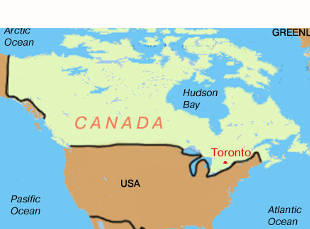
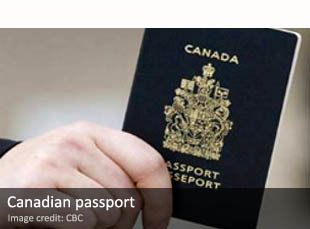
Canada’s foremost intelligence agency has authored a publication warning government officials they are as much targets of espionage today as they were during the Cold War. The warning is contained in a 2012 publication titled Far From Home: A Travel Security Guide for Government Officials, penned by the Canadian Security Intelligence Service (CSIS). It is aimed at Canadian diplomats and other federal employees who may, according to CSIS, become the targets of international espionage activities while traveling abroad. A copy of the guide was accessed by the Canadian Press agency under Canada’s Access to Information Act. In a brief forward to the guide, the then Director of CSIS, Richard Fadden, warns readers that international espionage is believed to be “at a level equal to that seen during the Cold War” (intelNews readers will remember Fadden has made similar claims in public before). He adds that Canada remains a “valued target” on the international intelligence scene, due to its sophisticated technology, energy and financial services sectors. Fadden, who left CSIS in May to become Canada’s Deputy Minister of National Defense, goes on to state that Canada is spied on by foreign intelligence agencies because of its “prized political connections” with the United States and its membership in “important international bodies”. In the guidebook, Canadian federal employees are advised to consider the information they carry with them while abroad as “a prized target” and to take conscious steps to protect it. Advice includes being cautious of information shared with taxi drivers, waiters or bar tenders, keeping personal electronic devices under watch at all times, and avoiding the use of hotel safes to store confidential material, as “intrusions are frequently accomplished with the co-operation of […] hotel staff”. The instructional book, stamped “For Official Use Only”, makes specific mention of “honey traps” —espionage lingo for intelligence collection through sexual seduction. It notes that honey traps often involve clandestine recordings of intimate encounters, which are later used to blackmail or publicly embarrass the target of the espionage operation. Read more of this post
Filed under Expert news and commentary on intelligence, espionage, spies and spying Tagged with Canada, Canadian Security Intelligence Service, CSIS (Canada), honey traps, News, Richard Fadden