South Korean spy’s suicide reportedly linked to wiretap controversy
July 20, 2015 Leave a comment
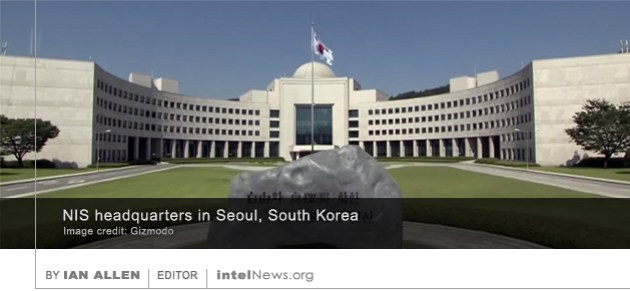 A suicide note found next to the body of a South Korean intelligence officer mentions a phone hacking scandal that has caused controversy in the country. The 45-year-old man, identified only as “Lim” by South Korean authorities, worked for the country’s primary intelligence organization, the National Intelligence Service (NIS). He was found dead late on Saturday morning inside his car, which had been parked on a deserted rural road on the outskirts of South Korean capital Seoul. According to local reports, authorities found a metal plate with burnt-out coal inside his car, which had been locked from the inside. Finding no apparent marks on his body, the police have ruled his death a suicide.
The man reportedly left a three-page handwritten note on the passenger seat of his car, which is said to contain his will and a list of the reasons that drove him to kill himself. South Korean media cited a “senior government insider” who said that among the reasons mentioned in the suicide note is a controversial phone tapping scandal that has made national news in recent days. According to the insider, the program is identified in the letter as a wiretapping scheme “of national importance”.
The program appears to refer to the the disclosure made this month by a group of unidentified hackers that exposed the dealings of a surveillance software manufacturer with a markedly poor civil-liberties record. The disclosure, made by British newspaper The Guardian, shows that the Italian company, Hacking Team Ltd, is believed to have sold powerful surveillance software to governments with a history of civil-rights violations, including Nigeria, Ethiopia, Saudi Arabia, Azerbaijan and Uzbekistan. Among the customers, however, are a number of countries with stronger civil-rights protections, including South Korea and Cyprus, which is a member of the European Union. Cyprus’ intelligence chief resigned earlier this month as a result of the disclosure. According to technical experts, the software sold by Hacking Team can intercept data exchanged via cellular phones and other wireless devices. It can also spy on all communications devices connected to the Internet using malware that is undetectable by commonly used antivirus software. Moreover, software supplied by Hacking Team cannot be removed from a compromised cellular device unless it is reset at the factory.
NIS authorities in Seoul issued a press statement last week, claiming that the phone hacking software had been used only against North Korean targets abroad, including agents of Pyongyang operating around the world. But human rights organizations, as well as opposition parties in South Korea, said they believed the software had been used to monitor domestic dissent. Earlier this year, a former director of NIS was jailed for organizing an online propaganda campaign to dissuade citizens to vote for the liberal opposition. The NIS issued a statement last week saying that it would be willing to share the operational details and records of the controversial software with lawmakers in order to dispel rumors that it was used against domestic political activity.
► Author: Ian Allen | Date: 20 July 2015 | Permalink: https://intelnews.org/2015/07/20/01-1738/
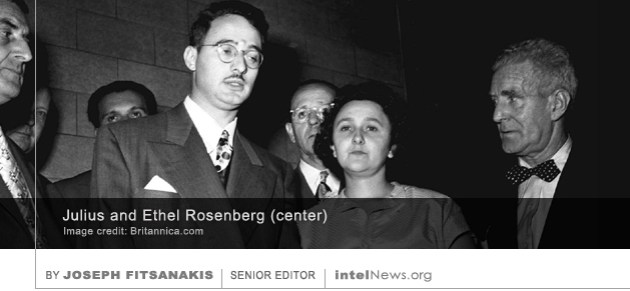 The final piece of sealed testimony in one of the most important espionage cases of the Cold War has been released, 64 years after it was given. The case led to the execution in 1953 of Julius and Ethel Rosenberg, an American couple who were convicted of spying for the Soviet Union. The Rosenbergs were arrested in 1950 for being members of a larger Soviet-handled spy ring, which included Ethel’s brother, David Greenglass. Greenglass agreed to testify for the US government in order to save his life, as well as the life of his wife, Ruth, who was also involved in the spy ring. He subsequently fingered Julius Rosenberg as a courier and recruiter for the Soviets, and Ethel as the person who retyped the content of classified documents before they were surrendered to their handlers. That piece of testimony from Greenglass the primary evidence used to convict and execute the Rosenbergs.
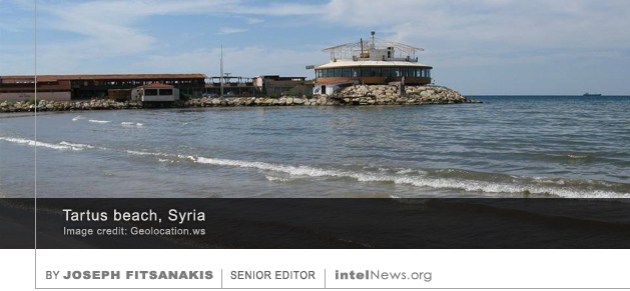 A leaked document from an American intelligence agency appears to confirm that Israeli commandos were behind the assassination of a top Syrian government official, who was shot dead outside his luxury villa on the Syrian coast in 2008. Muhammad Suleiman had been a close aide of current Syrian President Bashar al-Assad even before the latter rose to power in 2000. Once al-Assad became ruler of Syria, Suleiman was appointed special presidential advisor in the areas of arms procurement and strategic weapons. He handled intelligence affairs for the Assad regime and he was involved in weapons transfers from Iran to the Lebanese militant group Hezbollah, while also helping train Hezbollah operatives. He was also rumored to have a senior administrative role in the Syrian nuclear weapons program.
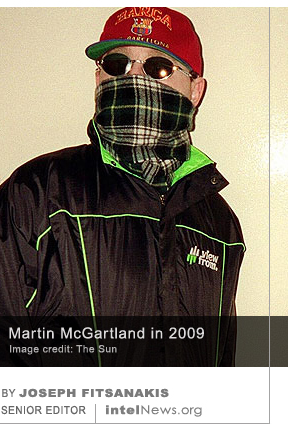 A lawsuit against Britain’s Security Service (MI5) by a former spy, who in the 1980s infiltrated the Provisional Irish Republican Army, commonly known as IRA, is to be judged in secret, a court in London has decided. The spy, Martin McGartland, of Belfast, Northern Ireland, was recruited by the Special Branch of the Royal Ulster Constabulary in the mid-1980s. The information he supplied to the security agencies over several years is widely credited with having saved the lives of at least 50 British police officers and soldiers. His autobiographical experiences formed the basis of the 2008 motion picture 50 Dead Men Walking.
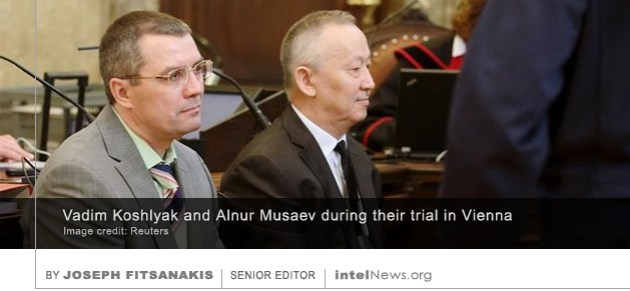 Kazakhstan’s former spy chief and a former presidential bodyguard have been acquitted by an Austrian jury, five months after a co-defendant in their double-murder trial, who was also the Kazakh president’s former son-in-law, was found dead in his Vienna cell. As intelNews has written
  The head of the main intelligence agency of the island state of Cyprus has resigned after an invoice leaked online showed that the agency made several purchases of controversial surveillance software. Andreas Pentaras, who has led the Cyprus Intelligence Service (KYP) since 2013,
 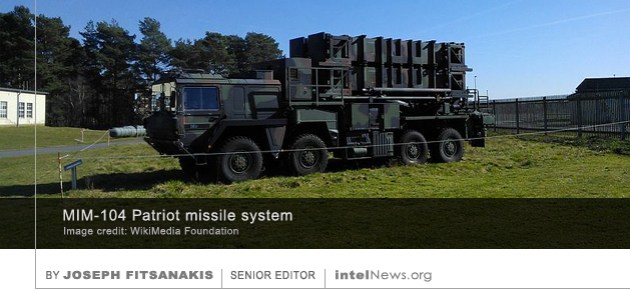 A Patriot missile system stationed in Turkey by the North Atlantic Treaty Organization (NATO) was allegedly hacked by a remote source, according to reports. German magazine Behörden Spiegel
 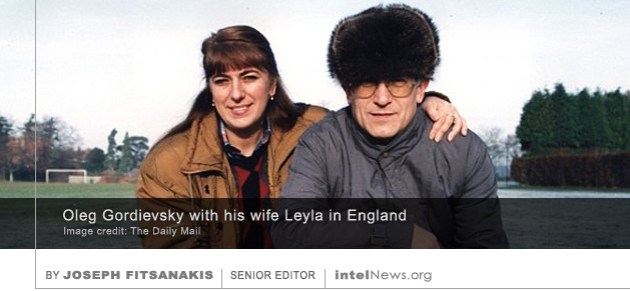 A Soviet double spy, who secretly defected to Britain 30 years ago this month, has revealed for the first time the details of his exfiltration by British intelligence in 1985. Oleg Gordievsky was one of the highest Soviet intelligence defectors to the West in the closing stages of the Cold War. He joined the Soviet KGB in 1963, eventually reaching the rank of colonel. But in the 1960s, while serving in the Soviet embassy in Copenhagen, Denmark, Gordievsky began feeling disillusioned about the Soviet system. His doubts were reinforced by the Soviet invasion of Czechoslovakia in 1968. It was soon afterwards that he made the decision to contact British intelligence.
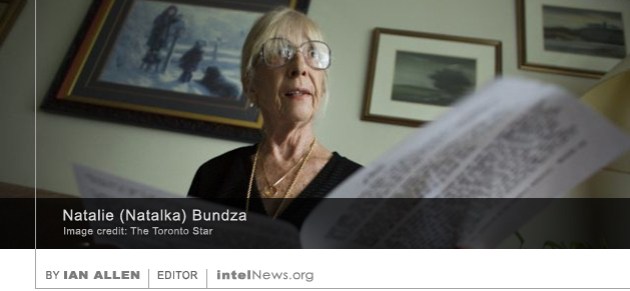 A set of declassified intelligence documents from the 1950s and 1960s offer a glimpse into the secret war fought in Canada between American and Soviet spy agencies at the height of the Cold War. The documents were authored by the United States Central Intelligence Agency and declassified following a Freedom of Information Act request filed on behalf of the Canadian newspaper The Toronto Star.
 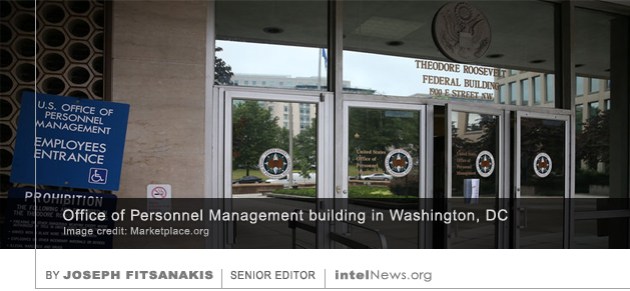 United States intelligence officials expressed concerns about a federal database containing details of security-clearance applications in the years prior to a massive cyber hacking incident that led to the theft of millions of personnel records. Up to
 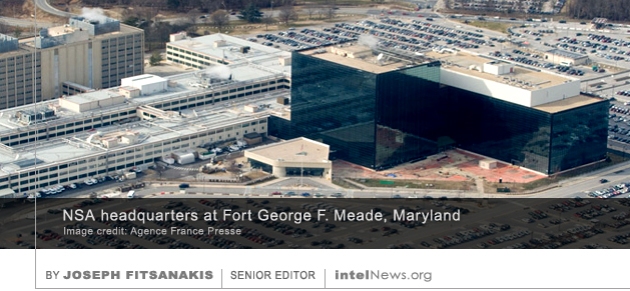 New information published by international whistleblower website WikiLeaks seems to suggest that the United States National Security Agency (NSA) collected information on export contracts by French companies and sought inside information on France’s position in international trade negotiations. According to the website, which
 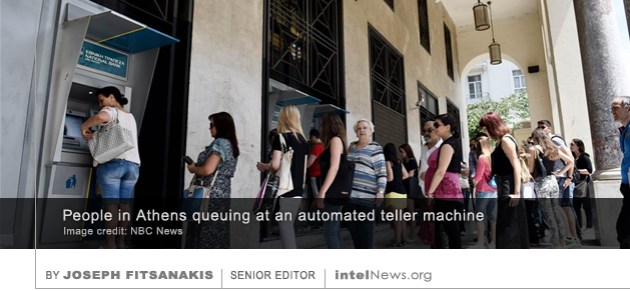 Several Western countries issued travel warnings for Greece on Sunday, as the Greek government shut down all banks and imposed capital controls following the breakdown of talks between Athens and the European Union.
 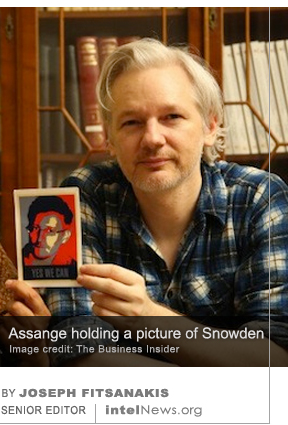 Leaders from all sides of the French political spectrum urged the French government on Thursday to offer political asylum, and even French citizenship, to the American defector Edward Snowden and to WikiLeaks founder Julian Assange. The calls were made in response to
 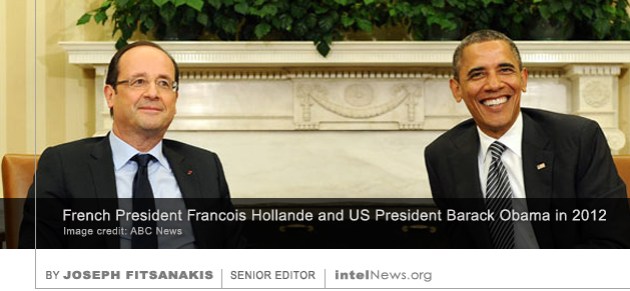 The president of France has convened an emergency meeting of the country’s highest national security forum in response to revelations that the United States spied on three French presidents. The Conseil de la Défense is to convene in Paris on Wednesday to discuss the emergence of documents that appear to implicate the US National Security Agency (NSA) in spying on Jacques Chirac and Nicolas Sarkozy, who ruled France from 1995 to 2012. The documents further indicate that the NSA may have also targeted the personal communications of Francois Hollande, France’s current head of state.






 intelNews.org
Excessive secrecy hurts intel agencies, says head of NZ spy review
July 21, 2015 by Joseph Fitsanakis Leave a comment
Last Saturday, Sir Michael spoke to TVNZ, New Zealand’s national television broadcaster, about the progress of the review, and shared some of his preliminary thoughts on the subject of intelligence practice and reform. He said in the interview that much of the documentation about intelligence processes and operations was being kept secret without apparent reason. “I’ve seen documents [from] briefings, which it would be hard to justify in my view those briefings not being made public”, he said. He added that there was “a need for the agencies to be much more open about what they do”, noting that sources and methods could be adequately protected through a careful process of redacting. The former deputy prime minister said that, ironically, the intelligence agencies are “their worst enemy by being so secretive about almost everything that they do”. Their attitude, he told TVNZ, negatively affected the level trust between them and the citizens they protect; the latter, he added, “would get a better idea of the need for the [intelligence] agencies if some of these documents were made public”.
Sir Michael also commented on New Zealand’s membership in the so-called ‘Five-Eyes’ alliance, which is part of the UKUSA intelligence-sharing treaty between it and the nations of Australia, Canada, the United Kingdom and the United States. He told TVNZ that New Zealand had to share intelligence with allied nations, because it needed access to offshore information affecting its national security, which it cannot collect by itself. Some New Zealand politicians and pundits suggested that the country should exit the treaty after it was revealed last year that the US had been making use of New Zealand embassies around the world to collect electronic signals. In April of this year, The New Zealand Herald said that the country’s embassy in Bangladesh had been made available to British and American intelligence agencies to operate out of. Wellington’s relations with Dhaka have been strained as a result.
► Author: Joseph Fitsanakis | Date: 21 July 2015 | Permalink: https://intelnews.org/2015/07/21/01-1739/
Filed under Expert news and commentary on intelligence, espionage, spies and spying Tagged with AUSCANZUKUS, government secrecy, intelligence cooperation, intelligence reform, interviews, New Zealand, News, secrecy, Sir Michael Cullen, UKUSA