News you may have missed #841 (Snowden leak analysis)
June 13, 2013 5 Comments
 By IAN ALLEN | intelNews.org |
►►US officials defend spy programs as safeguards against terror. Intelligence officials sought to convince US House lawmakers in an unusual briefing that the government’s years-long collection of phone records and Internet usage is necessary for protecting Americans —and does not trample on their privacy rights. The parade of FBI and intelligence officials who briefed the entire House on Tuesday was the latest attempt to soothe outrage over NSA programs which collect billions of Americans’ phone and Internet records.
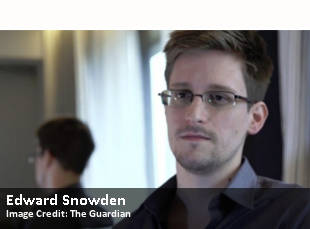
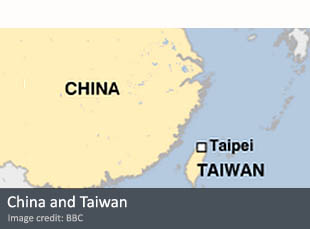
►►Some in US intelligence see Chinese behind Snowden leak. Former CIA officer Bob Baer told CNN that some US intelligence officials “are seriously looking at [the revelations made by Edward Snowden] as a potential Chinese covert action. Hong Kong is controlled by Chinese intelligence”, Baer told CNN Sunday evening. “It’s not an independent part of China at all. I’ve talked to a bunch of people in Washington today, in official positions, and they are looking at this as a potential Chinese espionage case”.
►►Leak highlights risk of outsourcing US spy work. The explosive leak uncovering America’s vast surveillance program highlights the risks Washington takes by entrusting so much of its defense and spy work to private firms, experts say. Edward Snowden, the 29-year-old man whose leak uncovered how spy agencies sift through phone records and Internet traffic, is among a legion of private contractors who make up nearly 30 percent of the workforce in intelligence agencies. From analyzing intelligence to training new spies, jobs that were once performed by government employees are now carried out by paid contractors, in a dramatic shift that began in the 1990s amid budget pressures.





 By JOSEPH FITSANAKIS | intelNews.org |










News you may have missed #842 (world reaction to Snowden leak)
June 13, 2013 by Ian Allen 3 Comments
►►Chinese media focus on Snowden leaks. The front pages of Chinese state media were covered Thursday with the allegations of ex-CIA employee Edward Snowden, who says the US government has been hacking computers in China for years. Speaking to media in Hong Kong, where he is currently staying, Snowden said the US has been hacking computers in Hong Kong and mainland China since 2009. He said targets include public officials, businesses and the Chinese University of Hong Kong. Those claims by Snowden were the top story on most of China’s major news portals on Thursday
►►Switzerland furious about Snowden’s charge that CIA spies on Swiss banks. One of the many lurid details in The Guardian’s remarkable interview with NSA whistleblower Edward Snowden was his account of what initially prompted him to leak: namely a CIA tour in Switzerland, where CIA officers recruited Swiss banking officials. The Snowden disclosure could not come at a worse time for the Swiss government, which is trying to convince parliament to back its emergency plan that would allow Swiss banks to turn over data on tax evaders to the US government.
►►Is Russia considering giving asylum to Snowden? Asked if the 29-year-old could claim asylum from Russia, a spokesman for President Vladimir Putin told the newspaper Kommersant: “If such a request is received, it will be considered”. Any attempt by the Kremlin to give refuge to Mr Snowden, amid calls for his prosecution under the US Espionage Act, is likely to infuriate the White House and provoke a major diplomatic standoff.
Filed under Expert news and commentary on intelligence, espionage, spies and spying Tagged with 0 Chinese media focus on Snowden leaks, 0 Is Russia considering giving asylum to Snowden?, 0 Switzerland furious about Snowden’s charge that CIA spies on Swiss banks, China, CIA, communications surveillance, computer hacking, economic intelligence, Edward Snowden, News, news you may have missed, NSA, political asylum, PRISM surveillance program, Russia, Switzerland, United States, whistleblowing