Did Aussies ‘burn’ Israel’s Prisoner X and was he also a British citizen?
February 18, 2013 5 Comments
 By JOSEPH FITSANAKIS | intelNews.org |
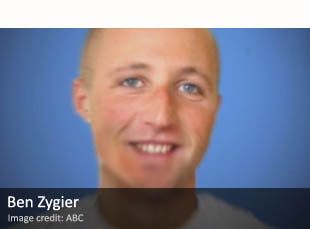
As intriguing questions continue to mount about the case of Israel’s so-called ‘Prisoner X’, the flow of verifiable information from official channels in Australia and Israel has slowed to a trickle. However, two important analyses appeared over the weekend, which could potentially place the incarceration and subsequent death of Ben Zygier under new light. One claims that the Australian-born Israeli was a low-level Mossad operative who did not commit any serious crime —let along high treason. The other suggests that Zygier might have held British citizenship, in addition to being a dual Australian and Israeli citizen, and that the British government might have been privy to the information regarding his arrest and subsequent incarceration in Israel’s Ayalon prison. In an article for Ynet, the online outlet for Israel’s high-selling newspaper Yediot Ahronot, veteran security correspondent Ron Ben-Yishai posits that Zygier was simply a “support operative” for the Mossad, adding that he “did not commit treason”. Instead, says Ben-Yishai, Zygier was probably arrested by the Israelis because they suspected he might have given, or might consider giving, information about forged Australian passports to Canberra. The Mossad decided to detain him after he told them he had been contacted by Australian journalist Jason Koutskoukis in late 2009 and asked whether he was a Mossad operative. Koutsoukis was tipped-off by Australian counterintelligence, which suspected Zygier of supplying the Mossad with Australian passports in his possession. It was the stigma of being considered a traitor by his own people that drove Zygier —a passionate Zionist— to suicide, claims Ben-Yishai. Read more of this post
 This morning I
 By JOSEPH FITSANAKIS | intelNews.org |











News you may have missed #826 (suspicious deaths edition)
March 14, 2013 4 Comments
►►Key suspect in Russian spy murder refuses to cooperate. Andrey Lugovoi, who is now an elected official in Russia, says he will not talk even by video to British investigators about the poisoning of Alexander Litvinenko in London just over six years ago. The murder of former Russian spy Alexander Litvinenko in London in 2006, has never been solved and remains the subject of conflicting narratives and still-deepening intrigue over who may have killed him and why.
►►Exhumation of Neruda’s remains set for April. A court in Chile has set April 8 as the date for the exhumation of the remains of the Nobel Prize-winning poet Pablo Neruda, as part of an inquest into his death. The poet and leftwing activist died 12 days after a military coup replaced the socialist President Salvador Allende with General Augusto Pinochet. The poet’s family maintains that he died at 69 of advanced prostate cancer. But in 2011, Chile started investigating allegations by his former driver, Manuel Araya Osorio, that the poet had been poisoned.
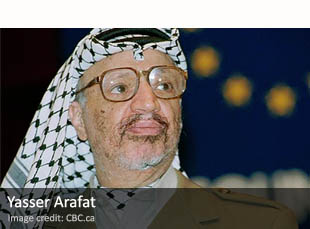
►►Venezuela to investigate Chavez murder allegations. Venezuelan officials have said they will set up an inquiry to investigate suspicions that President Hugo Chavez was “murdered by foreign agencies”. Venezuelan Oil Minister Rafael Ramirez told the BBC the United States and Israel were to blame for Chavez’s death, and that he had no doubt that Chavez’s death was an act “similar to Yasser Arafat’s“. Earlier this week, the US expelled two Venezuelan diplomats following the expulsion of two American officials from Caracas.
Filed under Expert news and commentary on intelligence, espionage, spies and spying Tagged with 0 Exhumation of Neruda's remains set for April, 0 Key suspect in Russian spy murder refuses to cooperate, 0 Venezuela to investigate Chavez murder allegations, Alexander Litvinenko, Andrey Lugovoy, assassinations, Chile, history, Hugo Chávez, Manuel Araya Osorio, News, news you may have missed, Pablo Neruda, Rafael Ramirez, Russia, suspicious deaths, UK, Venezuela