Scotland sees Nordic spy agencies as post-independence models
July 30, 2013 5 Comments
 By JOSEPH FITSANAKIS | intelNews.org |
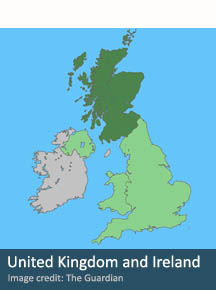
Government administrators in Scotland, which may soon become independent from the United Kingdom, are looking to possibly model their intelligence agencies after those of Scandinavian countries, according to sources. An agreement for an independence referendum, to be held in September 2014, was struck last year between the devolved Scottish Government and the British state. According to the agreement, residents of Scotland, which has been ruled by English-dominated Britain for over 700 years, will be asked whether they agree that the territory should form an independent country. In January of this year, Nicola Sturgeon, Deputy First Minister of Scotland, told the Scottish Parliament’s Committee on Foreign Affairs that an independent Scotland would have to build a domestic intelligence agency to combat security threats such as terrorism, organized crime and cyber attacks. Sturgeon, who is also Deputy Leader of the pro-independence Scottish National Party, opined that, even though a Scottish intelligence agency would serve the interests of the Scottish government and people, it would inevitably maintain “very close intelligence sharing with the rest of the UK”. But Committee members opposed to independence warned Sturgeon that Scottish intelligence agencies would have to prove that they were reliable and safe before they struck intelligence-sharing arrangements with British and American organizations. It appears that, in response to such criticisms, Scottish civil servants have initiated contacts with intelligence experts abroad, in an attempt to replicate the intelligence-agency model of Nordic countries. Read more of this post
















 intelNews.org
Norway probes intercept equipment found near PM’s home
December 16, 2014 by Joseph Fitsanakis Leave a comment
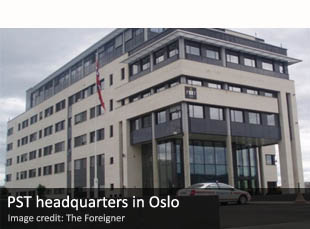
Authorities in Norway are probing a possible espionage operation by a foreign intelligence agency, following the discovery of several electronic surveillance devices located near government buildings in downtown Oslo. The presence of the devices was revealed on December 12 in a leading article by Norwegian daily newspaper Aftenposten, which published the findings of what it said was a two-month technical investigation into the matter. The paper said its reporters teamed up with two leading companies specializing technical surveillance countermeasures. According to the article, investigators came up with a network of surveillance devices disguised to look like cell phone base stations, known as transceivers. But the devices were actually International Mobile Subscriber Identity (IMSI) catchers, essentially fake cell phone towers that are often used clandestinely to intercept telephone traffic among users, as well as their movements. Aftenposten said that the devices, whose unauthorized use is illegal in Norway, had been placed outside the official residence and office of the prime minister, outside the houses of parliament, as well as near major banks and corporate headquarters. IMSI catchers cannot access the content of cellular communications, as most providers encrypt them nowadays; but they can record the telephone numbers of users, as well as pen-register data —namely who calls whom, when, for how long, etc. Additionally, if those behind the surveillance knew the telephone numbers of targeted subscribers, they could keep track of their physical movements through their phone’s GPS system, and identify who they contact on their cellular devices. The newspaper said the surveillance devices were almost certainly installed to monitor the activities of senior Norwegian government officials, as well as perhaps senior executives of companies headquartered in the Norwegian capital. On Monday, Norway’s National Security Authority (NSM) said it thought Aftenposten’s claims were probably correct. NSM Director Kjetil Nilsen said the main question was now who was behind the installations. Norwegian Police Security Service (PST) spokeswoman Siv Alsen told reporters on Monday that “the possibility that this is coming from foreign state agencies” could not be dismissed. She added that the PST would now proceed to probe whether the surveillance network was the work of foreign spies or organized criminal networks. Norway, a founding member of the North Atlantic Treaty Organization, is traditionally seen as an ally of the United States and has seen its relations with Russia and China strained in recent years.
Filed under Expert news and commentary on intelligence, espionage, spies and spying Tagged with cellular telephony, IMSI catchers, Kjetil Nilsen, News, Norway, NSM (Norway), Oslo (Norway), PST (Norway), Siv Alsen, wireless communications interception